
Recover Disappeared Activists
January 9, 2017 § 4 Comments
***PLEASE SIGN THIS STATEMENT HERE.***

Famed Pakistani Poet, Academic, and Left Activist Disappeared
Critical Activists Disappeared
#RecoverSalmanHaider | #RecoverAllActivists
Famed Pakistani poet, academic, and Left activist Salman Haider has gone missing since last Friday. As of now, we have little credible information but we believe that Salman was abducted due to his political views and writings. Salman has been a staunch champion of the oppressed and working class peoples of Pakistan, and uses his witty prose and incisive verses to challenge and mock all forms of oppression in Pakistan.
He is not alone. Within hours of his abduction, news of other activists disappearing has emerged–Waqas Goraya, Aasim Saeed, and Ahmed Raza Naseer have gone missing.
We demand that the Pakistani state apparatus–its military, intelligence agencies, and civilian institutions–act promptly to ensure the safe recovery of all activists.
We call on scholars, playwrights, poets, writers, activists, artists from around the world to join hands to call for immediate action to find and recover Salman Haider, Waqas Goraya, Aasim Saeed, and Ahmed Raza Naseer. We ask for show of solidarity and support for those fighting for a just, equal, and free Pakistan.
ABOUT SALMAN HAIDER
Salman Haider disappeared on his way home from a theatre group meeting late Friday evening. He left his friends at around 8pm, but did not respond when his wife called around 10pm to ask about his whereabouts. Soon after, she received a text message from his phone asking her to pick up his car at Koral Chowk near Bani Gala. The text said that he had work to do, and that he would return home later. He has yet to return.
We are deeply concerned about the safety and well-being of Salman Haider. He is a father, husband, brother, son, friend and comrade to many. He teaches Gender Studies at the Fatimah Jinnah Women’s University, and has written, directed, and acted in plays performed in Pakistan and abroad with Theater Wallay. He is a member of the left-wing socialist Awami Workers Party. He is vocal in opposing extrajudicial disappearances, killings, sectarian violence, and socio-economic injustice. And he edits the online magazine Tanqeed and pens an Urdu blog.
Salman is most famous for his political satire and poetry, penning many popular poems that are widely known in Pakistan. His famous poem, Kafir Kafir (Infidel Infidel) mocks Islamist clerics who use the excuse of religion to declare festive joys, dancing, music, and diverse religious expressions as infidelities. His poems Chalo Badlein has been composed into a popular left anthem, and verses from other poems have become popular protest slogans. In a recent poem, written when another activist was disappeared, Salman anticipated his own disappearance:
Right now the friends of my friends are being disappeared
Soon it will be my friends’ turn
And then mine …
Aware of these risks, Salman never failed to raise his voice against injustice. From street protests in Pakistan to music videos, from theatre performances to the classroom, from blogs, newspapers and magazines to the lives of his friends, comrades and colleagues, Salman enriches Pakistan’s literary, political, artistic and educational worlds.
We all are indebted to his pen, his creativity, and his fearlessness. We need Salman Haider, Waqas Goraya, Aasim Saeed, and Ahmed Raza Naseer, and others to keep raising their voice for truth and against injustices. For this, we owe it to them and to ourselves to not rest until they are returned.
#RecoverSalmanHaider
#RecoverAllActivists
Signed:
1 Madiha Tahir, Tanqeed & Columbia University
2 Rose Mishaan, Attorney at Law
3 Furhan Hussain
4 Rabia Mehmood, Journalist, Researcher
5 Salman Hussain, University of Michigan
6 Wajahat Abbas Kazmi
7 Sobia Kapafia
8 Farhad Mirza
9 Tooba Syed, Awami Workers Party, The feminist collective
10 Josh Whitford, Columbia University
11 Mehreen Kasana, Tanqeed
12 Mohammad Siam
13 Em Gee
14 Sarah Eleazar, Awami Workers Party
15 Syeda Saman Naz , Pennsylvania State University
16 Ammar Rashid, Awami Workers Party
17 fahad
18 Imran Khan
19 Ali Irtaqa
20 Natalya Naqvi, University of Oxford
21 Usman Mohammed
22 Ghazah Abbasi
23 Ahsan Kamal, Awami Workers Party; Quaid-i-Azam University
24 Rubia Abrar
25 Mara Ahmed, Neelum Films
26 Ali Raza, LUMS
27 Ali Nobil Ahmad, Zentrum Moderner Orient, Berlin
28 Tara Suri
29 Justin Helepololei, University of Massachusetts Amherst
30 Rab Nawaz, Civil Society
31 Mehlab Jameel, Researcher, Activist
32 Ahmad Gull Liaqat, Brother of Ahmad Waqass Goraya
33 Meera Ghani , Climate scientist and feminist
34 Fatima Zahra Hassan , Self Employed
35 Paula Chakravartty, Associate Professor, NYU
36 Maryam Khawaja, University of Toronto
37 Beth Kasner
38 Noor Mir, Human rights activist, Washington, D.C
39 AIYSHA MALIK, Student
40 Kabeer Dawani
41 Khadijah Bilal, Medical student
42 Nurjehan Mawaz-Khan, Awami Workers Party, Architect
43 Zohra Ahmed, Legal Aid Society, NYC
44 Sohaib bodla, Freelance
45 Ajay Bhardwaj, Independent Documentary Filmmaker
46 Waqas Butt, University of California, San Diego
47 Ali Malik, York University
48 Alexis Stern
49 Natalie Green
50 Khalid Qureshi , Peace Activists
51 Azmat Ara
52 Cortney Busch
53 Amra Jamal Ahmad
54 Deborah May
55 Daniel Madden Crawford
56 Cayce Utley
57 Masoora Ali, Pakistani
58 Atif Sheikh
59 Amna khan
60 Arsalan Khan, Union College
61 Emmanuel Cairo
62 Humza Aasim Yusuf, Pakistan
63 Shabana Mir, American Islamic College
64 Patrick Delsoin
65 Ayyaz Mallick, Student
66 Riffat Haque, Colleague
67 Susan Murray
68 Shaun Harkin, People Before Profit, Ireland
69 zaheer ahmed, student
70 Rosemary Mattingley
71 Ammar Khalid, Johns Hopkins SAIS
72 Madah Fatima, Democratic Students Alliance
73 SadafHamid, Teacher
74 sewda salimi
75 Sherry Wolf, International Socialist Organization
76 Fareha
77 Zain Khan
78 Maqsood Asi, Norway
79 Fsahat Ul Hassan
80 Tyler Schuenemann, UMass Amherst
81 Nate Baldo
82 Amanda Hamilton, PhD Dept. SALC, University of Chicago
83 Jane Donnelly, Atheist Ireland
84 Maham Hashmi
85 Zahra Dhanerawala
86 Amna Mawaz Khan
87 Mehr Un Nisa
88 Maham Hashmi
89 Zahra Dhanerawala
90 Amna Mawaz Khan
91 Mehr Un Nisa
92 Elizabeth Whitford
93 Tara Weinberg, South African, signing in solidarity with friends and comrades
94 Tariq Rahman, University of California, Irvine
95 Zakia Khwaja, USA
96 Junaid Ahmad
97 Charles W. Grau, Esq.
98 Sarah Khan
99 maliha haider, humanity
100 Leslie Akst
101 Ammar belal
102 Maria Rashid , SOAS
103 ESSA ALI, Zhejiang university china
104 Sidra Qasim, Business Woman
105 Manzoor Cheema, Muslims for Social Justice
106 Maria Amir, Lahore University of Management Sciences
107 Amal Sadozai
108 Saulat Qadri
109 Naveed khan
110 Haya Fatimah, University of South Florida
111 Sophia Slote
112 Johannah Black, York University
113 Najda khawaja
114 Zülal Dilli, Journalist
115 Ayça Çubukçu, London School of Economics and Political Science
116 Nauroz khan, Progressive student politics
117 Nicole Berland, UNC
118 Mahmood Malik , Pakistan
119 gloria osborne
120 Gregory Pekar, Actor from LA
121 Lynn Elizabeth Whitford, Artist
122 Jasmine Heiss
123 Nadeem Ahmad, Islamabad
124 Maria Amir, Lahore University of Management Sciences
125 Muhammad babar, Left political worker
126 Kathryn Montalbano, Neumann University
127 Sally Eberhardt
128 Sumbal Naqi, Lawyer
129 Shmyla Khan,
130 Umer Guddu, AWP Pakpattan, Sanjh Lok Raj
131 Hadi Hussain, Social Researcher
132 Faiz Younas, University of the Punjab
133 Ghazal Asif
134 Travis Mushett, Blunderbuss Magazine
135 Robert Ronan, CUNY Graduate Center
136 Ali Shahrukh Pracha, –
137 Shaheryar Mirza, Deputy Editor, TRT World
138 Fareeha Zia
139 Mehvish Shafiq
140 zahra shah, a citizen in a free country!
141 Simón Adinia Hanukai, Kaimera Productions
142 Zoya Rehman
143 Madiha Latif, Civil Society
144 Natasha Ansari, Researcher
145 Sasha Ali, Miss Modular Radio
146 Jonah Bossewitch, Mental Health Association
147 Urooj Chandani, Teachers College, Columbia University
148 Chelsey Pennyamon, student
149 Neepa Majumdar, University of Pittsburgh
150 Hira Azmat, That Feminist Collective
151 Hasrat turi, AWP Street theatre group performer and sallu bhai pupil
152 Heba Z Islam, Teacher
153 Saad Khan, film director
154 Saad Khan
155 Ali. Mehdi Zaidi , LUMS
156 Ammar Khalid, Teacher, Actor at Theatre Wallay
157 Ammar Khalid , Teacher; Director, Actor at Theatre Wallay
158 Saadia Toor, City University of New York
159 M.E. , New York university
160 Jessica Martin
161 Mahvish Ahmad, Tanqeed, Awami Workers Party, Cambridge
162 Maryam Hussain, Former Associate Professor NCA
163 Asha Bedar
164 Saliha Ramay, Development Worker
165 Deborah Kory, Psychologist
166 Amna Chaudhry
167 Maryam Hussain, Former Associate Professor NCA
168 Mustafa Khan
169 Nusrat Sohail , Educator
170 Azfar Sulaiman
171 Maryam Hussain, Former Associate Professor NCA
172 Nusrat Hussain, Awami Workers Party
173 Faza Merajdin
174 Adaner Usmani, New York University
175 Amina Haque
176 Abdullah Qureshi, Artist
177 Zehra Naqvi
178 Maliha Chishti , Citizen (student)
179 Anneke Swinehart, Oakland, CA USA
180 Neelam Hussain, Women’s Action Forum
181 Nadia Assaf
182 Aliya Shami , None
183 Alea Rizvi
184 Safieh Shah, doctor, researcher
185 Ahmad Durrani
186 Aisha Amir Ahmed, Feminist Collective
187 Zehra Naqvi
188 Zehra Naqvi
189 Zehra Naqvi
190 Shazia Ahmad
191 Tariq Khan, Department of History, University of Illinois at Champaign Urbana
192 Asma Kazmi, UC Berkeley
193 Awais Qarni, Asian Marxist Review
194 Nadir El-Edroos
195 naila fatima dogar, a fellow Pakistan.
196 Aslam Khwaja
197 Namra Gilani
198 Ammar Khalid , Teacher; Director Theatre Wallay
199 Musab Waqar
200 Hammad Raza, AWP
201 Aimen Bucha, Awami Workers Party
202 Tabish Habib , Piphany Productions
203 Nadine Zubair, Pakistani
204 Chowdhury Rashaad Shabab, University of Sussex
205 Hammad Raza, AWP
206 Mohan Ambikaipaker, Tulane University, New Orleans, USA
207 Hira Choudhry
208 Khadija bakhtiar
209 Adeel Shaharyar
210 Sanaa Alimia, ZMO, Berlin
211 Zeeshan Hayat , Lahore University of Management Sciences
212 Mesha Saeed, I believe in justice to be seved.
213 Ali Shazif
214 Taiba Khan
215 zia, humanity
216 Sana Hanif, Student-Fatima Jinnah Women University
217 Muhammad babar, Left political worker
218 Nusrat Sheikh, Media Development, Berlin
219 Rawal Khan, Student
220 Clare van Balen, None
221 Neha Mufti, Artist
222 Hina Azfar
223 Mehreen Mustafa, Human
224 Tahmina Rashid, None
225 Alea Rizvi
226 Amna Sohail
227 Andleeb Haider, #bringbackouractivists
228 Sanober Nazir
229 Anna Sohail
230 Yen pham
231 Shazia khan
232 Shazia Khan
233 Hina Azfar
234 Kamal Jumblat , Awami worker’s party larkana
235 Teresa Basillo
236 advocate Mir Lashari, sindh Youth Congress
237 Ayesha Omer, New York University
238 raheem ul haque, fc college
239 Ayesha Saeed, Forman Christian College
240 Patricia Tehan
241 Rehan Hussain
242 rupal oza
243 Arun Kundnani, New York University
244 Robin Aura Kanegis, American Friends Service Committee
245 Jalila ali, Educator
246 Faryal Shahid, University of Karachi
247 Faiza naqvi, follower
248 Joseph Shahadi, New York University
249 Muneeb Ur Rehman, Laal
250 Jack Spula, independent journalist
251 Arham
252 Sumbal, Recover them all
253 Pierre Bocquillon, University of East Anglia, UK
254 Amtul Shafi Malik
255 Jaqueline Berumen, Awami Workers Party
256 Hira Nabi
257 Ch Faud Ahmad Bhatti, university of sargodha
258 Rehman Laghari, human
259 Josselyn Atahualpa, Queens Neighborhoods United
260 Athena Wisotsky
261 Kashaf Asim, None
262 Chelsea Wait
263 Sameeh Cheema
264 Sonia Verjovsky
265 Sadhbh Goodhue
266 Nilofar Saleem, No affiliation
267 Maryam Nazir Kiani
268 Meera Afzal, Pakistan
269 S. Mehreen Shahzad
270 Zahra Malkani
271 Zenab Tariq
272 Sara Breidy
273 S Shirazi, Cornell University
274 Amal Aslam
275 Saadat Munir, Friend
276 Abeera Kamran
277 Bertha Camacho, Independent
278 Umbreen Butt , Documentary Filmmaker
279 Melanie Bush
280 Trisha R., UNC Chapel Hill
281 Frances Gallart Marques
282 Christina Stephens, UNC-Chapel Hill
283 Eissa Saeed
284 Minh-Ha T. Pham, Pratt Institue
285 Fizzah Sajjad,
286 Ulya Ehsen
287 Briana Mohan
288 Pia Ahmed, Satrang
289 Amina Shareef, University of Cambridge
290 Waqas malik
291 Francisco Montero
292 Bushra Dilawar
293 Erfaa Ehsen
294 Seda Gurses, Princeton University
295 Hamzah Saif, George Washington University
296 Feza Arslan
297 Bernadette Baker, NYSNA
298 Rehmeen Naseer
299 Mohd Saleem, None
300 Serena Khan , Ashkal Alwan
301 Khalid Ahmad, AMA UK
302 Waseem Yaqoob, University of Cambridge
303 Wasif ahmed bhatti
304 Sonia R., Psychiatric Social Worker
305 Shahid Qazi, None
306 Arif Azad
307 Sarah Waheed
308 Soha Irani
309 Hiba Ali, Theatre Wallay
310 Qudratullah farooq
311 A Adnan, Human being
312 Sajjad Haider, journalist
313 Ayesha Khan
314 Daniel Hale
315 Samia Shafi
316 Maryam Hussain , Pre- Law Undergraduate Studies, University of Washington
317 Rebecca Berner
318 Nilanjana Bhattacharjya , Arizona State University
319 Shabnam Hussain
320 abdul qadir, Development sector, Washington DC
321 Sahar Shafqat, St. Mary’s College of Maryland
322 Madyha Leghari
323 Kori Woodard
324 Fiza Salim
325 zara khadeeja majoka
326 Harshita Singh
327 Raja Swamy, University of Tennessee
328 Reem Khurshid
329 Mehreen Khokhar, Dentist and a human
330 Shahbaz Sandhu, Bond University
331 Daniel Howe, School Of Creative Media HK
332 James Munir Perry, Islam
333 Mehran Wazir, Independent Researcher
334 Hussain Zia Amjad
335 Cecile Menard
336 Zahra anum
337 Rafia Asim, Human Rights Commissionif Pakistan
338 M4met
339 Sabira Qureshi, Independent Consultant
340 Rehana Shaheen
341 Megan Stewart Thorndike
342 Christopher Miles, Indiana University
343 Julian Green, AMnesty International
344 Hector Agredano, PhD Candidate, Graduate Center CUNY
345 Hasan Kazmi
346 Justin Akers Chacon, Coalition for Labor and Community Solidarity – San Diego
347 Alyx Kim-Yohn
348 Yaminay Nasir Chaudhri
349 Natasha Malik, Artist
350 Robert Brown,
351 Zehra Hashmi, University of Michigan
352 Secil Binboga, University of Michigan
353 Hajra Haider, Tentative Collective
354 Zainab Ali, Fellow human being
355 Ahmed Ansari, Carnegie Mellon University
356 Aron Sandell, University of Oslo
357 Michael Edgecombe
358 Numair A. Abbasi, Artist
359 Omar Kasmani, Free University of Berlin
360 Shiri Shalmy, Antiuniversity Now, London
361 Qais Iqbal, Tufts University
362 Zahid Chaudhary, Princeton U
363 Samuel Lang Budin
364 Dushka H Saiyid
365 Ana Gabriela Rodriguez
366 sardar hussain
367 Saadia Mirza, University of Chicago
368 Wayne Heimbach , Amnesty International, Group 50
369 Ian Jordan , Retired lecturer, Sydney
370 Sarah Kazmi
371 Muhammed Malik, Former Executive Director of Council on American Islamic Relations (South Florida) and FL State Delegate to the Green Party’s International Affairs Committee
372 Maha Malik, Teacher
373 Dr. Stephen Oren, n/a
374 Elishma, Musician
375 Qalandar Bux Memon, University of London
376 Rubina Malkani
377 Preh Memon
378 Sarthak Tomar, RGPV, Bhopal, India
379 Sahar Haq
380 Shaheryar, Citizen
381 Ann Siegel, Group 50 Amnesty Int’l
382 Gaurav Jashnani, City University of New York; Challenging Male Supremacy Project
383 Sher Aman Khan, Awami Workers Party District Bannu
384 Faieza desai
385 Sidra Kamran
386 Sofia Farah V., UNC Graduate Student
387 Farhan Nawaz Sheikh, Lahore University of Management Sciences
388 Margherita Andreotti, Amnesty International member
389 Dan Drennan, Amnesty International Group 50
390 Paul Wolf, Northwestern University
391 Afshan Khoja, USA
392 John Dalessi, Artist
393 Mario F. Venegas, Amnesty International-USA, Group 50, Evanston, IL
394 Tariq Siddiqui, Human Rights Activist, Amnesty International/USA/GP50
395 Jacqueline Wilk
396 Nur, Journalist
397 Simrah Freeha Shaukat, Ehsaas Foundation
398 Sabira Qureshi, Independent Consultant
399 Talat Aslam
400 Haadia Mir, None
401 Lucia Stavig, UNC Chapel Hill
402 Amanullah Kariapper, Baba Jan & Faisalabad LQM workers
403 mahindar, fan
404 Annalisa
405 Faiz Ullah, Social activist
406 Rukhsana Ahmad, Writer
407 Ali Arqam, Newsline
408 Cindy Zahnd
409 Asim Shah – London, Paksitan Solidarity Camping
410 Somak Paul
411 Sain Noora, Humanity
412 John Cronan Jr, Organization for a Free Society
413 Safeer U KHan, None
414 Fauzia Rafique, Independent
415 Sana Shahid, Patriotic Shehri
416 Radha Shah
417 Min Jan, Lawyer
418 dr saad bin nizakat
419 Zeeshan Syed, Kafir
420 Taimur Aman, Michigan State University
421 Noam Chomsky, MIT
422 Muzzammil Mukhtar, Lawyer
423 Riaz ul Hassan, Journalist
424 Pedro Sanches, Researcher in Stockholm
425 Huma Batool, Vantage Pharmaceutical
426 Imran Bukhari, Quaid-i-Azam University, Islamabad
427 Jawad Ahmed Paras, Disappearce is not acceptable
428 Sehyr Mirza, Journalist
429 bushra hassan, International Islamic University Islamabad
430 Rayna Sadia, Student
431 marianazia
432 Aleen Murtaza
433 Petronella Sundström
434 Syed Shakir Ali, Pakistan Workers Party
435 Shahla Tabassum, Fatima Jinnah Women University
436 Salahudin Safdar
437 Khedija Suhail
438 Clément Mouhot, University of Cambridge
439 ameer malik, pakistani
440 Obaid Hassan Gondal, Lawyer
441 Ahmed Fasih
442 qaisar abbas, citizen
443 Ali Aman
444 Lola Seaton
445 john lewis, the govt should try thier best for these missing persons
446 Riaz ul Hassan, Journalist
447 Pedro Sanches, Researcher in Stockholm
448 Huma Batool, Vantage Pharmaceutical
449 Imran Bukhari, Quaid-i-Azam University, Islamabad
450 Jawad Ahmed Paras , Disappearce is not acceptable
451 Sehyr Mirza , Journalist
452 bushra hassan, International Islamic University Islamabad
453 Rayna Sadia, Student
454 marianazia
455 Aleen Murtaza
456 Petronella Sundström
457 Syed Shakir Ali, Pakistan Workers Party
458 Shahla Tabassum, Fatima Jinnah Women University
459 Salahudin Safdar
460 Khedija Suhail
461 Clément Mouhot, University of Cambridge
462 ameer malik, pakistani
463 Obaid Hassan Gondal, Lawyer
464 Ahmed Fasih
465 qaisar abbas, citizen
466 Ali Aman
467 Lola Seaton
468 john lewis, the govt should try thier best for these missing persons
469 Athar Saeed, Hospital Doctor
470 Sarah Eleazar, Awami Workers Party
471 Syed Sohaib, Bhar M Jao 😛
472 Nabiha Meher Shaikh, Women’s Action Forum, Lahore
473 Rizwan Cheema , Pakistan
474 Tamkinet Karim, None
475 Ebad Hassan Pasha
476 Syed Musa Kazim, Student
477 Abid Iqbal
478 Ramish Fatima
479 Maham Hameed, Koc University
480 Faraz Haider, Journalist
481 Gigi Zaunere, Works in psychiatry in USA. Humanitarian, progressive
482 Shayan R
483 Muhammad Ali Khan, Humanist
484 Rehan Mazhar, Concerned citizen of Pakistan
485 Muhammad Ram Singh
486 Beena Sarwar, Princeton University
487 Sajjad Anwar Mansoori , CreativeClix Advertising
488 Nida Kirmani, Lahore university of management sciences
489 Mustafa Kidwai, IT professional
490 Shahzad Ahmad, Digital Rights Activist
491 David Bergman
492 Annie Zaman
493 Rezaur Rahman Lenin, Law Life Culture
494 Sara syeda , Concerned Pakistani
495 Bilal Farooqi, Journalist, The News International
496 Rhonda gossen , International development consultant and writer
497 Mona Kazim Shah, Journalist, Human Rights Activist
***
ترقی پسند کارکنوں کو بازیاب کروایا جائے
January 9, 2017 § Leave a comment
اگر آپ اس بیان سے متفق ہیں تو ادھر دستخط کریں۔
ممتاز پاکستانی شاعر ، استاد اور سرگرم ترقی پسند کارکن سلمان حیدر جمعہ ۷ جنوری سے لاپتہ ہیں۔ غیر مصدقہ اطلاعات کے مطابق انہیں اپنی تحریروں اور سیاسی خیالات کی بنا پر اغوا کیا گیا ہے۔ سلمان نےہمیشہ مظلوم اور پسے ہوئے طبقات کے لئے زور دار آواز بلند کی ہے ۔ دل موہ لینے والی شاعری اور کاٹ دار طنز کے ذریعے وہ ہر طرح کی ظلم اور زیادتی کو للکارتے رہے ہیں۔
سلمان اکیلے ہی لاپتہ نہیں ہوئے۔ ان کے اغوا کے چند گھنٹوں بعد ہی تین دوسرے سماجی کارکنان، وقاص گورائیہ، عاصم سعید اور احمد رضا کی گمشدگی کی خبریں آنا شروع ہو گئی تھیں۔
ہم پاکستان کی ریاستی مشینری، اسکی فوج، سول و خفیہ اداروں سے مطالبہ کرتے ہیں کہ وہ ان سماجی کارکنوں کی بحفاظت گھر واپسی کو یقینی بنائیں۔
ہمیں دنیا بھر کے دانشوروں، ادیبوں، شاعروں ، سماجی کارکنوں اور فنکاروں سے، سلمان حیدر، وقاص گورائیہ، احمد رضا اور عاصم سعید کی فوری بازیابی میں تعاون درکار ہے ۔ آئیے ایک پرامن ، منصفانہ اور آزاد پاکستان کی جدوجہد کرنے والوں کا ساتھ دیجیئے۔ ان کے ساتھ یکجہتی کا اظہار کیجئے۔
سلمان حیدر کون ہیں؟
سلمان حیدر ایک تھیٹر میٹنگ سے گھر واپسی پر گمشدہ ہوئے۔ وہ اپنے دوستوں کے ہاں سے رات آٹھ بجے نکلے تھے۔ دس کے قریب جب انکی اہلیہ نے انہیں فون کرنے کی کوشش کی تو انسے رابطہ ممکن نہیں ہو سکا۔ تھوڑی دیر بعد انہیں سلمان کے فون سے ایک مسیج موصول ہوا کہ وہ سلمان کی گاڑی کورال چوک سے لے لیں۔ پیغام میں یہ بھی کہا گیا تھا کہ سلمان کو کام ہے اور وہ دیر سے گھر لوٹیں گے۔ اس وقت سے سلمان کا کوئی اتا پتا نہیں ہے اور نہ وہ گھر واپس آئے ہیں۔
ہمیں سلمان کی سلامتی کے بارے میں شدید خطرات لاحق ہیں۔ وہ ایک شفیق باپ ، شوہر ، بیٹا، دوست ہونے کا ساتھ ساتھ بےشمار لوگوں کے رفیق بھی ہیں۔ وہ فاطمہ جناح یونیورسٹی میں صنفیات کا مضمون پڑھاتے ہیں ۔ اندرون و بیرون ملک ’تھیٹر والے‘ گروپ کے ہمراہ کئی ایک ڈراموں میں بطور لکھاری، ہدایت کار اور اداکار اپنی صلاحیتوں کا لوہا منوا چکے ہیں۔ وہ بائیں بازو کی سیاسی جماعت عوامی ورکرز پارٹی کے رکن ہیں۔ سلمان ماوارئے عدالت گمشدگیوں، قتل، فرقہ وارانہ تشدد ، معاشی اور سماجی ناانصافیوں کے خلاف بلا تفریق آواز اٹھاتے رہے ہیں۔ وہ آن لائن میگزین ’تنقید‘ کے اڈیٹر ہیں اور ایک سلسلہ وار بلاگ کے مصنف بھی۔
سلمان اپنے سیاسی طنز اور شاعری کے لئے زیادہ مشہور ہیں۔ انکی کئی نظموں کو پاکستان میں مقبولیت حاصل ہوئی ہے۔ ان کی مشہور نظم ’کافر کافر‘ ان مذہبی انتہا پسندوں کا منہ چڑاتی ہے جو مذہب کی آڑ میں ، تہواروں، موسیقی ، رقص اور مختلف رسومات کو کافر انہ قرار دینے پر تلے رہتے ہیں۔ انکی نظم ’چلو بدلیں‘ پر بائیں بازو کا ایک مقبول ترانہ کمپوز کیا گیا۔ انکے کئی اشعار زبان زد عام نعروں میں ڈھالے گئے۔ حال ہی میں ایک اور سماجی کارکن کی گمشدگی پر سلمان نے اپنے لاپتہ ہونے کی بدشگونی کا اظہار ان لفظوں میں کیا تھا۔
ابھی میرے دوستوں کے دوست لاپتہ ہو رہے ہیں
پھر میرے دوستوں کی باری ہے
اور اس کے بعد میں۔۔۔
ان خطرات کا ادراک ہونے کے باوجود سلمان حیدر نے ظلم وجبر کے خلاف آواز بلند کرنے میں کسی مصلحت کا سہارا نہیں لیا۔ پاکستان میں سڑکوں پر احتجاج سے موسیقی کی ویڈوز تک، تھیٹر سے لیکر کلاس روم تک، اخباروں، رسائل اور بلاگ لکھنے سے لیکر اپنے دوستوں و رفیقوں کی زندگی میں رنگ بکھیرنے تک سلمان نے پاکستان کے ادبی، سیاسی، تعلیمی اور ثقافتی منظر نامے کو اپنی روشنی سے منور کیا ہے۔
ھم سب سلمان کے قلم کی کاٹ، انکی تخلیقی صلاحیتوں اور انکی جرات کو سلام پیش کرتے ہیں۔ ہمیں سلمان حیدر، وقاص گورائیہ، عاصم سعید اور احمد رضا نصیر جیسے لوگوں کی ضرورت ہے تاکہ سچ کے حق میں اور ناانصافی کے خلاف آواز اٹھتی رہے۔ اس لئے ہمارا فرض بنتا ہے کہ ان سماجی کارکنوں کی بازیابی تک چین سے نہ بیٹھیں اور اپنی جدوجہد جاری رکھیں۔
1 Madiha Tahir, Tanqeed & Columbia University
2 Rose Mishaan, Attorney at Law
3 Furhan Hussain
4 Rabia Mehmood, Journalist, Researcher
5 Salman Hussain, University of Michigan
6 Wajahat Abbas Kazmi
7 Sobia Kapafia
8 Farhad Mirza
9 Tooba Syed, Awami Workers Party, The feminist collective
10 Josh Whitford, Columbia University
11 Mehreen Kasana, Tanqeed
12 Mohammad Siam
13 Em Gee
14 Sarah Eleazar, Awami Workers Party
15 Syeda Saman Naz , Pennsylvania State University
16 Ammar Rashid, Awami Workers Party
17 fahad
18 Imran Khan
19 Ali Irtaqa
20 Natalya Naqvi, University of Oxford
21 Usman Mohammed
22 Ghazah Abbasi
23 Ahsan Kamal, Awami Workers Party; Quaid-i-Azam University
24 Rubia Abrar
25 Mara Ahmed, Neelum Films
26 Ali Raza, LUMS
27 Ali Nobil Ahmad, Zentrum Moderner Orient, Berlin
28 Tara Suri
29 Justin Helepololei, University of Massachusetts Amherst
30 Rab Nawaz, Civil Society
31 Mehlab Jameel, Researcher, Activist
32 Ahmad Gull Liaqat, Brother of Ahmad Waqass Goraya
33 Meera Ghani , Climate scientist and feminist
34 Fatima Zahra Hassan , Self Employed
35 Paula Chakravartty, Associate Professor, NYU
36 Maryam Khawaja, University of Toronto
37 Beth Kasner
38 Noor Mir, Human rights activist, Washington, D.C
39 AIYSHA MALIK, Student
40 Kabeer Dawani
41 Khadijah Bilal, Medical student
42 Nurjehan Mawaz-Khan, Awami Workers Party, Architect
43 Zohra Ahmed, Legal Aid Society, NYC
44 Sohaib bodla, Freelance
45 Ajay Bhardwaj, Independent Documentary Filmmaker
46 Waqas Butt, University of California, San Diego
47 Ali Malik, York University
48 Alexis Stern
49 Natalie Green
50 Khalid Qureshi , Peace Activists
51 Azmat Ara
52 Cortney Busch
53 Amra Jamal Ahmad
54 Deborah May
55 Daniel Madden Crawford
56 Cayce Utley
57 Masoora Ali, Pakistani
58 Atif Sheikh
59 Amna khan
60 Arsalan Khan, Union College
61 Emmanuel Cairo
62 Humza Aasim Yusuf, Pakistan
63 Shabana Mir, American Islamic College
64 Patrick Delsoin
65 Ayyaz Mallick, Student
66 Riffat Haque, Colleague
67 Susan Murray
68 Shaun Harkin, People Before Profit, Ireland
69 zaheer ahmed, student
70 Rosemary Mattingley
71 Ammar Khalid, Johns Hopkins SAIS
72 Madah Fatima, Democratic Students Alliance
73 SadafHamid, Teacher
74 sewda salimi
75 Sherry Wolf, International Socialist Organization
76 Fareha
77 Zain Khan
78 Maqsood Asi, Norway
79 Fsahat Ul Hassan
80 Tyler Schuenemann, UMass Amherst
81 Nate Baldo
82 Amanda Hamilton, PhD Dept. SALC, University of Chicago
83 Jane Donnelly, Atheist Ireland
84 Maham Hashmi
85 Zahra Dhanerawala
86 Amna Mawaz Khan
87 Mehr Un Nisa
88 Maham Hashmi
89 Zahra Dhanerawala
90 Amna Mawaz Khan
91 Mehr Un Nisa
92 Elizabeth Whitford
93 Tara Weinberg, South African, signing in solidarity with friends and comrades
94 Tariq Rahman, University of California, Irvine
95 Zakia Khwaja, USA
96 Junaid Ahmad
97 Charles W. Grau, Esq.
98 Sarah Khan
99 maliha haider, humanity
100 Leslie Akst
101 Ammar belal
102 Maria Rashid , SOAS
103 ESSA ALI, Zhejiang university china
104 Sidra Qasim, Business Woman
105 Manzoor Cheema, Muslims for Social Justice
106 Maria Amir, Lahore University of Management Sciences
107 Amal Sadozai
108 Saulat Qadri
109 Naveed khan
110 Haya Fatimah, University of South Florida
111 Sophia Slote
112 Johannah Black, York University
113 Najda khawaja
114 Zülal Dilli, Journalist
115 Ayça Çubukçu, London School of Economics and Political Science
116 Nauroz khan, Progressive student politics
117 Nicole Berland, UNC
118 Mahmood Malik , Pakistan
119 gloria osborne
120 Gregory Pekar, Actor from LA
121 Lynn Elizabeth Whitford, Artist
122 Jasmine Heiss
123 Nadeem Ahmad, Islamabad
124 Maria Amir, Lahore University of Management Sciences
125 Muhammad babar, Left political worker
126 Kathryn Montalbano, Neumann University
127 Sally Eberhardt
128 Sumbal Naqi, Lawyer
129 Shmyla Khan,
130 Umer Guddu, AWP Pakpattan, Sanjh Lok Raj
131 Hadi Hussain, Social Researcher
132 Faiz Younas, University of the Punjab
133 Ghazal Asif
134 Travis Mushett, Blunderbuss Magazine
135 Robert Ronan, CUNY Graduate Center
136 Ali Shahrukh Pracha, –
137 Shaheryar Mirza, Deputy Editor, TRT World
138 Fareeha Zia
139 Mehvish Shafiq
140 zahra shah, a citizen in a free country!
141 Simón Adinia Hanukai, Kaimera Productions
142 Zoya Rehman
143 Madiha Latif, Civil Society
144 Natasha Ansari, Researcher
145 Sasha Ali, Miss Modular Radio
146 Jonah Bossewitch, Mental Health Association
147 Urooj Chandani, Teachers College, Columbia University
148 Chelsey Pennyamon, student
149 Neepa Majumdar, University of Pittsburgh
150 Hira Azmat, That Feminist Collective
151 Hasrat turi, AWP Street theatre group performer and sallu bhai pupil
152 Heba Z Islam, Teacher
153 Saad Khan, film director
154 Saad Khan
155 Ali. Mehdi Zaidi , LUMS
156 Ammar Khalid, Teacher, Actor at Theatre Wallay
157 Ammar Khalid , Teacher; Director, Actor at Theatre Wallay
158 Saadia Toor, City University of New York
159 M.E. , New York university
160 Jessica Martin
161 Mahvish Ahmad, Tanqeed, Awami Workers Party, Cambridge
162 Maryam Hussain, Former Associate Professor NCA
163 Asha Bedar
164 Saliha Ramay, Development Worker
165 Deborah Kory, Psychologist
166 Amna Chaudhry
167 Maryam Hussain, Former Associate Professor NCA
168 Mustafa Khan
169 Nusrat Sohail , Educator
170 Azfar Sulaiman
171 Maryam Hussain, Former Associate Professor NCA
172 Nusrat Hussain, Awami Workers Party
173 Faza Merajdin
174 Adaner Usmani, New York University
175 Amina Haque
176 Abdullah Qureshi, Artist
177 Zehra Naqvi
178 Maliha Chishti , Citizen (student)
179 Anneke Swinehart, Oakland, CA USA
180 Neelam Hussain, Women’s Action Forum
181 Nadia Assaf
182 Aliya Shami , None
183 Alea Rizvi
184 Safieh Shah, doctor, researcher
185 Ahmad Durrani
186 Aisha Amir Ahmed, Feminist Collective
187 Zehra Naqvi
188 Zehra Naqvi
189 Zehra Naqvi
190 Shazia Ahmad
191 Tariq Khan, Department of History, University of Illinois at Champaign Urbana
192 Asma Kazmi, UC Berkeley
193 Awais Qarni, Asian Marxist Review
194 Nadir El-Edroos
195 naila fatima dogar, a fellow Pakistan.
196 Aslam Khwaja
197 Namra Gilani
198 Ammar Khalid , Teacher; Director Theatre Wallay
199 Musab Waqar
200 Hammad Raza, AWP
201 Aimen Bucha, Awami Workers Party
202 Tabish Habib , Piphany Productions
203 Nadine Zubair, Pakistani
204 Chowdhury Rashaad Shabab, University of Sussex
205 Hammad Raza, AWP
206 Mohan Ambikaipaker, Tulane University, New Orleans, USA
207 Hira Choudhry
208 Khadija bakhtiar
209 Adeel Shaharyar
210 Sanaa Alimia, ZMO, Berlin
211 Zeeshan Hayat , Lahore University of Management Sciences
212 Mesha Saeed, I believe in justice to be seved.
213 Ali Shazif
214 Taiba Khan
215 zia, humanity
216 Sana Hanif, Student-Fatima Jinnah Women University
217 Muhammad babar, Left political worker
218 Nusrat Sheikh, Media Development, Berlin
219 Rawal Khan, Student
220 Clare van Balen, None
221 Neha Mufti, Artist
222 Hina Azfar
223 Mehreen Mustafa, Human
224 Tahmina Rashid, None
225 Alea Rizvi
226 Amna Sohail
227 Andleeb Haider, #bringbackouractivists
228 Sanober Nazir
229 Anna Sohail
230 Yen pham
231 Shazia khan
232 Shazia Khan
233 Hina Azfar
234 Kamal Jumblat , Awami worker’s party larkana
235 Teresa Basillo
236 advocate Mir Lashari, sindh Youth Congress
237 Ayesha Omer, New York University
238 raheem ul haque, fc college
239 Ayesha Saeed, Forman Christian College
240 Patricia Tehan
241 Rehan Hussain
242 rupal oza
243 Arun Kundnani, New York University
244 Robin Aura Kanegis, American Friends Service Committee
245 Jalila ali, Educator
246 Faryal Shahid, University of Karachi
247 Faiza naqvi, follower
248 Joseph Shahadi, New York University
249 Muneeb Ur Rehman, Laal
250 Jack Spula, independent journalist
251 Arham
252 Sumbal, Recover them all
253 Pierre Bocquillon, University of East Anglia, UK
254 Amtul Shafi Malik
255 Jaqueline Berumen, Awami Workers Party
256 Hira Nabi
257 Ch Faud Ahmad Bhatti, university of sargodha
258 Rehman Laghari, human
259 Josselyn Atahualpa, Queens Neighborhoods United
260 Athena Wisotsky
261 Kashaf Asim, None
262 Chelsea Wait
263 Sameeh Cheema
264 Sonia Verjovsky
265 Sadhbh Goodhue
266 Nilofar Saleem, No affiliation
267 Maryam Nazir Kiani
268 Meera Afzal, Pakistan
269 S. Mehreen Shahzad
270 Zahra Malkani
271 Zenab Tariq
272 Sara Breidy
273 S Shirazi, Cornell University
274 Amal Aslam
275 Saadat Munir, Friend
276 Abeera Kamran
277 Bertha Camacho, Independent
278 Umbreen Butt , Documentary Filmmaker
279 Melanie Bush
280 Trisha R., UNC Chapel Hill
281 Frances Gallart Marques
282 Christina Stephens, UNC-Chapel Hill
283 Eissa Saeed
284 Minh-Ha T. Pham, Pratt Institue
285 Fizzah Sajjad,
286 Ulya Ehsen
287 Briana Mohan
288 Pia Ahmed, Satrang
289 Amina Shareef, University of Cambridge
290 Waqas malik
291 Francisco Montero
292 Bushra Dilawar
293 Erfaa Ehsen
294 Seda Gurses, Princeton University
295 Hamzah Saif, George Washington University
296 Feza Arslan
297 Bernadette Baker, NYSNA
298 Rehmeen Naseer
299 Mohd Saleem, None
300 Serena Khan , Ashkal Alwan
301 Khalid Ahmad, AMA UK
302 Waseem Yaqoob, University of Cambridge
303 Wasif ahmed bhatti
304 Sonia R., Psychiatric Social Worker
305 Shahid Qazi, None
306 Arif Azad
307 Sarah Waheed
308 Soha Irani
309 Hiba Ali, Theatre Wallay
310 Qudratullah farooq
311 A Adnan, Human being
312 Sajjad Haider, journalist
313 Ayesha Khan
314 Daniel Hale
315 Samia Shafi
316 Maryam Hussain , Pre- Law Undergraduate Studies, University of Washington
317 Rebecca Berner
318 Nilanjana Bhattacharjya , Arizona State University
319 Shabnam Hussain
320 abdul qadir, Development sector, Washington DC
321 Sahar Shafqat, St. Mary’s College of Maryland
322 Madyha Leghari
323 Kori Woodard
324 Fiza Salim
325 zara khadeeja majoka
326 Harshita Singh
327 Raja Swamy, University of Tennessee
328 Reem Khurshid
329 Mehreen Khokhar, Dentist and a human
330 Shahbaz Sandhu, Bond University
331 Daniel Howe, School Of Creative Media HK
332 James Munir Perry, Islam
333 Mehran Wazir, Independent Researcher
334 Hussain Zia Amjad
335 Cecile Menard
336 Zahra anum
337 Rafia Asim, Human Rights Commissionif Pakistan
338 M4met
339 Sabira Qureshi, Independent Consultant
340 Rehana Shaheen
341 Megan Stewart Thorndike
342 Christopher Miles, Indiana University
343 Julian Green, AMnesty International
344 Hector Agredano, PhD Candidate, Graduate Center CUNY
345 Hasan Kazmi
346 Justin Akers Chacon, Coalition for Labor and Community Solidarity – San Diego
347 Alyx Kim-Yohn
348 Yaminay Nasir Chaudhri
349 Natasha Malik, Artist
350 Robert Brown,
351 Zehra Hashmi, University of Michigan
352 Secil Binboga, University of Michigan
353 Hajra Haider, Tentative Collective
354 Zainab Ali, Fellow human being
355 Ahmed Ansari, Carnegie Mellon University
356 Aron Sandell, University of Oslo
357 Michael Edgecombe
358 Numair A. Abbasi, Artist
359 Omar Kasmani, Free University of Berlin
360 Shiri Shalmy, Antiuniversity Now, London
361 Qais Iqbal, Tufts University
362 Zahid Chaudhary, Princeton U
363 Samuel Lang Budin
364 Dushka H Saiyid
365 Ana Gabriela Rodriguez
366 sardar hussain
367 Saadia Mirza, University of Chicago
368 Wayne Heimbach , Amnesty International, Group 50
369 Ian Jordan , Retired lecturer, Sydney
370 Sarah Kazmi
371 Muhammed Malik, Former Executive Director of Council on American Islamic Relations (South Florida) and FL State Delegate to the Green Party’s International Affairs Committee
372 Maha Malik, Teacher
373 Dr. Stephen Oren, n/a
374 Elishma, Musician
375 Qalandar Bux Memon, University of London
376 Rubina Malkani
377 Preh Memon
378 Sarthak Tomar, RGPV, Bhopal, India
379 Sahar Haq
380 Shaheryar, Citizen
381 Ann Siegel, Group 50 Amnesty Int’l
382 Gaurav Jashnani, City University of New York; Challenging Male Supremacy Project
383 Sher Aman Khan, Awami Workers Party District Bannu
384 Faieza desai
385 Sidra Kamran
386 Sofia Farah V., UNC Graduate Student
387 Farhan Nawaz Sheikh, Lahore University of Management Sciences
388 Margherita Andreotti, Amnesty International member
389 Dan Drennan, Amnesty International Group 50
390 Paul Wolf, Northwestern University
391 Afshan Khoja, USA
392 John Dalessi, Artist
393 Mario F. Venegas, Amnesty International-USA, Group 50, Evanston, IL
394 Tariq Siddiqui, Human Rights Activist, Amnesty International/USA/GP50
395 Jacqueline Wilk
396 Nur, Journalist
397 Simrah Freeha Shaukat, Ehsaas Foundation
398 Sabira Qureshi, Independent Consultant
399 Talat Aslam
400 Haadia Mir, None
401 Lucia Stavig, UNC Chapel Hill
402 Amanullah Kariapper, Baba Jan & Faisalabad LQM workers
403 mahindar, fan
404 Annalisa
405 Faiz Ullah, Social activist
406 Rukhsana Ahmad, Writer
407 Ali Arqam, Newsline
408 Cindy Zahnd
409 Asim Shah – London, Paksitan Solidarity Camping
410 Somak Paul
411 Sain Noora, Humanity
412 John Cronan Jr, Organization for a Free Society
413 Safeer U KHan, None
414 Fauzia Rafique, Independent
415 Sana Shahid, Patriotic Shehri
416 Radha Shah
417 Min Jan, Lawyer
418 dr saad bin nizakat
419 Zeeshan Syed, Kafir
420 Taimur Aman, Michigan State University
421 Noam Chomsky, MIT
422 Muzzammil Mukhtar, Lawyer
423 Riaz ul Hassan, Journalist
424 Pedro Sanches, Researcher in Stockholm
425 Huma Batool, Vantage Pharmaceutical
426 Imran Bukhari, Quaid-i-Azam University, Islamabad
427 Jawad Ahmed Paras, Disappearce is not acceptable
428 Sehyr Mirza, Journalist
429 bushra hassan, International Islamic University Islamabad
430 Rayna Sadia, Student
431 marianazia
432 Aleen Murtaza
433 Petronella Sundström
434 Syed Shakir Ali, Pakistan Workers Party
435 Shahla Tabassum, Fatima Jinnah Women University
436 Salahudin Safdar
437 Khedija Suhail
438 Clément Mouhot, University of Cambridge
439 ameer malik, pakistani
440 Obaid Hassan Gondal, Lawyer
441 Ahmed Fasih
442 qaisar abbas, citizen
443 Ali Aman
444 Lola Seaton
445 john lewis, the govt should try thier best for these missing persons
446 Riaz ul Hassan , Journalist
447 Pedro Sanches, Researcher in Stockholm
448 Huma Batool, Vantage Pharmaceutical
449 Imran Bukhari, Quaid-i-Azam University, Islamabad
450 Jawad Ahmed Paras , Disappearce is not acceptable
451 Sehyr Mirza , Journalist
452 bushra hassan, International Islamic University Islamabad
453 Rayna Sadia, Student
454 marianazia
455 Aleen Murtaza
456 Petronella Sundström
457 Syed Shakir Ali, Pakistan Workers Party
458 Shahla Tabassum, Fatima Jinnah Women University
459 Salahudin Safdar
460 Khedija Suhail
461 Clément Mouhot, University of Cambridge
462 ameer malik, pakistani
463 Obaid Hassan Gondal, Lawyer
464 Ahmed Fasih
465 qaisar abbas, citizen
466 Ali Aman
467 Lola Seaton
468 john lewis, the govt should try thier best for these missing persons
469 Athar Saeed, Hospital Doctor
470 Sarah Eleazar, Awami Workers Party
471 Syed Sohaib, Bhar M Jao 😛
472 Nabiha Meher Shaikh, Women’s Action Forum, Lahore
473 Rizwan Cheema , Pakistan
474 Tamkinet Karim, None
475 Ebad Hassan Pasha
476 Syed Musa Kazim, Student
477 Abid Iqbal
478 Ramish Fatima
479 Maham Hameed, Koc University
480 Faraz Haider, Journalist
481 Gigi Zaunere, Works in psychiatry in USA. Humanitarian, progressive
482 Shayan R
483 Muhammad Ali Khan, Humanist
484 Rehan Mazhar, Concerned citizen of Pakistan
485 Muhammad Ram Singh
486 Beena Sarwar, Princeton University
487 Sajjad Anwar Mansoori , CreativeClix Advertising
488 Nida Kirmani, Lahore university of management sciences
489 Mustafa Kidwai, IT professional
490 Shahzad Ahmad, Digital Rights Activist
491 David Bergman
492 Annie Zaman
493 Rezaur Rahman Lenin, Law Life Culture
494 Sara syeda , Concerned Pakistani
495 Bilal Farooqi, Journalist, The News International
496 Rhonda gossen , International development consultant and writer
497 Mona Kazim Shah, Journalist, Human Rights Activist
***
سلمان حیدر کون ہیں؟
January 13, 2017 § Leave a comment

سلمان حیدر ایک شفیق باپ ، شوہر ، بیٹا، دوست ہونے کا ساتھ ساتھ بےشمار لوگوں کے رفیق بھی ہیں۔ وہ فاطمہ جناح یونیورسٹی میں صنفیات کا مضمون پڑھاتے ہیں ۔ اندرون و بیرون ملک ’تھیٹر والے‘ گروپ کے ہمراہ کئی ایک ڈراموں میں بطور لکھاری، ہدایت کار اور اداکار اپنی صلاحیتوں کا لوہا منوا چکے ہیں۔ وہ بائیں بازو کی سیاسی جماعت عوامی ورکرز پارٹی کے رکن ہیں۔ سلمان ماوارئے عدالت گمشدگیوں، قتل، فرقہ وارانہ تشدد ، معاشی اور سماجی ناانصافیوں کے خلاف بلا تفریق آواز اٹھاتے رہے ہیں۔ وہ آن لائن میگزین ’تنقید‘ کے اڈیٹر ہیں اور ایک سلسلہ وار بلاگ کے مصنف بھی۔
سلمان اپنے سیاسی طنز اور شاعری کے لئے زیادہ مشہور ہیں۔ انکی کئی نظموں کو پاکستان میں مقبولیت حاصل ہوئی ہے۔ ان کی مشہور نظم ’کافر کافر‘ ان مذہبی انتہا پسندوں کا منہ چڑاتی ہے جو مذہب کی آڑ میں ، تہواروں، موسیقی ، رقص اور مختلف رسومات کو کافر انہ قرار دینے پر تلے رہتے ہیں۔ انکی نظم ’چلو بدلیں‘ پر بائیں بازو کا ایک مقبول ترانہ کمپوز کیا گیا۔ انکے کئی اشعار زبان زد عام نعروں میں ڈھالے گئے۔ حال ہی میں ایک اور سماجی کارکن کی گمشدگی پر سلمان نے اپنے لاپتہ ہونے کی بدشگونی کا اظہار ان لفظوں میں کیا تھا۔
ابھی میرے دوستوں کے دوست لاپتہ ہو رہے ہیں
پھر میرے دوستوں کی باری ہے
اور اس کے بعد میں۔۔۔
ان خطرات کا ادراک ہونے کے باوجود سلمان حیدر نے ظلم وجبر کے خلاف آواز بلند کرنے میں کسی مصلحت کا سہارا نہیں لیا۔ پاکستان میں سڑکوں پر احتجاج سے موسیقی کی ویڈوز تک، تھیٹر سے لیکر کلاس روم تک، اخباروں، رسائل اور بلاگ لکھنے سے لیکر اپنے دوستوں و رفیقوں کی زندگی میں رنگ بکھیرنے تک سلمان نے پاکستان کے ادبی، سیاسی، تعلیمی اور ثقافتی منظر نامے کو اپنی روشنی سے منور کیا ہے۔
No Country for Bold Women :بیان کا ترجمہ
July 20, 2016 § 1 Comment
اگر آپ اس بیان سے متفق ہیں تو ادھر دستخط کریں۔
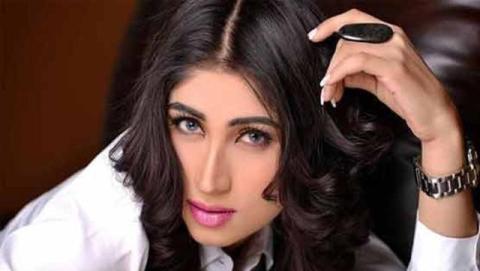
ہم (درج ذیل دستخط کنندہ) قندیل بلوچ کے اپنے بھائی وسیم بلوچ کے ہاتھوں قتل کی مذمت کرتے ہیں اورمطالبہ کرتے ہیں کہ حکومت مبینہ قاتل کو عدالت میں پیش کرے۔
قندیل، جن کا پیدائشی نام فوزیہ عظیم تھا، ایک باغی، ایک فنکارہ (آرٹیسٹ) اور حقوقِ نسواں پر بےباک گفتگو اکسانے والی ایک دلیرعورت تھی۔ سوشل میڈیا پر اپنی ,بولڈ, ,ویڈیوز,میں وہ کبھی مرد سیاست دانوں، مشہور کھلاڑیوں اور ملاوٗں کو بہلاتی پھسلاتی تو کبھی ہلکے طنز سے ان کا مزاق اڑا کراس پدرسری سماج کی منافقتوں کو بے نقاب کرتی رہی جس میں تنگ نظر، خود کو متقی اور پرہیزگار کہنے والوں کا راج ہے۔
قندیل کی موت سے ایک مہینہ قبل سوشل میڈیا پر مولانا مفتی قوی کے ساتھ لی گیٗ ,سیلفیز, ,وایٗرل,¹ ہوئیں تو پاکستانی میڈیا نے ان پر دھاوا بول دیا۔ مفتی قوی اس سے قبل ٹیلی ویژن پر پروگرام کے دوران اداکارہ وینہ ملک پر بےحیائی کا الزام لگا چکے تھے۔ قوی کے ہوٹل کے کمرے میں لی گیٗ ان تصاویر میں قندیل بلوچ نے مفتی کی ٹوپی مزاحیہ انداز میں پہن رکھی ہے۔ اب قوی اپنی نیک نامی کو بچانے کیلیٗے دوسروں پر الزام دھرنے لگے تو قندیل بلوچ نے اپنے مخصوص انداز میں جوابی حملہ کرتے ہوئے دعویٰ کیا کہ قوی ان سے محبت کرتے ہیں اور یہ کہ وہ ,مولویوں کے قندیل بلوچ, ہیں۔ اس طنز آمیز تبصرہ نے مولوی اور ان سے منسوب مذہبی اسٹیبلشمنٹ کی منافقت کو کھول کر رکھ دیا۔ قندیل بلوچ کی موت کے بعد قوی نے دھمکاتے ہوٗے اعلان کیا کہ یہ قتل ان سب عورتوں کے لیٗے سبق ہے جو مولویوں کی تحقیر کی کوشش کرتی ہیں۔
آج ہم پاکستانی میڈیا کو قندیل بلوچ کے قتل کے جرم میں شریک ٹھہراتے ہیں۔ ہم ان صحافیوں، مدیروں، ہدایت کاروں اور مالکان کو ذمہ دار ٹھہراتے ہیں کہ جنہوں نے ان کی نجی زندگی کی تفصیلات شائع کی۔ ملک میں سنگین جنسی تعصب کی صورتِ حال سے بخوبی آگاہ ہونے کے باوجود، ان کی شادی اور بچے کو خبر بنا ڈالا۔ ان کی لعنت ملامت کی اور اس طرح ان کے قتل کی راہ ہموار کی۔
ہم ان سیاست دانوں اور ,سیکیورٹی, اداروں کا احتساب چاہتے ہیں جو قندیل بلوچ کی حفاظت کرنے میں ناکام رہے — باوجود اس کے کہ قندیل نے ان سے تحفظ کی کھلے عام التجا بھی کی۔ انہوں نے وزارتِ داخلہ، ,ایف آئی اے, (FIA) اور اسلام آباد کے ,سینیٗر سپرِنٹینڈنٹ آف پولیس, (SSP) سے درخواست کی تھی مگران درخواستوں کا کسی نے کوئی نوٹس نہ لیا۔
ہم احتساب چاپتے ہیں. ہمارا مطالبہ ہے کہ ریاست اور عدلیہ اس بات کو یقینی بنائیں کہ قاتل کہیں ,خون بہا, قوانین کے ذریعے معافی نہ پا لے، کیونکہ یہ قوانین اکثر اس ملک میں کمزوروں کے خلاف استعمال ہوتے ہیں۔
علاوہ ازیں ہم دو باتوں کی وضاحت کرنا چاہیں گے:
قندیل ,کِم کارڈیشیٗن,² نہیں تھی، جیسا کہ کچھ میڈیا کے ذرائع میں بیان کیا گیا ہے۔ وہ ہماری قندیل تھی: ایک مزدور طبقہ کی عورت، ایک تیسری دنیا کی حقوقِ نسواں کی حامی، بہاوٗ کے خلاف چلنے والی ایک سرگرم انقلابی کارکن جس نے قتل کی دھمکیوں کے باوجود اپنی مرضی کرنے کی جراٗت کی۔
قندیل کو ’غیرت‘ کے نام پر نہیں مارا گیا۔ بلکہ اس کو ہماری کمزور مردانہ انا کی بھینٹ چڑھا دیا گیا ہے جو قندیل کی باغیانہ سوچ کے شعلوں کو برداشت نہ کر پائی۔ اس کو اسلیٗے قتل کیا گیا کیونکہ یہ زن بیزار معاشرہ ایک ذہریلی مردانیت کو پہلے تو پروان چڑھاتا ہے اور پھر اس کو تحفظ بھی فراہم کرتا ہے۔ قندیل کو اسلیٗے قتل کیا گیا کیونکہ پدرسری سماجی ڈھانچے مرد و عورت کے درمیان غیر مساوی تعلقات کو برقرار رکھتے ہیں — یہ سمجھتے ہوئے کہ خواتین کے خلاف ظلم و تشدد معمولی اور عام سی بات ہے، یہاں تک کہ وہ اسی کے لائق ہیں۔
اس حوالے سے، خواتین کو اقتصادی مفاد، انا یا دیگر کئی وجوہات کیلئے مارا جاسکتا ہے، اور یہ سب جائز سمجھا جاتا ہے — حتمی طور پر قتل ہونے والی خواتین کی تعداد سے شاید کسی کو سروکار نہیں ہے۔
ہم قندیل بلوچ کو 16 سالہ عنبرین کے ساتھ دفناتے ہیں جسے ایبٹ آاباد میں اِسلئے زندہ جلا دیا گیا کہ اس نے ایک سہیلی کو اپنے محبوب سے بھاگ کر شادی کرنے میں مدد کی؛ امریکی ریاست ,فلوریڈا, میں 31 سالہ ماریہ نیمیتھ کے ساتھ جِس کے آشناٗ نے اس کی آنتیں نکال دیں؛ 27 سالہ فرخندہ کے ساتھ جسے کابل میں ایک ہجوم نے پِیٹ پِیٹ کر مار دیا؛ 37 سالہ مِریم نیازیما کے ساتھ جن کے سابق عاشق، سپاہی جوزف موتکِدزا، نے انہیں 26 دفعہ خنجر گھونپ کر مارا؛ امریکی ریاست ,کیلیفورنیا, میں ,ایلیٹ روجر, نامی زن دشمن قاتل کی ہدف بننے والی متعدد خواتین کے ساتھ ۔
ہم اپنی بہن، اپنی ساتھی قندیل بلوچ کو اپنی ان ہزاروں بہنوں کے ساتھ دفناتے ہیں جنہیں زن دشمنی، پِدرسری سماجی نظام اور مردانہ عدم تحفظ کی پشت پناہی کیلئے مارا گیا ہے۔
اپنے قتل سے صرف تین دن پہلے، قندیل نے لکھا:–
عورت ہونے کے ناتے ہمیں (اپنے حقوق کیلئے) خود کھڑا ہونا ہوگا۔ عورت کی حیثیت میں ہمیں ایک دوسرے کیلئے کھڑا ہونا چاہئے۔۔۔ عورت ہوتے ہوئے ہمیں عدل کیلئے کھڑا ہونا چاہئے۔ میں سمجھتی ہوں کہ میں نئے دور کی ,فیمِنسٹ, ہوں۔ میں برابری میں یقین رکھتی ہوں۔ مجھے ضرورت نہیں ہونی چاہئے کہ میں اس کا فیصلہ کروں کہ میں کیسی عورت ہوں۔ میرا نہیں خیال کہ محض سماج کی خاطر اپنے آپ پر ,لیبل, لگانے کی کوئی ضرورت ہے۔ میں صرف ایک عورت ہوں، جس کے خیالات آزاد ہیں، ذہنیت آزاد ہے اور میں اپنے آپ کو اسی حالت میں پسند کرتی ہوں۔

قندیل، ہمیں بھی تم ایسی ہی پسند ہو۔
قندیل، اپنے عظم و حوصلے کے ساتھ آسودہ رہو!
¹ وایٗرس کی مانند پھیلنا یا مشہور ہونا، یعنی زبان زدِعام۔
² امریکی ,رِیالٹی ٹی وی, کی ارب پتی اداکارہ ⁄ شخصیت
1 Madiha Tahir, feminist & co-founder Tanqeed
2 Nighat Dad, Founder Digital Rights Foundation
3 Zahra Malkani, Artist
4 Nida Mushtaq, The Fearless Collective
5 Abira Ashfaq, Lawyer
6 Mehlab Jameel, Researcher, Activist
7 Sidra Kamran, Graduate Student
8 Sonia Qadir, The Feminist Collective
9 Ushbah Al-Ain, The Digital Rights Foundation
10 Maria Rashid, Researcher, Activist
11 Zahra Mirza, Human
12 Natasha Ansari, Girls at Dhabas
13 Arooj Aurangzeb, feminist
14 Hadiqa Khan, feminist
15 Saadia Toor, feminist
16 Rabia Mehmood, Journalist & researcher
17 Miranda Husain, journalist
18 Ghausia Rashid Salam, researcher
19 Sarah N. Ahmad, human
20 Nabiha Meher Shaikh, educator, co-founder, Pakistan Feminist Watch
21 Erum Haider, Graduate Student, Feminist
22 Sarah Eleazar, journalist
23 Zehra Husain, Graduate Student
24 Amna Chaudhry, Girls at Dhabas
25 Rahma M Mian, human
26 Tooba Syed, Feminist, AWP worker
26 Nadia Akram, Educationist
27 Sanayah Malik, Girls at Dhabas
28 Mahvish Ahmad, Feminist, Co-founder Tanqeed, AWP Pindi/Islamabad
29 Luavut Zahid Digital Rights Foundation
30 Sarah Suhail insaan
31 Purniya Awan, Humanitarian, feminist
32 Palvashay Sethi, writer
33 Mehr Husain
33 Sahar Shafqat, academic
33 Meera Ghani
34 Madiha Rashid
35 Fatima Bokhari
36 Tooba Shahbaz
37 Ghazah Abbasi, Graduate student Univ of Mass, Amherst
38 Ahsan Maab
39 Amna Mehkeri
40 Yichen Shi
41 Inzimam Sharif
42 Mishaal Lakhani
43 Sameena Khan
44 Aysha Raja
45 Adnan Khan
46 Rozina Qasim
47 Syed Sameeruddin Saeed
48 Usman Naseer
49 Farzana Shamim Khan
50 Jennifer Musial
51 Maria Amir
52 Amina Ali
53 Sarah Iqbal
54 Mariam Durrani
55 Rubina Saigol
56 Zehra Hashmi
57 Sidra Kamran
58 Nida Mushtaq
59 Marva Khan
60 Sarah Eleazar
61 Shaista Patel, University of Toronto
62 Mehr Shahid
63 Aima Khosa
64 Natasha Ansari
65 Sonia Qadir
66 Noor Zafar
67 Zahra Khalid
68 Zoya Rehman, Allama Iqbal University
69 Zahra Mirza
70 Bilal Sami
71 M. Khan
72 Ahmed Alam, Student
73 Nadine Zubair, UK
74 Hina Jafri
75 Aroosha Mansuri
76 Cortney Busch
77 Ammar Aziz
78 Ammara Kanwal, Feminist
79 Maarya Shaikh, FemSoc LUMS
80 Hala Iqbal, human
81 Nadia Laghari, Human
82 Fawzia Aziz Teacher
83 Anum Shafique Chaudhry
84 Noshi, Housewife
85 Warda Adil, Humanitarian, Educationist
86 Aisha Aisha
87 Shama Zainab, Human
88 Fayeza Kamal
89 Atif Sheikh, feminist
90 Haaniyah Angus
91 Jada Crump
92 Samia Shafi
93 Ghazanfar Ahmad, Human rights graduate and activist
94 Zebunnisa Burki
95 Mehr Un Nisa, Beghairat Qaum
96 Nida Kirmani, Lahore University of Management Sciences
97 Rania Issa
98 Ravinder Kaur, Copenhagen
99 Faiza Khan Human
10 Infer Khalid Comrade, Feminist
101 Joey Skaff, Fan of hers
102 Tara Prudhomme
103 Sam
104 Hassan munir, Humanity
105 Nadia Laghari
106 Nousheen Zaidi, Punjab University
107 Asma Maladwala , Human
108 nitin joshi
109 Zebunnisa Burki
110 Muhammad Ahsan Siddiqui
111 Sanaa Alimia, Academic
112 kishwar Sultana, Ending Violence Against Women & Girls Alliance
113 Sabah Bano Malik, Editor
114 Saqib Khan
115 Shahzadi Basma Raza, Interior Designer
116 Vinayak Bhardwaj, Researcher
117 Javeria
118 Mariam Durrani, Feminist
119 Palwasha mushtaq
120 Shahan Shahid
121 Aima Yusaf
122 Omar Kasmani, Free University, Berlin
123 Jaqueline Berumen Milburn
124 Sameen Ali, SOAS/LUMS
125 Sabica Khan
126 Sanaa Alimia, Academic, Berlin and University of Peshawar
127 Mariam Durrani, Feminist
128 kishwar sultana, Ending Violence against Women and Girls Alliance
129 Noor Mir, Muslim American Women’s Policy Forum
130 Tazeen Fatima
131 Mohammad Asif Rana, Human Rights Activist
132 Zunaira Khalid, None
133 Mohammad Asif Rana, Human Rights Activist
134 Rafia Rasheed
135 Nikhil Aziz, Feminist
136 Tazeen Fatima , Writer
137 Salma khan
138 Babrik khan
139 Sameen Mohsin, SOAS/LUMS
140 Hassaan Khan, The Express Tribune
141 Heba Islam, Teacher
142 Sheema Kermani, Cultural Activist at Tehrik-e-Niswan
143 Mustafa Jawad
144 Sarah Hasnain
145 Asad Munir
146 Abdullah Ahmed, COMSATS
147 Mohammed Asif Rana, HR Activist
148 Mehreen Kasana
149 Aqdas Nida, Human
150 Maheen Azmat, Feminist
151 Roohan Ahmed
152 Zunaira Khalid
153 Maryam Hussain . , Teacher. Artist
154 Malik Siraj Akbar, The Balochistan Institute
155 Fatima, Student
156 Sarah Khan, Student
157 Erum Shaikh, Lawyer turned journalist
158 Kashaf Asim, Student and Feminist
159 Naheed Mustafa kazi, House maker
160 Ali Raza
161 Ghous A. Amjad, Graduate Student
162 Maliha Aqueel
163 Jishava Patel
164 Uzair Shah Bhukari, Lyceum School
165 Syed Hussan
166 Junaid Qaiser, Pakistan Peoples Party
167 Bela Nawaz
168 syed sajjad mehdi, revolution
169 Hasan Mujtaba, writer and Human rights defender
170 Shezray Hameed, sister
171 Asfand Yar , Human
172 Dua tariq, Please do it fast.
173 Shezray Hameed, National College of Arts
174 LALA ANIL KUMAR MAHESHWARI
175 Dua tariq, Please do it fast.
176 Farahsyed
177 Hafsa Zaman
178 Xaher Gul, Physician
179 Rumana Husain
180 Fatima A. Athar, insaaniyat
181 Hira Yousuf, Student
182 Sudipto Dev Nath
183 Aimen Bucha, Researcher, Activist
184 Leela James , sister, feminist, human rights advocate and agitator
185 Nasrene Rauf , Housewife & I matter
186 Rabab Qazi, –
187 Nabeel Khalid
188 Amanullah Kariapper, brother – though *NOT* Waseem Baloch
189 Sophia Khan
190 Bela Nawaz
191 Sabrina Dawood
192 uzma sultan, artist
193 Maha Khan , Feminist
194 Kiran Bokhari
195 em
196
197 Fahad Rahman
198 Fatin Yousufzai, Student
199 Naveed Lotia, Humanity
200 Sabina Siddiqi , Karachi
201 Shama Askari
202 Jan Achakzai , Analyst
203 Ashwini Hardikar
204 sujata chandra, phd student
205 sujata chandra, phd student
206 Somshankar Bhattacharya, Ordinary human
207 Anisah Hashmi, Columbia University
208 Furrukh Khan, Teacher
209 Fakhra Hassan, 1947 Partition Archive
210 Mehran Khan, Civil Society
211 aabida, activism
212 Saira Jaffer , Journalist
213 Kashaf Asim, Student and Feminist
214 Madiha Latif
215 Maya Nadeem
216 Amna Umar Khan, LUMS
217 Letha Muhammad , Woman
218 Rumana Husain
219 Misha Khan, Feminist
220 Omer Khan
221 Fariel Salahuddin, Founder – Goats for Water, feminist
222 Qurat Ul Ain
223 Feroza, Feminist
224 Iffat Shah, Physician
225 Syeda Komal Gilani, University of Texas at Austin
226 Saleem Ahmed , Arrest the wasim and all those who are involve in her murder
227 Drost Kokoye
228 Seelai Karzai
229 Madihah Khan, Feminist
230 Nabeela Rasheed
231 Tazeen Fatima , Writer
232 Asma Abbas
233 Thina Lopez, Filipino Feminist
234 Misha Rehman , Lawyer
235 Naziha Syed Ali
236 Elishma
237 Hadi Hussain, Social Researcher and Activist
238 Amena Hayat, LUMS
239 Shonali Banerjee , PhD student
240 Husna
241 Cindy Bourgeois
242 Mohammad Shaikh , Commoner
243 Diana Perez-ramirez , Families for Freedom
244 Asha Bedar
245 Asha Bedar
246 Nuzhat lotia
247 Jerry Polverino
248 Ahmed Chaudhary, LIFESAVING
249 Laila Jafri
250 Sehrish Khan, Feminist/Student
251 Sairah Husain, Feminist
252 Zahra Zaheer
253 Jehanara Makda, Killing one is like killing mankind!
254 Ibrahim khalid, Student
255 Razia sultana Junejo
256 Mahnoor Nasir
257 humeera zuberi
258 Batool Zaidi
259 Sameena Khan
260 Feroza Mohammed, Feminist
261 Mahnoor Nasir, GCU, Lahore
262 Neha Gauhar
263 Naheed Aziz, Development professional
264 Zaheer Alam Kidvai, Education Consultant
265 Mubbashir Rizvi, Teacher, Parent, Brother
266 Faran Rafi, Digital Journalist/Lecturer
267 Sarah Shah
268 Isabella Revett , Feminist, woman, human being
269 Arzoo Gauhar , Kashf foundation
270 Sadaf Hasnain, Doctoral candidate, Northwestern University
271 Janine Morabito, Fan
272 Sara Naqvi
273 Taiba Zia, Human
274 Eman Chamdia, Lawyer
275 Sana Khan, None
276 Seerat Fatima , That Feminist Collective
277 Noushad Ahmed, None
278 Seerat Fatima , That Feminist Collective
279 Sana Khan, Feminist
280 Sadaf Syed, Human
281 Zaina Batool
282 Sara Jabeen , Feminist
283 Meera Ghani , Feminist and social justice activist
284 manzoor ali ujjan, common people
285 Sabina Shah, Daughter of Pakistan
286 Syeda Rija Nasir
287 Zainab Bari
288 Izza Tahir
289 Mariam Magsi, Multimedia Visual Artist
290 Azfar Ahmad
291 Mumtaz Elahi, Demand the killer to be put on trial and pakitan goverment act on this. All concerned are made avcountable
292 Haider Raza, Banker
293 Nadia Naviwala
294 Sarah Hasnain
295 Sheikh M Ahmad, NetSol
296 Urooj Arshad, Queer Pakistsni
297 Amna Javed , Graduate student
298 Azmat Zahra, Journalist
299 Afak Afgun, Managing Editor, Sister-hood Magazine
300 Ali Shahrukh Pracha, Islamabad, Pakistan
301 Kami chouhdry, right now pakistan
302 Saadia Qayyum, Consultant
303 Zahra, Feminist
304 Qudsia Raja
305 Nadir El-Edroos, In solidarity
306 Esmaa Mohamoud, A sister
307 Nadiah Mohajir, HEART Women & Girls
308 Mara Ahmed, Neelum Films
309 Anand Gopal, Author
310 Zara Akram, we want justice.
311 Zara Akram, Justice!
312 Zohra Rahman
313 Mahvish
314 Tahir Hasnain
315 Maryam Mansur
316 Dr. Deepa Natarajan, Redefine honor. Stop sacrificing people like they are bakra. Please. This girl was 26.
317 Maryam khan , Pakistani woman
318 Anum Khan
319 Maryam Muhammad
320 Bilal Murtaza Siddiqi
321 I condemn the brital murder of Qandeel Baloch, she was a strong woman and a symbol of freedom for the opressed women of Pakistan. It is very sad and shocking news for me , Graduate student
322 Usman Salahuddin, physician
323 Aaminah Haq, Patron Saint of Cat Ladies
324 Amina Jamal, Ryerson University Canada
325 Aisha Fayyazi Sarwari
326 Ayesha Khalid, Researcher, Writer
327 Aaminah Haq, Patron Saint of Cat Ladies
328 Arsla Jawaid
329 Muhammad RAMZAN , Journalist, newyork
330 Shahid Ali Rahimoon, Teacher National Commission for Human Development Pakistan
331 Ghazal Asif , Graduate Student
332 Ghazal Asif, Graduate Student
333 Jannat Majeed
334 Zeest Malik
335 Hija Kamran
336 Danny Dhalla
337 Anum chandani, Engineer
338 Stacy Parker Le Melle, Author
339 Rukhe Neelofer
340 Salma.khalil, ASDRC
341 Zahra Aamer
342 Naila Sahar, State University of New York
343 Zain Khan
344 Bushra Shakil, Undergrad Student
345 mukta dixon
346 Jessica Carter
347 Imaan Abbasi , Feminist
348 Jami Boles , Woman, sister
349 Zahbia Sarfraz
350 Aparna Bhattacharyya , Atlanta Georgia
351 Cyra Anklesaria , A human being
352 Amber Az, Everyone has a right to live!
353 Natasha Malik
354 Juanita Valdes, Women of the world
355 Lindsay Christensen, Human
356 Mahhad
357 Charlotte Draper, Woman
358 Ushna shah, Womanhood
359 Faisal Sayani
360 Namrita Rai
361 Maham Aftab, IBA Karachi
362 Ahsan Arshad, Telenor Pakistan
363 Toxy Cowasjee , A fellow Pakistani
364 Namra Gilani
365 Danya Shakfeh
366 ReHana Majeed, healthcare administrator
367 Gisele Lamarche, Canada, feminist
368 Saleem Bukhari, fellow citizen
369 Quratulayn Ashraf
370 Bilal Tahir
371 Sadaf Rehman
372 Suzanne Beaty
373 NIDA ZAHRA ZAIDI, student of gender studies Bzu
374 Zheela Ali Khan, Educationist
375 Zahra Hameed
376 Sarah Humayun
377 Radhika Parashar
378 Mariam Rauf, Baloch feminist
379 Bina Gabbriel
380 Ammar Rashid, Awami Workers Party
381 Jaclyn Zumwalt, A Woman in USA
382 Amanda Horwood
383 Kayla Gehringer
384 Zainab Masood, Human
385 Rana Maroof
386 Asma Nasim, Doctor
387 Zohair , Living thing
388 Jahanzeb Ali Khan
389 Dina Siddiqi, Brac University
390 Jasmin Mehmood
391 Saad Khan, Filmmaker
392 Minahil Abideen , feminist
393 Sana Afraz
394 Hassan Belal Zaidi, Journalist
395 Wafa Veljee, Human
396 Rhonda J Mangus, Concerned Citizen of the USA
397 Rubab Karrar
398 Amina Ahsan Haque
399 Rakshanda Khan, –
400 Nayyeema Ismat, Feminist
401 M Aftab
402 Shehla Hasin
403 Fawzia B. Naqvi, New York City
404 Musab Waqar, Humanist
405 Genette Gaffney
406 Rachel Chapman , Irrelevant
407 adil khalid, leftist
408 Gulmeenay Sethi
409 Julie Foster, woman and human
410 Zainab Ashraf
411 Fawzia B. Naqvi, New York City
412 waheed Ali , Tehrik-e-Niswan
413 Lata Karna
414 Rida Jiwani, Financial Sector
415 Anjali
416 Nadia Zakaria
417 Ali
418 Uzma Quresh, Development
419 Semeen Khan, Women of Pakistan should bycott next elections unless promised rights and equality
420 Muhammad Javed, Graduate Student
421 Snowber Humayoun , Educationist
422 Uzma Q. Butt
423 Zohra Nasir, Educationist
424 Aqdas Aftab, Feminist
425 Jaspina Mann , Nurse
426 Anila Ansari, Broadcast journalist
427 Uzma Quresh, Feminist
428 Asad Faruqi, Filmmaker/Artist.
429 Saad Akhtar , Human
430 faiza Ansari
431 Saleem Haque
432 Munawara sultan
433 Nida Rasheed
434 Afia saleem
435 Amina Ahsan Haque
436 Aisha Gazdar, Films d Art
437 Julie-Anne Richards
438 Karamat ali, Pakistan institute of labour education and research (PILER)
439 Barbara Anthonissen, Artist
440 Gordan Sumanski, Criminology Student
441 Hooria Imran
442 Cris McCurley, Human
443 Mariam Chughtai , LUMS
444 Rabia Arooj Shah
445 Rubina Mujtaba, human
446 Humera Afridi
447 Women’s Lives Matter
448 Nida Raja
449 Jena Sadaf
450 Mallika Govindan, Desi Feminist
451 Samita Sinha, Artist
452 Maleeha Azeem
453 Sara Afridi , Educationist
454 Aneera Fareed
455 fizza kazmi, he should be hanged till death!!!
456 Asad Anwer, A concerned ordinary Pakistani
457 Alina Rahman
458 Itedal Shalabi, Arab Anerican Family Services
459 SJ Khawaja
460 Saniya Ali , University of Chicago
461 Lyca
462 Kiran Panjwani
463 ghazala ismail noorani, none
464 Sheema Kermani, Cultural Activist at Tehrik-e-Niswan
465 Hamd majeed paracha, None
466 Raed Toosy
467 Ayesha Waqar
468 Faryal
469 raj kumar, humanist
470 Asad Kizilbash, Citizens Against Weapons
471 Suhaib Jamal Nasir, Pakistani
472 Pawan Rehill
473 Maryam Saeed, T
474 Sadaf Jaffer, Stanford University
475 Aisha Amir Ahmed , Lahore
476 Tami Dinh
477 Abid Khan Wazir
478 Fatima Asghar, Feminist
479 Sunny Ali , fan
480 Sohaila Tariq
481 Sana Saleem, Bolo Bhi
482 Kazi Fouzia , Drum desis rising up and moving
483 Karim Shah, Journalist
484 Shazia
485 Summer Pervez
486 Naheed Raja, Stronger Women
487 Nausheen H Anwar, IBA, Karachi, Pakistan
488 Amna Yamin
489 Shanzeh Khan
490 Saadia Mirza, Akademie Schloss Solitude, Stuttgart
491 Sohni Farrukh
492 Nausheen H Anwar, Academic
493 Cristina Afridi
494 Ana Loureiro
495 Shanzeh Khan
496 Bhavana Nancherla
497 Lutfi
498 Mahwash Kassi, Physician
499 Cristina Afridi
500 ALI ASGHAR AJABSHAH, Put the mudderer on trial.
501 Cristina Afridi
502 Amita Kanekar
503 Faiza a, Stop killing bold women
504 Uruj Sheikh
505 Márcia santos, Student
506 Abdul Bajwa, Pakistani-American Feminist
507 Sacha Aziz, UCL Student
508 ghazala ismail noorani, –
509 anam abbas
510 Nabila Chowdhury
511 Sarah badcott
512 Muhammad Taimoor Khan
513 Abdul Bajwa, Pakistani-American Feminist
514 Paola Blondel
515 Amra Jamal-Ahmad, Canada
516 Lailumah
517 Anushka Musa, teacher, artist
518 Azher Ali Khan Naghar,Human Rights Activist & Feminist.
519 Sabiha Wahedna
520 Lynn Roberts, PhD
521 LR, Female and defender of women
522 Hamzah Saif, Tanqeed
523 Anuj Vaidya
524 Ammara khalid, Psychologist, Feminist
525 Ammara khalid, Psychologist, Feminist
526 Maryline Dossou
527 Walnain Baloch , Student.
528 Shamyla Tareen, Therapist
529 Nur Ibrahim, Journalist
530 Sadia Gilani, Prisms and Paintbrushes
531 Chris F.A. Johnson
532 Mehreen Mustafa
533 Iram Parveen Bilal, Media
534 Rakae Rehman Jamil
535 Zeba
536 Zeba
537 Mehwish Nomani, Human
538 Jahanara, feminist
539 Jennifer Jackson, software engineer, USA
540 Hassan Usmani
541 Saman Sardar
542 Juanita John
543 Abeer Minhas
544 Nusrat Iqbal
545 Laila
546 Saira Joseph, Human
547 Amita Swadhin
548 Naeema Arch’ad , Educationist
549 Ghazal khan
550 nadia
551 Qasim Iqbal , Naz Pakistan
552 Sohail Ahmer, Sick of mullahs
553 Saira Joseph, Human
554 Mary Beth Palm, concerned woman
555 Sitwat Rizvi
556 Qalandar bux MEMON , Naked Punch
557 Ibrahim Abdulkhaliq
558 Srila , South Africa
559 Shaista Majeed, teacher
560 Aaryan Ramzan
561 Zaid Aziz , Filmmaker
562 Qurratulain (Annie) Zaman
563 Omar Ali Khan, The Hot Spot Cafe
564 Zaid Aziz , Filmmaker
565 Atta U Khan, strong action on immediate basis
566 Pam Hardisty, Feminist
567 Hoor Jangda, Human
568 Anum ikram
569 Aamna Roohi, Student
570 Zainab Amin, Human
571 Abdullah Naseem, None
572 Kiran Aftab Khan, Social Activist Pakistan Peoples Party
573 Jahanara, feminist
574 Veronica Lee
575 Saira Joseph, Human
576 Zainab Abbas, A sincere supporter
577 Irfan Brohi
578 Madeeha Asif, Teacher( instransigent for raising a better generation)
579 Rabia, civilian
580 Jeff Sears, None
581 sundus ghani
582 Sharon Groenmeyer, University of Cale Town
583 Rabia Naseem, graduate student
584 Mina Yousuf
585 Kay Ell, Sympathiser
586 Sehar Irfan
587 Yasser Latif Hamdani, Human being
588 Sohail Abbasi, University of Lahore, Islamabad
589 Aaliya Shah, Media
590 Enshe manto, Qandeel’s fan
591 Alizay Jalisi
592 Kiran Aftab Khan, Human Rights Social Activist
593 Meesha Shafi,
594 Yasser Latif Hamdani, Human being
595 Zehra Ahmed
596 Almas Zakiuddin
597 Maj Khalid Amir Khan Gandapur, Humanity
598 Rais Nouman Ahmed, BZU
599 Kausar Rauf
600 HASAN ABIDI, WRITER, ANALYST & ACTIVIST
601 Nazen, He must be hanged.
602 HASAN ABIDI, WRITER , ANALYST & ACTIVIST
603 Ghazal Shahid, Qandeel baloch
604 Zakia R. Khwaja, Writer, Develipment Professional
605 David, Politician
606 Nazeen baluch, Student
607 Fatima Ahmad, Feminist
608 Tehmina Akhtar
609 Salimah Valiani, Poet; Researcher
610 mian asim ullah, i have no affiliation but i love her very much
611 Hamza Aftab, Seafarer
612 Raza Hamdani
613 Zainab Chughtai, BullyProof
614 Kamran jatt, No one as right to take someone’s life let the Lord be judge women’s are denied there rights in Pakistan which is really lower side of society that’s all I can say K B. Rest in peace
615 Sana Sohail, Chanan Development Association
616 Sama Khan, Human
617 Mahnoor, Woman
618 Mahnoor, Woman
619 Anum Awan
620 Gabriela Kusano
621 Maaz Perv, MIT
622 Zarmina Qazi, SUN
623 Imran khan, Insanityat nahi hum main
624 Sahar Haroon, Lawyer
625 Gohar Zaman , None
626 Rabab
627 Umar Mansoor, Human
628 Richard Brandon , Progressive Man
629 Aisha Said
630 Barbara Callaghan, None
631 Sohema Rehan , Dialogue: The Psychology Forum
632 Jawadd Sheikh
633 Narendra Singh, Humanity
634 Urooj Chandani
635 Shajia Sarfraz
636 Ltz ski, Supporter
637 Shehzad M Arifeen, BRAC University, Dhaka, Bangladesh
638 Fareeha Zia
639 Hira Humayun
640 Zahra Haider
641 Zia uL Haq, Yes
642 Danielle Alcala, loving human
643 Areesha, Student
644 Ali Azmat, Graduation student
645 Sara Malkani, Lawyer
646 Sarah Khan
647 Sara Khan
648 Amar Latif, Capoeira
649 Urrooj Rehman
650 Megan Hyska, Graduate Student
651 Ayesha Jalil, Film Director
652 Samreen Shahbaz
653 Ali Azmat, Her fan
654 Anushay Malik
655 Daniyal Siddiqui
656 RK Yusuf, Activist
657 Fatima Arshad, Lawyer
658 Momina tareen
659 Angela Todd
660 Saniya Kiani, Feminist
661 Sadaf Qamar
662 Mehkan, Just a woman of Pakistan
663 William Henderson, Just a teacher, with a Saviour complex
664 Saniya Kiani, Feminist
665 Nida zahra zaidi, Student of gender studies BZU
666 Richard Firtg
667 Elliot
668 Vaneeza Mukhtar, feminist
669 Saboura Manpreet Naqshband, Muslim Feminist Ant-Racist Activist, Berlin
670 P. Marion, Feminist
671 natasha noreen
672 Amal Khan, Journalist
673 Mahnoor Tariq
674 Mukulika Banerjee, London
675 Amar Sindhu, None
676 Maham Iftikhar , Pakistan
677 Steven Bandes
678 Hina K
679 Shabana
680 Fatma Khakoo
681 Shehla Baqi, none
682 shabana
683 Alishan Charania
684 Shahida Shah, Rights Activist-KP/FATA (Women/Minoirty).
685 Maheen Rashid
686 Sumera Sheikh
687 Sarmad Sahro
688 Sadia Khatri, feminist
689 Namoos Zaheer
690 Sophia Hasnain
691 Ghous A. Amjad, Graduate Student
692 Mehfooz Ahmed, Common Person
693 Saima Chaudhari
694 Labiba Laith, For Humanity.
695 Sophira, Woman
696 Hajra Haider, The Tentative Collective
697 Umair Javed, London School of Economics and Political Science
698 Adeel Ahmed, Human
699 Sanaa Ahmed, Graduate student
700 Sabahat Zakariya, Student
701 Sanaa Ahmed, Graduate student
702 Ayela Khuhro, Museum Professional
703 Tabindah Anwar , Citizen of Pakistan
704 horrible because the government is silent
705 Suroor Raziuddin
706 Zarmina Malik, Doctor, feminist
707 Hafiz Muhammad Shoaib Asghar Kahut, Planning Commission of Pakistan
708 Naeem ahmad
709 Ryan McDonald, Human
710 Zainab Amin
711 Umair Rasheed, journalist, AWP Lahore
712 Samina Rizwan
713 Tabitha Velasquez , Humanitarian
714 Joharia Azhar
715 Shanaz Pappa, Arrest her Brother! Put him jail! And throw the key away!
716 Fakiha sheikh, Human
717 Rushan wajid
718 Raheel Khursheed
719 Nadeen hayat, human
720 Michael , Human being
721 Sheikh Arsalan Ahmed, Law student
722 Fakiha sheikh, Human
723 Pareesa Aziz , Fellow human being
724 Sumbal Naqi, Lawyer
725 Madiha Amin
726 Aki Ahmad
727 Changez Ali , Humanity
728 Najma S. sherwani, A just human
729 Momna hasan
730 Zainab Rizvi
731 Aisha Khan, Management accountant
732 Madiha Amin
733 Freeha Shaukat, Ehsaas Foundation
734 Rima Hyder, Supporting QB all th way from Boston
735 Madiha Waris
736 Adil Iqbal, Public
737 Areeba Zubairi, Human
738 Dr. Zarmina Munir, None
739 Sara Aziz
740 Muhammad Usama Khan
741 Kristin McCombs, Feminist
742 Manzoor Ainuddin
743 vinod , no human should be killed for any reason
744 Syed Faizan Raza, Feminist
745 Adrienne Baker, Fierce American Feminist
746 Sumbal Naqi, Lawyer
747 Maria Said, Feminist student
748 Rahila M
749 Amanullah Khalid
750 Rowhee Bhutta
751 Sadia Arshad
752 Sundus Naeem Siddiqi
753 Aiasha Khalid
754 Arooj Naveed Haq, Student
755 Zaib-un-Nisa, Insaniyat
756 Mehreen Manto, Lawyer
757 ZebunNisa, Insaniyat
758 Jiz Lee, California
759 Emteaz Hussain, Playwright
760 Auwn , Student, Communist, DSA worker
761 Abdul Hadi
762 Olive Harwood
763 Rubeha Ghauri, Feminist
764 Mimi Alemayehou
765 Syed K Mehdy, Advocate
766 Sara Haq, Doctoral Student
767 Rae Dick, Scottish Granny!
768 Farrah Nazh, Scholar & Activist
769 Laiba Moin
770 Zohair Abbas Khan, Feminist
771 Birgit Pihl, Norway
772 Laiba Moin
773 Haley Craw, Artist
774 Minahil Asim , Graduate Student
775 Iqra A. Mahboob, Human
776 Muhammad Anwar Kasuri
777 Rhonda Moire
778 Shahana Ali
779 Rubina Sheikh
780 A. Laney, Student
781 Sophia Mahmood
782 Fatima Ikram Khan
783 Sofía Rodriguez Leiva
784 Sana Anwar
785 Irum mumtaz, Remedial Therspist
786 Akifa Mian, Artists
787 Ibrahim Siawash, Corporate trainer | life coach
788 Aayesha Ahmed
789 Suniya taimour, Environmental lawyer.
790 Bryce Chiodo, Feminist
791 Zinath, Sudent
792 Stubborn veena
793 Jean Rossignol
794 Hira Minaal, Designer
795 Margaret Dwyer, Texas
796 Neil Frankham, UK Green Party
797 Aya Musmar, A woman
798 William John Nicholson, CND STWC
799 Lisa Marie Thalhammer, Visual Artist
800 Friedrich Wilhelm Höper
801 Tanya Contois
802 Gulnar Kabraji, A woman
803 Mona Mahtani
804 Anne Murgatroyd, Woman
805 Thunder_Maker, Feminist
806 Marium Ali
807 Saquib mumtaz, Business
808 Mona Mahtani
809 Yana Leigh, Feminist
810 AH
811 Yana Leigh, Feminist
812 Rudaina Siddiqi, Awami Worker’s Party
813 Marium Ali, Human
814 Dr jaipal chhabris, HRCP
815 Marium Ali, human
816 Alyssa Aaland, Feminist woman
817 Tanya Sani, Fan
818 Mona Ahmad, I AM SELF!
819 Saman Khan, feminist
820 Rija Haider
821 Samar Aad, Fellow human, fellow woman
822 Syed babar hassan, Human
823 Naveed
824 Mashal Mansoor
825 shireen omar, A citizen of Pakistan
826 Zara Khan , Designer
827 Sajjad Hassan Tarar , student
828 Lisa Duggan, New York University
829 Amber Naz Rahoojo
830 Nusrat Jamil, Activist/Feminist
831 Hirra Khan, Human
832 Manizhe Ali, Artist, Jewellery Designer
833 Anisha Pucadyil , Attakkalari Center for Movement Arts
834 sara alavi
835 Nusrat Jamil, Activist/Feminist
836 Fahad Naveed, Journalist
837 Uzma Zakaria, Filmmaker
838 hina baloch , feminist
839 Naushad Shafkat, None
840 Misha Green, Feminist & Writer
841 Ryan Errington, Humanist
842 Martin Van Camp-Duarte
843 Kaitlin Emmanuel
844 Jenny Kean, Former journalist
845 Nuzhat Shirin , Women action forum Karachi
846 salman lakhani
847 Sobia Ali-Faisal , Feminist; Co-founder MAC Social Research and Evaluation
848 asim javid
849 Babar Bashir, Rozan
850 Jenny T, Feminist
851 Haris F Sardar
852 Amirah Abbasi, Country Coordinator, Fashion Revolution Pakistan; CEO, PretWear.Com; Islamabad Correspondent, Paperazzi Magazine.
853 Adnan Murad
854 Abdul Kassi, Humanist
855 Zenab Tariq
856 Fatima Baloch
ایم ٹی سید 857
858 Alicia Aringdale
859 Jeannine Covan, RN, MSN
860 Anum Aman Pasha , Practicing Clinical Psychologist
861 Momina Qureshi, Human
862 Fatima S, Toronto
863 Sarah Williamson , Woman
864 Maria Babar, Working Women
865 salman
866 Anum Aman Pasha , Practicing Clinical Psychologist
867 Frances Fierst
868 Eveline Smit
869 Nancy Gordon, World Citizen
870 Hafsa Said
871 Faiza Javed
872 Abdullah Zafar
873 Zainab Malik
874 Leoncia flynn
875 Sarada Tangirala
876 Douglas Hernández, Human being
877 Veronica Cristina Pinheiro
878 Mercedes Martinez
879 Hina Ghaffar Khan
880 Namreen Zaman
881 Qurratulain Zaman
882 Eisha tayyab
883 Julian Gallo, Author
884 Tahir Ali
885 Steven Pukallus
886 G. AKBAR
887 Raheela
888 Umber Halai
889 Aneela Z Babar, Researcher
890 Zehra Abid
891 Sajjad, Humanitarian
892 Martha Spizziri
893 Hania Haqqi
894 Dr Tasneem, Women
895 Aemah Iqbal
896 Hiba Asim, Woman
897 Jamila fatima
898 Silvana Lovetri, Montreal
899 Lorraine Valenzuela
900 Fatimah Ihsan, Academic
901 Lorraine Valenzuela
902 Padmini Ray Murray, Srishti Institute of Art, Design and Technology
903 Lauren Baker
904 M Navar, Self
905 Farhan
906 Saleha Athar, Social activist
907 Raysham Arshad
908 Raiza Kolia, Humanist
909 Margaret, Mad F’ing witch. Australia
910 Muhammad zain imam, None
911 Iman Sultan, journalist and activist, Temple Students for Justice in Palestine, Black Radical Organizing Collective
912 Mahira zakiuddin, Social worker
913 Murtaza, A Human
914 Josh Shahryar, Writer – Journalist
915 Pareesa Aziz, Fellow human being
916 Darshan Elena Campos
917 Ira Sanyal, feminist
918 Zeb Tariq
919 Mahira Zakiuddin, Educator and social worker
920 Maria Bracken, OBOD
921 Sadia Zaheer, Human
922 Tam O’Neil, Feminist
923 Mishka Zaman, A Pakistani Woman
924 Heather Larker, Supporter
925 Clare McGann, Lawyer
926 Mehreen Sohail, Educationist
927 Andrea Pilot, Feminist Against Fundamentalism
928 Ayaz Jokhio, Painter
929 Zarnab Khan, Human
930 Kayla Watkins
931 Shakaib Iftikhar, Marketing Manager
932 Rayika Choudri
933 tanaaz khan, feminist
934 Rahma
935 Al Alegre, FMA Philippines
936 Soha Irani
937 Mohammed Askari Chandoo
938 Hammad Hassan
939 Hina Khan, University of Karachi
940 Tasneem, Non
941 Pamela Mullins
942 Mrs sultan, I agree
943 Zeresh John, Journalist
944 Farooq Tariq, Awami Workerd Party
945 Faria Chughtai
946 Anam Bhatti
947 Maranda Proce
948 B. Wright
949 Saad Sayeed, Journalist
950 Natalie Collins
951 Kiran Bokhari
952 Rumaisa Ahmed
953 Radha Shah
954 Hamzah Saif, Tanqeed
955 Neha Gill, Executive Director, Apna Ghar, Inc. (Our Home)
956 Hasan Ali, Karachi
957 Wajeeha Zia, Human
958 Jase Van Grembergen
959 Hatim Salman Nusrat, Lahore University of Management Sciences
960 momina saqib
961 Saeed Rahman
962 Mary Dornan
963 Jenny Harrison
964 Yusraa Faaruq
965 Abubakar Amin
966 Abubakar Amin
967 Habiba Hussain
968 Aurangabadi, Humanity is empowerment of women
969 Mehreen Iftikhar
970 Nauroz Dissa
971 Adaner Usmani
972 Zainab Zahur
973 Tara Menon
974 Shazia Sarwar, Norway
975 Javed Khan, Life
976 Athar Ali Khan, Feminist
977 Linda MacManus, Artist, New Zealand woman
978 Humza Hemani, Students
979 William Park
980 Abeera Kamran
981 Humera Afridi, Human
982 Leuna Rahman, Feminist
983 Huma munshi
984 Aamina Ahmed
985 Muna Khan
986 Julio Gonzalez, NA
987 Bridget Wilson
988 Shahnaz Bokhari, Women Rights activist / chief PWA
989 Palwasha Minhas
990 Jalwa Khan, Student
991 Mahwish Mir – Miami, Women rights activist
992 Aamina Ahmed, Pakistani
993 Palwasha Minhas
994 Samiya R, Women rights activist- Chicago
995 Nate Beckman, MD
996 Maryam Khawaja
997 Shehnaz Haqqani, feminist, blogger
998 Maryam Khawaja
999 Aisha Chaudhri, Pakistani woman
1000 Ada Nelson-Iye, united Kingdom
1001 Javeria Ali
1002 Mariam Zia, University of Toronto
1003 Mohsin Ali, Independent
1004 Aditya, Feminist and a human, a girl killed just for being bold and real really really sad
1005 Fazila Amiri
1006 maria faridi, woman
1007 Nilesh Vishwasrao
1008 Esther van de Ridder, female human being
1009 Mehreen Tahir
1010 Amina Samee
1011 Fizzah Sajjad, Researcher
1012 Imran Munir, University of Culture &Art
1013 Diane roscoe, Democratic female
1014 Aisha Ehsan Khan, Humanity
1015 Farooq Tariq, Awami Workerd Party
1016 Farhana Mowjee
1017 Connor Gorman, UC Grad Student Union Representative
1018 Jami Parrish
1019 Adnan Hussain, Insaan
1020 H Shah, Mother
1021 Caitlin Rippner, Researcher
1022 Shanker lal
1023 mahjabeen zafar, Woman
1024 Umair Dar, Pakistani citizen
1025 Mihir K. Patel, Humanity
1026 Amina Faiz, Abuse Survivor, Student, Female while Pakistani
1027 Fiona Bateson, Global Citizen
1028 Christina Hoell, Author
1029 Beverly Mendes, A woman reaching out to all other women who have their voices silenced.
1030 Lindee Honeyman, Earthling
1031 Robin, Pakistan needs to be more secular and openminded.
1032 Ammar Rashid, Awami Workers Party
1033 Alice Danastorg, Feminist
1034 MARIUM BALUCH, Rebel
1035 Sohail tai
1036 Madiha sultan
1037 Marium Ali, Woman
1038 Marium Ali, Woman
1039 Senadhi Parakrama
1040 Mudra sanghvi, Human
1041 Troy Shelley
1042 Anna Mirza, MBBS Islamabad
1043 Illya McLellan, Earthling.
1044 Mariam
1045 Mahnaz nadeem
1046 Ellia Khan
1047 Ujala Ali Khan, Pakistani woman
1048 Ambreen Rashid
1049 Oksana T.
1050 Gunvant Patel, Brother, father & husband
1051 Maliha Hasan, University of Toronto
1052 Michelle Krabill, United States
1053 Eiméar Savage
1054 Kirsty Graham, Citizen of the world
1055 Nasir Ali, Humanity
1056 Fran Cole, Secular humanist and feminist
1057 Mehar nigar, Lawyer
1058 Mahfooz Ahmad
1059 Eesha Assad
1060 Areesha Banglani
1061 Christian Alexander Ocon
1062 Jaweria Abbasi, Student
1063 Rakshi Saleem, Feminist
1064 Iftikhar Ahmad, Physician.
1065 Salman A. Hussain, University of Michigan, Ann Arbor
1066 Jaweria Abbasi, Student
1067 Evie Damon
1068 Amber Mahar, Dentist, Feminist.
1069 Jim Sugiyama, Free thinking Feminists
1070 Deepa, Human
1071 Ayesha Tariq, Visual Artist
1072 Asad Shairani
1073 Robia A., student
1074 Van Badham, Writer & Feminist
1075 Deepa, Human
1076 Leah N, Human being
1077 James smith
1078 Erika Poppe
1079 Darren Ball, Concerned world citizen
1080 William Murphy, Interpreter
1081 Sarah dinning, Global Feminist
1082 Stu McKinlay
1083 Susan Young, Freedom Fighter USA
1084 Haryana Dhillon, Sydney, Australia
1085 laraib talat
1086 Farah Amjad, USA
1087 j bashir, Humanist
1088 Joanne Cox
1089 ZQ, Supporter of justice
1090 Birgit Brander Rasmussen, Binghamton University
1091 Dr. Allie Ranadas, University of London
1092 Tracey Lundy, Union SEIU
1093 Genevieve Sinclair
1094 Minahil
1095 Sana Zubairi, just plain human
1096 Lisa Kuhn Phillips
1097 Sanaz Raji, Independent Scholar, Justice4Sanaz Campaign
1098 Sumayya Ahmad, Physician
1099 Injeel moti, Humanitarian
1100 Maria Connor, Student
1101 Elisa Martinez, Person
1102 Alia Rebecca Butt, Woman: heartbroken, enraged.
1103 Amanda Williams, Fellow woman
1104 Karolina Vargas, US
1105 Hayley Foster, Australia
1106 Letha Hughes
1107 Nashad Issa, Fellow feminist
1108 Kaleem Ahmed
1109 Melanie Smart, Feminist
1110 Usman
1111 Rebecca Symons, Anglican
1112 Adel Mirza
1113 Amy Clark, woman
1114 Maha Kamal
1115 khiza fiaz, human
1116 S. Alam, Librarian
1117 hgi, Lover
1118 Lillian Paynter, Woman
1119 Saniya Kiani, Feminist
1120 Susan Hughes, Lawyer and Criminologist, Australia.
1121 Danish Javed, Blockchain
1122 Neeka Babar
1123 John H Maloney
1124 Neeka Babar
1125 Susan Hughes, Lawyer
1126 Tara Walke
1127 Neeka Babar, Educator
1128 Areeba, Yes
1129 Madina Barekzia, Proud Feminist
1130 Sohail Kizilbash, ?
1131 Sadie Clifford, Woman
1132 Lana dubrowsky, School principal
1133 Sandra Hawkins
1134 Alexandra James, Writer, Activist
1135 linda harvey
1136 Marium Nisa, Activist
1137 Zehra Shafqat
1138 Screamin Kid, Real Labour
1139 Ayesha Shahid
1140 Hassaan Bin Shaheen
1141 Faraz Husain, A human being
1142 Faraz Husain, A human being
1143 Cat Neshine, Canada
1144 Tuba Majid
1145 Josh Stuart, Software Engineer
1146 Lara McInnis
1147 Jenny O’Mara, Human being
1148 Lucy Rhoades, Australia
1149 jamila, ANP
1150 Ramya Chellappa
1151 Jamie Penquite
1152 Zasheer M
1153 Barbara Carter, Mother and Data Analyst
1154 Hamza Jaffery
1155 Karis North, Lawyer, feminist
1156 Barry Smith
1157 Sheema, a woman
1158 Tamara Forbes
1159 Manahil Siddiqi, Feminist
1160 Spencer Colbert, Freedom Fighter
1161 Susan Bower, Artist
1162 Aisling Bonner
1163 Rebecca Anne Goetz, woman and historian
1164 Michelle Bower
1165 Aisha khan, Student
1166 Mahjabeen Sheikh, Muslimah
1167 Tamara Buckley, Women
1168 Amy Louise
1169 Erin Dopp, Member of BHA
1170 Kristen Reynolds, Woman, Feminist
1171 Farsa Chaudhry, Editor
1172 Aaryan Ramzan, A concerned citizen
1173 Phillip Arnautoff, composer
1174 Mahnaz Laique
1175 Anjuli Sherin
1176 Scarlett Harris
1177 Moira Raynet, Lawyer and human rights advocate
1178 Lyn Torckler, Human being
1179 Sharanya Naidoo, Physiotherapist
1180 Uzma Ikram
1181 Katie McManus, Mother, wife, activist, Welcome to Australia-SA
1182 Shabana Faryal, Activist
1183 Mark McVay, None
1184 Sally Thompson
1185 Ginny Lowndes, Writer
1186 Cindy Leon
1187 Samaira Munir
1188 Rabab Haider
1189 Maree Overall, Feminist
1190 Manahil Siddiqi, Feminist
1191 Aisha Lotockyj, Woman & Feminist
1192 Dr. Lori Felton, Woman
1193 Reeha Shafi
1194 Stewart White
1195 Wendy Corey, believer in gender equality
1196 Mashal Shabbir
1197 Anam Afzal
1198 Anna Dar
1199 Darakshan Raja, Muslim American Women’s Policy Forum
1200 Aqsa B
1201 Malini Ammon
1202 John Dilwyn James
1203 Anila Ansari, Broadcast journalist
1204 Laaleen Khan, Writer
1205 Rumsha Khalid
1206 Nelly Hasan, Human rights activist
1207 Rumsha Khalid, Another bold woman
1208 Hina Noureen, Baidarie Organization
1209 Rakesh Bangera, Honor killing is inhuman
1210 Amtul Fozia
1211 Fatima Afridi, Doctor
1212 Durr-e-Nayab Masood
1213 Muna Khan, MSJ 2017 Candidate, Northwestern University
1214 Mohammed Saleem Shahzad, Off course
1215 Adnan wazir
1216 Anum Pasha, Pakistani Chevening scholar, London School of Economics and Political Science
1217 Gabrielle Forsey
1218 Shiraz Mumtaz, AMA
1219 Muhammad Saboor Khawaja, Brother
1220 Rory Ander, Australia
1221 Carmela ferraro
1222 Samina Raheen, Teacher
1223 Anna Reeves, human being
1224 Shirley Gillett,, Writer, Activist, Feminist
1225 Hamid Khan, CEO/FOUNDER “Ranra” ranra.org
1226 Aneliese Krulicki, Feminist
1227 HAMID KHAN, Founder Ranra.org
1228 Aidan McDonald
1229 Grace Miller, Feminist
1230 Mehreen Anam Khokhar, Dentist. For the right for women to be able to live and be as they are without men thinking we are anything less than them.
1231 Mike Windrim, none
1232 Faith, Country full of barbarians and women have no rights even when they flee to western countries. I’m a victim of similar crap by an ex husband from Pakistan who was physically abus ive and now doesn’t give alimony
1233 Amy Peterson
1234 roger clive gubbins
1235 Alina Ahmad, Feminist
1236 Mehreen rahman, Human
1237 Jessica Foster
1238 Walia Hasan
1239 Ali Usmani, Physician
1240 Pawan Madaud, NSF
1241 Alison Von Der Borch, Registered Nurse
1242 Alison Von Der Borch, Registered Nurse
1243 Sarah Waheed, Academic
1244 Nandlal
1245 Mehar Hasan Rafi, Ruby’s Splitends
1246 Noreen Zehra, TV Journalist
1247 Linda Barufaldi, Woman
1248 Parvaiz Koul
1249 Sarah Gill, Ngo /student /model /transgender activist
1250 Pakistan Development Foundation, University of Toronto
1251 Sareema Husain, Student
1252 Tariq Ahsan, Nil
1253 David James Saul, Scientist and a member of the human race
1254 Rubina Qureshi, Woman
1255 Maxine Harrison, Teacher, Australia
1256 Kris Vanslambrouck, human rights activist
1257 Aditya Sanyal
1258 Syra khan
1259 Sulaman R. Rai, Humanist and Irreligious
1260 Tamara Ishmael
1261 Maheen tariq
1262 Jailyn Zabala
1263 Salman Khan, Academic
1264 Samar Noor, Human
1265 Shezre Kamran
1266 Mina Mir
1267 Farooq Tariq, Awami Workerd Party
1268 Saleha Athar, Women activist
1269 Nouman Khan, Musician
1270 Maheen Mohammed
1271 Maria Khan
1272 Jasmine Gomez
1273 Jasmine Gomez
1274 Rukhsana Ahmad, Writer
1275 Helen McGowan, Feminist, farmer, lawyer Australia
1276 Please add my name Subhadhini
1277 Pam Prichard, USA
1278 Brittany Buckles
1279 Johanna Hintringer
1280 Christopher Beck, human
1281 Hasaan Anjum
1282 Andilib Sajid, Student
1283 Gregory Noonan, I demand her brother be trailed for murder
1284 Susan Desisto, Humanist
1285 Mehreen Hashmi, Fine Arts
1286 Syed Asad Hasan
1287 Anne Lawrance
1288 Laura Lemus
1289 Saba raza
1290 Rebecca Bower
1291 Feriyal Aslam, Writer and artist
1292 Minaiel Shoaib
1293 Jessica Drew
1294 Saima Abbas
1295 Kulsoom Wasti
1296 Sakib Qureshi, Neurologist
1297 Fawzia Afzal-Khan, Feminist, Singer, Academic
1298 Adetomiwa Balogun
1299 Rafae Nauman, Women
1300 Dr. Debjani Chakravarty, Utah Valley University
1301 silveth khawaja
1302 Nahida S. Nisa
1303 Lenore I. Nieters, Retired Registered Nurse
1304 Ghazanfar Aly Khan
1305 Lynette Viccaji, Education
1306 Paul Wilson, Human
1307 Inderpal grewal, Yale university
1308 Nelson Thangjam, Human, feeling.
1309 Rekha, Human
1310 Zehra Aftab, American University
1311 Alexa Bordner, Law Student
1312 B.BALOUCH, Media
1313 Samina ibrahim
1314 Zahra Khalid, Citizen
1315 Sidra Bokhari, Web Design
1316 Omar Khan, Doctor
1317 Uwe Eberhard Paschen, Fellow Human.
1318 Fatima Mirza
1319 Omar Rais, Commoner
1320 Waqar Gillani, Journalist, Islamabad
1321 Samina ibrahim
1322 Dakota allen
1323 Faiza, she was innocent
1324 Barira shah, Killing someone is a sin
1325 Krupa Daniel
1326 Barira shah, Student
1327 Suniya Sadullah Khan, Graduate Student
1328 Mariam Ahmed
1329 Aelya Salman
1330 Muzam Agha, Global Women’s rights
1331 Rahim Snow
1332 June Norman, Mother. Sister. Friend. Lover
1333 Nicolette Berthelot
1334 Rahim Snow, Feminist
1335 N. Mohamed, None
1336 Sherry
1337 Nicolette Berthelot
1338 Megan Cary
1339 Jeremy Moir, Carpenter, father, son, respectful of women
1340 shamim mari, np
1341 Emily Logan, A mother
1342 Julianna Martin, FEMINIST, woman, mother, daughter, sister, CEO, self-employed carpenter landlord, BS and MPS degrees
1343 Kristin West
1344 Analee Gonzalez
1345 Arooj Ali, Feminist
1346 Aftab shah, This not good
1347 Saman Ahsan
1348 Sanam Taseer, Gallerist
1349 Sajida Bandukwala
1350 Toni roberti, Woman
1351 Liz Nixon, Australia
1352 CHRISTINE OSBORNE
1353 Lorraine Browitt
1354 Ayesha Shahid
1355 Yalini Dream, Performer/Writer
1356 Anam Siddiqui
1357 Liz Nixon, Australia
1358 Elizabeth Gomez
1359 Nel Sarmiento, Feminist
1360 Mohmmad Noorwala, No country for bold woman
1361 Maheen Shaiq
1362 Marjorie Abdullah, Feminist
1363 Aliza Mohsin
1364 Abbygail Parker, Indiana, United States
1365 Asif Farrukhi
1366 SAnn Allison, Editor
1367 Fotini Koumroglou
1368 Syeda Nayab Zahra, Feminist
1369 Abbygail Parker, **
1370 Maliha Butt
1371 Carolina Mendez
1372 Bushra
1373 Maryam Piracha, Editor-in-Chief, The Missing Slate
1374 Huma Naz, No affiliation
1375 Dr:Vijay Kumar Ahuja, HRCP
1376 Yes, Yes
1377 Firouzeh Majidulla, None
1378 Hajra Zafar
1379 Kelly Kou, female
1380 Chad Kautzer, Associate Professor of Philosophy
1381 Khadija Gulzar, Designer
1382 Marriam Javed, Feminist
1383 Yasir Husain, Activist, Artist
1384 Samina Mahmud, Non
1385 Nazia Hanjrah
1386 Nida Elley, Writer and Educator
1387 Umbreen Saba
1388 Sana Aslam
1389 Mariam Aziz, media industry
1390 Rahema Alam, Woman
1391 Shahrina Ramphaul, South Africa – Johannesburg
1392 Laila Shalimar, Feminist, blogger, admin (Pinups of Color)
1393 Ghazala Jamal, private
1394 Shahrina Ramphaul, Feminist – South Africa
1395 Anisha Chaudhry, Graduate student
1396 Aminullah shah
1397 Syed Muhammad Amin Gilani, Payload Technologies
1398 Samairah Khan
1399 Abubakar Shad, Lawyer
1400 Tehani Ariyaratne, Sri Lanka
1401 Abdullah Nasir, Freelancer
1402 ahmed ali, bad news
1403 Abubakar shad, Lawyer
1404 Kiru Bhatt, Feminist Activist
1405 Kayla Harvey
1406 Noor Alqadri
1407 Asma Shah, Mother
1408 Gulraiz Khan, Lecturer
1409 Orooj-e-Zafar
1410 Sana Rizwan, none.
1411 Natascia Pica, Self
1412 Wasim Zaidi, MQMUSA
1413 Sadia Shakil, I would write what Sonia van Meter tweeted yesterday: Why the hell can’t we value women’s lives rather than their “virtue?”
1414 Lisa Penzone
1415 Tofiq Pasha, Human
1416 Sadia Khan, Businesswoman
1417 Dorinda Ares
1418 Heli Kinnunen, Finnish feminist
1419 Lamia Fahim
1420 Saleha haji
1421 Farah Ashfaque Khawaja, A Rebel
1422 Prabu Deepan, Humanitarian Worker
1423 Ladan Esmaili
1424 Fatima Tufail
1425 Sarah Cosentino, Researcher
1426 Ameer Hamza Dahar, California State University Northridge. WHO
1427 Sara Abraham, researcher
1428 Mahaa Saeed
1429 katrina kaif
1430 katrina kaif
1431 katrina kaif
1432 Ali Zulqarnain
1433 Sarah Amin Ali, Special Olympics/Karachi United
1434 mubashar ahmad, i condemn this murder.
1435 Zehra Bilgrami rizvi, Pakistani woman
1436 Rupal Oza
1437 Tayyaba Jiwani, Student
1438 Ruzita Khalid, Friends of Malaysia : Civil Liberties
1439 Arshad Khan, Humanity
1440 Anum Naz, Humanity
1441 Shalini Nataraj, Individual
1442 Kamil Ahsan
1443 Maryam Tariq, Feminist
1444 ali aakash, im with qandeel
1445 Gauri Saxena, Feminist
1446 nadia junaid, activist
1447 Rubina Malkani
1448 Sabiha Shaheen, Bargad
1449 Rabia Masood Gul
1450 merry baloch, civil society
1451 merry baloch, civil society
1452 Madhurima Das, Independent feminist
1453 Meherunissa H, We all matter no matter how baighairat
1454 Anjum Hameed, Housewife
1455 Samia M, Humanity, Justice
1456 Tiffany Green, Woman
1457 Amritjit Singh, Athens, Ohio
1458 Momina Farooq Khan, That feminist collective
1459 Mehran Rasheed, LUMS
1460 zulfiqar abbas, businessman
1461 Ruth Wales
1462 Adishi Gupta, FeminismInIndia.com
1463 Umer Baloch, secular humanitarian / civil society
1464 Himadri Barman, India
1465 Aruba Khan, project head at women through film
1466 Maheen Syed
1467 Muhammad Bilal Khan, Human
1468 Owais
1469 Indrani Chatterjee, Academic
1470 Atiya Atif, Human who is tired of bloodshed
1471 Riddhima Sharma, FemPositive
1472 Ahnad Rafay Alam, Lawyer
1473 Khubaib Siddiqui
1474 Samya, There should be justice!
1475 Asad Rahman, Paediatrician
1476 Sadia chaudhry, –
1477 Nadia baloch, I condemn
1478 Ilqua Lutfi, University of Virginia
1479 Sonia Rosa, Writer and feminist
1480 Ayesha N.I. Ahmad
1481 Anushay Mirza, MBBS
1482 Kinnera Murthy, Independent Professional
1483 Rashmi Varma, University of Warwick
1484 Ali N. Sipra, An Educationist and an ally!
1485 Sunita achria
1486 Reem Khurshid, Feminist
1487 Sameen Afzal, Feminist
1488 Junko Ray
1489 Anjali Singh, Feminist
1490 Bilal HASSAN
1491 Vasundhara Joshi, Student
1492 Krishnaveni Reddy Sunnam, Honour killing are a shame for humanity
1493 Mahnoor Mahar, Student
1494 Somaiyah Hafeez
1495 Eric Isaq Bhai Alabaster, Musician
1496 R.L.Rajput, Liberal Citizen
1497 Rehanara
1498 Zabedia Nazim, Centennial College
1499 camille langlois
1500 Stefania Campogianni, Human being
1501 Rebecca Wells
1502 Krishna R. Pillai, I am a a feminist as well and am strongly against the abhorrent practice of dishonour killing… down with the patriarchy!
1503 Madah Fatima
1504 Ashwini Tambe
1505 Aisha Tabani Chowdhry, Lawyer, feminist, human
1506 Sadia Abbas, Rutgers University-Newark
1507 nayyer, humanity
1508 nayyer, humanity
1509 nayyer, humanity
1510 Shireen Khan
1511 Muhammad Rahim, As a human
1512 Fatema Shah, Feminist
1513 Mukesh Rai
1514 Farrukh Azfar, Oxford University, Department of Physics
1515 Fauzia Azami Zubair, Education
1516 Ingrid Lyberg
1517 M.Rizwan, Teaching
1518 Abid Khan Wazir
1519 Rukhsana Mashhadi
1520 Fatima Ismaeel
1521 Meera hashmi, Humanist
1522 Dreda Ilyas, Grandmother
1523 Farrah zaman, Put the killer on trial
1524 Olivia Hahne
1525 Noor Masood
1526 Miriam Hussain, UNHCR
1527 Hassan, Software Engineer
1528 Jasmine Brooke Doherty
1529 Mazhar Ejaz
1530 Florina Villarde, N/a
1531 Sana Rehman
1532 Vasa Papakalodoukas, Equal Rights Humanist. Equality for all!
1533 Naseema keenjhar, teacher
1534 Imran Khan, Student, AWP member
1535 Raja Mohsin Saghir Bhatti advocate, Lawyer. Gujar Khan, Rawalpindi, Pakistan.
1536 Leslie Walker Hyde, Mother Earth
1537 Sibgha Anam, Honor killing shoud be stopped by hanging waseem till death!
1538 Imrana zuhair, Educationist
1539 Abbas, This is very bad ….Everyone have right to live here own style
1540 Harpreet Kaur, Social Worker, Human being
1541 Zenab Mansoor, Physician
1542 Anna Ziółkowska
1543 Shahana Rajani
1544 Haroon Fareed, Student
1545 Suhaila Razaei, Human Being
1546 Dawood Fareed
1547 Parvathy Suresh Kumar
1548 Ariel Schapira, Human
1549 maheen nusrat
1550 Shoaib
1551 Sarah Nadeem, Pakistani
1552 Faisal Sherjan, Fellow citizen
1553 Tooba Ishtiaq, Human being
1554 Nazia Akram
1555 Asad Abbas Merchant
1556 Phoenix Hunter
1557 Karamat Ali, PILER
1558 Faisal sherjan, Fellow citizen
1559 Asad Abbas Merchant, Justice for Qandeel!
1560 Kashif Hussain
1561 Ramsha Siddiqui, feminist
1562 mel selkie
1563 Nasreen Rehman, Concerned Citizen
1564 Imad Al-Fil, Lebanese Linguist
1565 Ama Rainbow Love
1566 aicha, student
1567 Sahar Romani
1568 Imran, Dubai
1569 Dani Iqbal
1570 Sadia chaudhry, Human
1571 Shah
1572 Saba Masood, Trainer, Digital Rights Foundation
1573 Umair khan, Being a good humantarion
1574 Piryanka Hafeez, Member of women democratic front of AWP
1575 Mahe Bokhari
1576 Ahtera Aziz
1577 Aayzah Mirza
1578 Amena Abid, Student
1579 Rehana Shaikh
1580 Asma Husain Florençon
1581 Zeeshan Hayat, LUMS
1582 Zahra Ibrahim, VAWG
1583 Sameera, A beghairat qaum
1584 Imaad Manzar
1585 Hasan Mustafa, Not in my name as a Man.
1586 Mahnoor Suhail
1587 Jennie George
1588 samira
1589 Mujeeba, Humanism
1590 Shahla siddiqui, Ktph
1591 Stephanie Bosnic, Feminist
1592 Kashif Nawab
1593 Tabish Sultan, Govt Official
1594 Faiza Munir
1595 Ravinder Randhawa, Writer
1596 Nicola Cannata-Rohland, Woman
1597 Asad Zaidi
1598 Umer Asif, Humanist
1599 Anum Najeem Dilawar Khan
1600 Sara Pirzada
1601 Sanober Nazir, Activist
1602 Mariam Shafqat
1603 Hamza Bangash, Human
1604 Zoya Warraich
1605 Thandeka Cochrane, Graduate student, UK
1606 Paras nazeer, Media person
1607 Zainab Hameed, Tired of this honour killing BS
1608 Baila Shakaib, MBBS
1609 Sarah Fazal
1610 Zaki Abbas
1611 Sadia Aktam
1612 Nadir Khan, Human
1613 Huma mumtaz, Ms
1614 Sadia Akram
1615 Saria Benazir Jadoon
1616 Naima Saeed, A concerned Pakistani woman
1617 A Harlow Turner, MA
1618 Marya Lodhi, Teacher
1619 Rahila Gupta, Writer
1620 Azeem ali, Business
1621 Akkhan
1622 Marya Lodhi, Teacher
1623 Mahwash, Psychologist
1624 Rumela Sengupta, A sister from India
1625 Nusair Khan, Student
1626 Shahzoor Safdar, Feminist
1627 Javeria Anwar, Woman
1628 Hasan Jamal, Development Consultant
1629 Sameera, A beghairat qaum
1630 Maliha Haider, Human
1631 Ahsan Butt, George Mason University
1632 Ramsha Hisham, Student, Feminist
1633 Sadaf Nadeem Sipra, Housewife and Social Worker
1634 Ramsha Hisham, Student, Feminist
1635 Pragna Patel, Director, Southall Black Sisters, UK
1636 Zara Jabeen, Student-KSA
1637 Syed Ali Abbas, Yes i also want
1638 Agree, Free
1639 Shayan Nadeem, feminist
1640 Zehra Hassan
1641 Sara Kazi, New York University
1642 Tulika Bathija, Educator
1643 Yasmin Whittaker-khan, Human
1644 Tehniat Hashmi
1645 Muhammad Saadi
1646 Rushna Khan
1647 Mariam Tahir
1648 Fatima Sajjad, feminist
1649 Abdul nasir
1650 Kirsi, Human
1651 Aliya Harir, Ordinary Citizen of Pakistan
1652 Loveleen Guru
1653 Aqaba khan, Human Rights
1654 Aimen Tahir, Journalist, Blogger, Feminist
1655 Ammara Aga
1656 Hira Shaheen
1657 Sonya Rehman
1658 Saima Baig
1659 Kasper Haakansson, Citizen
1660 Ayesha Agha, Feminist
1661 Chander Mal
1662 Malika Niazi, Feminist and Student at Mount Holyoke College
1663 Tulsi Achia, Psychologist, Private Practice
1664 Usman Malik, None
1665 Patrick McDonald
1666 Saba Gul, Founder/CEO, Popinjay
1667 Amrita Sengupta, University of Oxford, Student
1668 Shazreh Khalid
1669 Himanshu Ramaiya, Stand against this cruelty in the name of honour killing of women
1670 Abbas Chalil
1671 Hajira Asaf Khan, Outraged
1672 Shayan Khan, Aaghaz-e-Dosti
1673 Shagufta Nasir Pervez (Pathologist), Strongly condemn the cowardice and brutality of egoistic males.
1674 Basmah fayaz
1675 Shazia Asad
1676 Maimoona khan, Concern civilian and a feminist by heart
1677 Monica, Human
1678 Bina khan
1679 saleha kanwal, agreed with you
1680 Daniyaal Ahmad, Student, writer
1681 Sughra Zaidi, None
1682 Jayesha Koushik, Student, University of Oxford
1683 Bela Khan, Peshawar University
1684 Sania Sharif
1685 Mahmud Baweja, Humanist
1686 Fatima Arif
1687 Azizah Ismail
1688 Emma wood, Australia. Free women
1689 Azizah Ismail
1690 Sonia Nasir
1691 Ann Lindsay, fellow citizen
1692 Kiran Opal, Feminist & Socialist Activist
1693 Hira Jalal, financial analyst
1694 shaheen sheikh, IBA
1695 zeba iqbal
1696 Seni Seneviratne
1697 Camilla Cracchiolo, Independent Activist
1698 Maria Khan, USA
1699 Dabira Kha
1700 Roshaan sherwani
1701 Ryan Artes
1702 Natasha Shields, Feminist
1703 Myra Mansoor
1704 Madiha Zafar
1705 Nabeel Khan
1706 Munazzah, Yes, absolutely right..
1707 Dua Rashid, Habib University
1708 Sanya Narang, Feminist, New Delhi
1709 Shazia
1710 Saumya Gulati
1711 Jehangir Afridi, Social activist
1712 Philipp Sperner
1713 Krishan Aghi
1714 Pooja Dawani, Feminist
1715 Amal Shakeel, London School of Economics
1716 Amna Iqbal, The House Collaborative
1717 Aneeqa kirmani, graduate student
1718 Roqayah Chamseddine, Writer
1719 Bhaswati Bhattacharya, Georg August University, Göttingen, Germany
1720 Arnab Bhattacharjee, Edinburgh, Scotland
1721 Muhammad nawaz
1722 Rubina Malkani
1723 Hamna Tariq
1724 Ramsha Khan
1725 Chandra Talpade Mohanty, Syracuse University
1726 Fua’ad O. Alawi, Writer, Researcher, Activist
1727 Areeba Kamal, Feminist
1728 Sofia Usman
1729 Faisal Noor, Supporter
1730 Kinza Ijaz, Undergraduate student at LUMS
1731 Kiran Shahzad
1732 Aasma Arif
1733 Ammar Hammad Khan, Student
1734 Butool Hisam, Student
1735 Holly Elissa, Artist & Activist
1736 Madiha Hussain, We are no one to judge and pass judgements regarding honour.
1737 Aqsa Gharshin, Assistant Commissioner (UT) Inland Revenue
1738 Ada Gokay, Teacher
1739 Meera Damji, budding journalist
1740 rohama riaz, LUMS
1741 Saba Bee, Women rights acitvist/ Medical Student
1742 sher afzal Khalil, Khalil Welfare Council (service to humanity )
1743 Ahmed Nadeem
1744 Rabia Irfan, Graduated
1745 Adlina Roose, Human being
1746 Mishal Gharshin
1747 Nabila Makhdoom, Lawyer
1748 Talha Wani
1749 Zoya Sameen, University of Chicago
1750 Fizza
1751 Shabana Mahfooz
1752 Zainab Bhatti
1753 Narges Kakalia, Pakistani woman
1754 Shanila W- F, IDS UK
1755 Maheen Sohail, Human
1756 Stanislav Kadura, Man
1757 kate pockett
1758 Ibrahim Bechrouri, Université Paris 8
1759 Suneel, Humanist
1760 Kanchan Dawani, Human.
1761 Elsa Westreicher
1762 Nirmal Khalil
1763 Bronwyn Stange
1764 Ailsa Cameron, Human, Claimant of Equality
1765 Danielle Clej
1766 Michael Ince
1767 Imaan Sheikh, BuzzFeed
1768 Douglas Waldropp, Concerned Human
1769 Mary Lucas, Woman
1770 Alainah Aamir, Student
1771 Joseph Chiriyankandath
1772 Gordon Aplin
1773 Guillermo
1774 Jac-Aileen Peterie, Interesting Q. I wud state that my Affiliation was being a Free Female
1775 Angela Thomas
1776 Maryam Mansoor
1777 maureen freely, university of warwick, UK
1778 Catherine Hearse, Sculptor
1779 Khadija Zehra, Doctor
1780 Ramya Anand, Feminist
1781 Trish Clough
1782 Neil Corney
1783 shshid ilyas, they she was killed is in human
1784 Shehrbano Salahuddin
1785 Pawel Kunio, IT guy
1786 Aakash Genani, Humanist
1787 Vicky Marsh, feminist Uk
1788 Gulalai Ismail, Peshawar, AWare Girls
1789 Maham Ali
1790 Nayab rani
1791 Amina Syed, Office for National Statistics, UK
1792 Jade Cartwright, Artist
1793 Hind Suleiman, SOAS
1794 bincol macarambon, citizen of the world
1795 Gita Sahgal, Centre for Secular Space, UK
1796 Zahra Sabir, Pakistani
1797 Malcolm Arnold, Bangladesh
1798 Sahar khan, Qandeel baloch
1799 Vicky Marsh, Safety4SistersNW
1800 Maniza Mirza
1801 Khalid Hussain, Citizen of Pakistan
1802 Joanne McMahon, Woman
1803 http://www.xxx
1804 Fatimah Agha, House wife
1805 Daria Ofman, humanity
1806 Syed Hammad Ishrat, Human
1807 Anum Gul
1808 Lama Elhatow
1809 Sobia khan
1810 Marium Hussain
1811 Patrice Keenan, Equality for all
1812 Courtney Wallace
1813 Amena, NA
1814 Mark Hackett, Ireland
1815 Darren Gilham
1816 Uzma razzaq
1817 Javeria Siddiqui, Student
1818 Amna Memon, LUMS
1819 Zainab Hameed, Student/Feminist
1820 Syed irtaza hussain shah, For god sake show tolerance towards women time to move forward its 2016
1821 Doa Sarmad Khan, Architect
1822 Aixha khan, She was not kill for honoir,xhe wax juxt kill due to ego,many grlz of pak are xufrng with xuch conditonz m alxo one of thm
1823 Sheher Bano, Independent
1824 Jaza
1825 Thebe Modikwa
1826 SHAH, Youth Parliament of Pakistan
1827 Tehreem Jamal
1828 Shaina gul
1829 Anjum Jalal, Nil
1830 Zoha Muslim
1831 Arshad Iqbal, Rhode Island, United States
1832 Varda Ahmed, Mechanical Engineering student
1833 Tina Owens, It’s a disgrace he should be jailed
1834 Hiba Ahmad, Grad student, UCL
1835 Faizan Sajjad
1836 Tien Tien, a girl, woman, mother, wife – a person
1837 Nadja Schulz, feminist
1838 Lynette Dickinson
1839 Chris Meyer
1840 Tatsita Mishra, Feminist
1841 Anouje Shafqat
1842 Khunsha khalid, Student
1843 Yumiko Hussain
1844 Alan Irwin, Humanity
1845 Yousuf Sajjad, Writer
1846 Noor Naina Zafar, Lawyer
1847 Rumaisa Mughal, Artboard
1848 Fatima Saeed, Women Rights Activist
1849 Hussain, Not in my religion’s name
1850 Tehseen Saeed, House wife
1851 Aizay Rashid Tariq
1852 Annie, Human
1853 Caroline Morrissey
1854 Faiza shafqat, Lady
1855 Sajid Khan Lodhy, Journalist
1856 talia shahbaz, pakistani, human, female!
1857 Madiha Sikander, Visual Artist
1858 shahzaib ali
1859 yasmeen
1860 Neha Mankani
1861 Shehr Bano Hassan, Student
1862 Asad Iqbal, Student
1863 Burhan Bukhari, Research, Feminist
1864 Osama ahmad, Guilty
1865 Anam Ehsan Raja
1866 Jawaria Hafeez, Linguist and Cultural Mediator
1867 Fauzia Khawaja, Woman.
1868 Mehreen Siddiq
1869 Deborah May
1870 Tanya Badami, A human being
1871 Faaizah Patail
1872 Neelgoon Safdar
1873 Jacirendi Xakhar
1874 Shafaq, http://www.life-stitches.com
1875 Sharon Duncan, Australian
1876 Anja Bredal, Researcer, Oslo
1877 Jinee Lokaneeta
1878 Qazi Ali khan, MBBS student
1879 Nashmia Khan, The College of Wooster
1880 Qazi Ali, MBBS student
1881 Kristen Abatsis McHenry
1882 Chitra Nagarajan, feminist activist and writer
1883 S. M. Ali, Researcher
1884 Mona, Doctor
1885 Seanna Walsh, Architect, US/London/Shanghai
1886 Noor Monnoo
1887 Qanita Ahmed
1888 Sonia Rafique
1889 Maria Malik
1890 Maria Malik, Human
1891 Sana Zafar, Pakistani woman
1892 Zehra Asghar
1893 Nina do Rosário Baptista das Neves Vigon Manso, Activist
1894 Namita Kulkarni
1895 Alizay Baluch
1896 Pierre A Renaud, Atheist Freethinkers
1897 Kosar farooqui
1898 Sophia Mir
1899 Zeeshan Nasir
1900 Sonia Nasir, Humanity
1901 qandeel bloch, from the grave
1902 Anastasia Gregoire
1903 Daniel Wickham
1904 Sakina Hamdani
1905 Hira Anwar, Student
1906 Zahida Asad Khan
1907 Monica Vida, Canada
1908 Farooq Ahmad
1909 Michael Drew, USA
1910 shireen haroun
1911 Urooba Jamal, Pakistani-Canadian writer
1912 Pearl Rodrigues
1913 Farrukh Najmi, Self
1914 Mari Messias
1915 Ameera Mehmood, Student
1916 Wahei Asad, Yes
1917 Darryl Hughes, Physiotherapist (Male) Australia
1918 Haider Iqbal
1919 Chey, Human Being, Teacher, and Proud Feminist
1920 Natasha Ahmad, SWASA
1921 s.t.shimi, writer- performer
1922 Karina Larsen
1923 Debra Ray, Library Page
1924 Jaimee Conn
1925 Sayed Gul Kalash, activist
1926 Chasity Hendon
1927 Saba Ismail, Aware Girls
1928 M.S.Hasan, Citizen
1929 Anjana Coomar, Human
1930 yusra saquib, medical student
1931 Ritambhara, Nazariya (Queer Feminist Resource Group)
1932 Susannah Davis
1933 Peter Burton, NSS
1934 Javed Malik
1935 Veredian, Miller
1936 Brian Blake, Human being
1937 Clare Conboy, Feminist, Quaker, Activist.
1938 Renee St.Louis, feminist, USA
1939 Shanti Cea
1940 Lyndsey Carlton
1941 Greg Noonan, Thou shall not kill
1942 Urooj Mughal, NED University
1943 Dawood Ahmed Waseem
1944 Tayyaba Najib, Researcher , activist and feminist
1945 Zain Baloch, I.T Manager, PK
1946 Momina Naveed
1947 NADER JUNAID, FL. USA.
1948 Sarbjit Johal
1949 Mashaal Khan, Australian National University
1950 Fara Payet
1951 Alexandros Orphanides, Teacher and Writer, NYC
1952 Shughla Ismail, Student
1953 Noor Monnoo, Photographer
1954 Faiza Khan
1955 Ambreen Hameed
1956 Tina Sanders, University
1957 Gemma Collinge, Human
1958 Aparna Das
1959 Ambreen Hameed
1960 Paula Chakravartty, Associate Professor, New York University
1961 Sara safdar
1962 Saba Pracha, Support for bold women
1963 Filza khan
1964 Mirza Tanveer, Pakistan
1965 Andrea Mazziotti
1966 Maria Saeed
1967 Mark wild
1968 Alan S. Mauldin, spaldingw@hotmail.com
1969 Ismail Mirza, Concerned person that values others’ opinions and lives
1970 Ovidiu Stan, supporter
1971 Sabahat Javed, Social Activist/Motivational Speaker
1972 Barbara Mezo, Social Worker
1973 Amrit Wilson, Freedom Without Fear Platform
1974 Shauna Angry-as-Shit Dillavou
1975 Sajida Bibi, National Students Federation Gilgit Baltistan
1976 Sabah, For the love of humanity
1977 Pamela Weber, Human being.
1978 Vasuki Nesiah
1979 Anayat Baig, National Students Federation Gilgit Baltistan
1980 Helle Duus Alex, SISTAENABLE, for sustainable living.
1981 Ayesha Mulla
1982 Nighat chaodhry, Artist
1983 Sadaf Hamid, Teaching Professional.
1984 Zubair Javaid, Lecturer
1985 Vasuki Nesiah
1986 Shayan mujeeb, human
1987 Anam Farooq Khan
1988 Kwame Phillips
1989 Amal Hayat
1990 Hadika Sajid Tabraiz
1991 Skye Daniels, Woman demanding equal rights for all women
1992 Mediah Ahmed, British Pakistani Writer
1993 Julie McGregor, Teacher
1994 Nida Zafar, None
1995 Richa Tyagi, Student
1996 Jacqui Garland, Yes
1997 Seema Malik
1998 Mehrin Haseeb, Artist
1999 ATIQA SHAHID, Bonded Labor Liberation Front Societies
2000 Jasmeen Patheja, Blank Noise
2001 Helen Chia, Humanist
2002 Hamzah Humayun, Government Servant
2003 Bashir Ahmed, Doctor
2004 Jane Djurhuus, human being
2005 Zehra Khan, HBWWF
2006 Asifa Ghani
2007 Kwame Holmes
2008 Zehra Khan, HBWWF
2009 Valerie Maclean, Person
2010 Arifa Khandwalla, Human
2011 Whitney Cox, Houston, Texas, USA
2012 Laura Horani, Oregon, United States
2013 Fatima Shaikh, Female citizen of Pakistan
2014 Sadia Akram
2015 Zermina Azhar, Allama Iqbal Medical College Lahore
2016 Alex Rantanen, Student, Finland
2017 Serena Kumalmaz, Columbia University
2018 Michael Harmer
2019 Jessica Collins
2020 Rehana Rahman
2021 kashif banker, nice
2022 Gregory W. Huhn, RIP
2023 anna, human
2024 Tahira Malik, University teacher/Lawyer
2025 Rubina Mumtaz, Single by choice
2026 Asif Hussain, Development Sector
2027 Rajendra Singh, Let law deal with offences not clergymen. They cannot kill anyone they want.
2028 Kate Minichiello, United States
2029 sadia anjum, i am sad for her misrable death
2030 Sonia Riaz Hussain
2031 Iman Malik, Student
2032 Janell LaRue
2033 Juan Pintor
2034 Amara zaidi, Fashion media
2035 Zenab Mansoor, Woman
2036 Romaisa Shah, A Woman.
2037 Lorena Guzman
2038 Erin Wcislo, strong modern woman
2039 Joe Sweeney
2040 ena
2041 Nicole Carroll
2042 Omar khan
2043 Sara Iqbal, Physician
2044 Laure Delbes
2045 Sarim Ali Jawaid
2046 Laila Pathan, Pakistani
2047 Harjant Gill, Anthropologist
2048 Traci Brookelin, No affilliation
2049 Linda Scott
2050 Alka Kurian, Lecturer, University of Washington Bothell
2051 Hyshyama Hamin
2052 Iman Malik, Columbia University/Cape Henry LLC
2053 Sehrish Saleem, Educator
2054 Carrie Goldberg
2055 dr.madiha
2056 Joyce Yarrow, Author, Seattle, Washington
2057 dr madiha, surgeon.lahore
2058 Iman Malik, Columbia University/Cape Henry LLC
2059 Alice Holohean
2060 M.A. Shaheen, Ex. President, PCP Press Workers Union (CBA), Islamabaf
2061 David P, RAISE
2062 Ramya Sastry, feminist
2063 Xnn
2064 Sulaman Shabir, Human
2065 Jehanzeb Dar, Filmmaker
2066 Richelle Akimow, Human
2067 Sari Soilander
2068 Anusha Baker
2069 Sareat Malik, A woman
2070 Sunayana Bhargava, MSc student and Asian Women’s Centre volunteer
2071 Sarwat Malik, A woman
2072 Molly David, Equality for women worldwide!
2073 Ayeshah Alam Khan, Humanity
2074 Irfan Ahmed, Microsoft – Software Engineer, Writer, Feminist, Humanist
2075 Hareem Khalid, Feminist
2076 Ayesha Khanna, mother
2077 Deepa Kumar, Professor, Rutgers Univesity
2078 Valerie Maclean, Person
2079 Zavare Tengra, Feminist
2080 Mary Caruso, woman
2081 Aiman Zafar, feminist
2082 Archana Srinivasan
2083 Penny White
2084 Stephanie Carter
2085 Abokor Abdulkarim
2086 Syed Wasib Iftikhar, Student
2087 Cekdar
2088 Moumanti Podder, PhD Student in Mathematics, New York University
2089 Rabia Raees
2090 Shafqat Arslan, teacher
2091 Haley Taylor
2092 Zarish Malik, Student
2093 Maria Petrova, Designer
2094 Shafqat Arslan, Teacher Quaid.e.azam university
2095 Layla Khan
2096 Kate Taylor
2097 nasreen sheikh
2098 Julianne Kornacki
2099 Zohair Khan
2100 Ivana Massetti, women Occupy Hollywood Founder
2101 Shazia zuberi, Artist
2102 Abigail Hollis
2103 Mariyam Sibgahtullah, Feminist
2104 Shehnila akhter, Lawyer
2105 Chaker Riaz Baloch, Civil Society
2106 Aneela
2107 Aqsa Ali, Civil Service of Pakistan
2108 Meera Jamal
2109 Karis Sim, none
2110 Myia Davar, In solidarity
2111 Maha Mehmood, student
2112 Zaakirah Syed
2113 Dann Athayde, Feminist
2114 DR. GUL BALOCH, Post-doc Student
2115 Emmanuel Gasparinatos, Citizen of the world
2116 Milie ricks, Sj
2117 Nancy Wiley, A human being.
2118 Unum Amin, Pakistani woman
2119 Aliya Hashim, A Pakistani Woman
2120 Eileen Miller
2121 Jennifer Peng, /jennyjersey
2122 Arshia Haq
2123 Shazia Butt, Yes
2124 Mary Fontaine, Feminist
2125 Sabahat S.Khan, Women Rights
2126 Jay Rajiva, Georgia State University
2127 Fraser Binnie
2128 Areeba, Student
2129 Kishwar Jaffer
2130 nina saadat, human, female.
2131 Shaheen Ali, Retired
2132 Angelia Renae, Victim
2133 Ellen bucklei
2134 Ciara O’ Brien
2135 zahra batool
2136 Emma Rowley
2137 Osama R
2138 Al marz
2139 Mohammad
2140 Zayana Hamood Khalfan Al Habsi
2141 Isobel Wheatman, England
2142 Atousa Tahmasbi, Student
2143 Yasmeen Youssef, Feminist
2144 Ravale Mohydin
2145 Maazah Muhammad Ali, Feminist
2146 Jan Lewis
2147 m.k
2148 Veena Reddy, Human
2149 Ava McCallum
2150 Karishma Bhakar, England
2151 Kathryn Kass
2152 Sahibzada Ali Noor, Analyst, Chief Minister Special Initiatives
2153 Jamie Murphy
2154 Zayana Hamood Khalfan Al Habsi, Feminist, student
2155 Hassaan Taqi, Veterinarian
2156 Sophie Reed
2157 Clara Sant Martínez, Biologyst
2158 Marie Lim
2159 Sehar Tariq, Feminist
2160 Tara Guitard
2161 fasiha sharif, media
2162 Talib, human
2163 Tiffany Allen, Nothing
2164 Yasmin, Uk
2165 Alia
2166 Paul Healy Craftsman, Human race
2167 Aesha, Munaf
2168 Shumaila Ali
2169 Steve Barr, Fellow human
2170 Iswarya V, Fellow woman
2171 Shah
2172 Cora Michaud, Everyone woman deserves a chance for total freedom
2173 Meghna Saha
2174 Claudia Baptista, woman’s rights
2175 Nida Saleem (University professor and motivational speaker), Put Waseem (her killer) on trial.
2176 Rija Baig, A Pakistani and a human being
2177 Alabama Whitman, Feminist
2178 Akbar Hafeez
2179 Aasiya Rizvi
2180 Khalda Aslam
2181 Muhammad Ali Bijarani, Sindh
2182 Asia khan
2183 Guifré Bombilà Murillo, Barcelona, Internationalist
2184 Nathalie A. F.
2185 Yasmeen Majoka, Woman
2186 Char A.
2187 Asma sufi
2188 Shannon Hodge
2189 Shahla Ahmed , Economist
2190 Pramida Possnipalli, Woman
2191 Lynne Rieger
2192 Jonathan W. Ratner
2193 Muna Rehman
2194 Parvina Esreepersaud
2195 Sayaam Khan
2196 Patricia Porter, United States
2197 Maarib Iftikhar, End Misogyny
2198 Suvarna Renske Schreutelkamp
2199 Maarib Iftikhar, Medical Student
2200 john gib, bystander
2201 Naveed Ahmed, Humanity
2202 April Ferguson, Attorney
2203 Daniel Jennings, Human
2204 Jocelyn Montes
2205 Viviana Rios
2206 Mustafa Hasnain
2207 Farah Karim
2208 Natasha cholerton, All equals
2209 Ulla Neuvonen, Finland, Barbaric!!
2210 Ross Franey
2211 Fee khan, Woman
2212 DLunsford, RN
2213 Niclas Friberg, Human
2214 Farhat Asif, The Diplomatic Insight
2215 Alessandra Campagnolo
2216 Natasha Lines
2217 Johanna Sellman
2218 Irshad Arx, Atheist
2219 Sara La Marca, Supporter
2220 Alex Murphy, Feminist Writer
2221 Mina Nilchian
2222 Zainab Mahmud
2223 Vanya Chapkanova
2224 Sheharyar Rizwan, Journalist
2225 Ruth Adar, Feminist
2226 usman, student
2227 Ammara Yamin
2228 hadiya kamran
2229 Saniya, Khawaja
2230 hadiya kamran, feminist
2231 Alexander sjögren, Student
2232 Sandra Lubrano
2233 Kanwal Chandio
2234 Zeenat Eva Khan, Humanity
2235 Sophia Salim
2236 Emma Harrison, Student nurse
2237 Tariq
2238 Zahra Hayat, Lawyer, Graduate Student
2239 Nausheen Masud, I am a Pakistani woman.
2240 Naheed Mashooqullah
2241 Anna Garcia Garcia, Translator
2242 Mina Busby
2243 Sadaf
2244 Stefanie Harvey
2245 Marisha Kronborg
2246 Yasmin Naeem., Educationist
2247 Raza Ali, No particular affiliation
2248 Narjis Raza
2249 Regina Nutt, liked her.
2250 Jill Bruneau, Woman standing in her power
2251 Mary Sims
2252 Rose R, Feminist
2253 Nathan C. Jones
2254 Sarmad Faraz, Businessman
2255 Saba Dewan, Film maker
2256 John Allan Rostad, Justice for Quandeel
2257 Shalalae Jamil, Friend
2258 Heidi Kjelløkken
2259 Mita Chowdhury, Actor
2260 Amiti, Indian
2261 Gemma Fallon
2262 Julianne Mossler
2263 Milena LaFranca
2264 Sakshi Manocha
2265 Ayesha Emad, Women rights
2266 Beenish Temur Hassan
2267 Neelam Hussain
2268 Yasmine Diaz, Feminist + Artist
2269 Melissa Castro
2270 Umme sheikh
2271 Andie D, Brooklyn, NY
2272 Joanne Smith, British
2273 Laura Watkins, Student Nurse
2274 Abdullah Sohail
2275 Rishi, India
2276 Kayleigh Hughes
2277 Kauser ismail
2278 Shirley Joseph, Woman
2279 Katie Donnellan, Student
2280 Victoria Hanson, University of Toronto Student
2281 Agha Noman, none
2282 Louise W, Female of the World – Supporter of gender equality
2283 Terry O’Neal
2284 Bohdana Smyrnova
2285 S Rajan
2286 Adi Srini, Male ally
2287 Karyn Sporzynski, United Stated
2288 Dr Vinod Chebbi, A staunch feminist
2289 Heather Mackenzie
2290 Nadeem S. Haroon, Sufi Sunni Muslim. Not WAHABI trash.
2291 Siddharth Adesara
2292 Connor Pateman, Equality
2293 Sarah Syes, Pakistani-American Woman
2294 Haadia Mir
2295 David Jon Timm
2296 Sherry Kassenbrock, US Citizen
2297 Haadia Mir
2298 Jannelle Weakly
2299 Sadaffe Abid, Co-Founder CIRCLE
2300 Eshan Rafi
2301 Ashley Mclennan, saddened human
2302 Rabea Malik
2303 Malena lopez
2304 Pooja Sivaraman
2305 Hajra khan, Woman
2306 Nancy Antle, Writer
2307 Sujitha Viswanathan
2308 Dona LaSchiava
2309 Mayra Arias
2310 Bridget Allan
2311 Danish Hyder
2312 Kavita Maya, Feminist
2313 Kate Dalziel
2314 Saqib Noman, with what?
2315 Ann-Sofie Freijs, Swedish woman
2316 Jaime buerger, Writer
2317 Haider naqvi, None
2318 Aziza Ahmad
2319 Cheryl Liddell Australian mother Grandmother
2320 Jaweria Khan, Banker
2321 Sajid Naseem
2322 Daniel Caplin
2323 Sanaa Jatoi
2324 Sana Kar, I would want him trialed
2325 Ann Ward, Activist
2326 Sam, Hang the killer
2327 Arsalan Pirzada, Writer
2328 Alison loerke
2329 Ahona, human being, woman
2330 Maite Perez Puelles, None
2331 Bassam Sidiki, Graduate Student
2332 Magnus Kravik, Feminist, Man
2333 Rachel Nolan
2334 Kenneth Chan, USA
2335 Naila Hafeez
2336 Nanci Costaras, Female
2337 Atiya Abbas, Girls at Dhabas
2338 Domingo Riesco, human
2339 Haider Ali
2340 Naym Edrak, Student
2341 Zaddia Mateo
2342 Victoria Rixom
2343 Rachel Nolan
2344 Tina pender, Feminist hope pray
2345 Jawaria Suhail, Physician
2346 Lauren crook, Feminist
2347 Sarah Sass, Daughter, mother, woman
2348 Mujahed Butt
2349 Baakh Nusrat, Medical Student
2350 Dana Key
2351 Farwah Rizvi, NUST
2352 Mujahed Butt
2353 Tasmia Hussain, California
2354 Rachel Nolan
2355 Maimoona sarfaraz, Entrepreneur
2356 Dr.Sadaf, Doctor
2357 M. Hassaan Khan, Psychotherapist.
2358 Ruagan Maciver, Woman
2359 Tania Khan, Graphic designer
2360 Sukhwant Dhaliwal
2361 Ayesha Muzammil, A fellow female human being
2362 Jacqueline Wollesen, USA
2363 Leslie Ann Williams, United States
2364 rashid ali, insan dost
2365 Vinceanna DePolo, Universalist
2366 Ifrah Shahi, Pakistani woman
2367 Jamila Posthuma, Student EUR
2368 Ali haider
2369 Karim Jamaluddin
2370 Nicolas Benjamin
2371 Christian Lane, Concerned
2372 Maryam ahtsham
2373 María Josefina Saldaña, Professor, New York University
2374 hiza sidhu, whtever v do.. no one hs right to punish us..
2375 Anna Shindina
2376 Jillian Suddes, Human. Woman.
2377 Mohammad Hanif, liberal
2378 Blondie O’Farrell, Rest in Paradise QB
2379 Chrislande
2380 Laura Kahonen, Fellow citizen
2381 Shelby Munsch, CoTFSM
2382 Rani sinha
2383 Neil O’Hagan
2384 Max Dugan, Human working towards social justice
2385 Hadi Khatri
2386 Aja’ Lee P. Gaskins, Compassion Scholar, Warrior Activist
2387 Shah
2388 Samreen khan, Researcher
2389 Kitty Diaz, Human being
2390 Suraiya Simi Rahman, Writer, Doctor, Teacher
2391 Aliyah Mohyeddin, Consultant
2392 Ilma Khanbabi, Citizen, teacher and advocate
2393 Samreen Khan, Live and let live
2394 Saba Qadir
2395 Sanam Hasan, Film professional
2396 Basma jaffri, president – feed a family
2397 Radha Krsna, Feminist
2398 Ruth Fitch
2399 Nikki Reed, Artist
2400 Saeah Hallinan, ireland
2401 Maheen sobail
2402 Ingrid Glaister
2403 M. Raza, New York City
2404 Margaret nilsson, Woman
2405 Sean Patrick Egan, None. USA citizen.
2406 Robert Niegel, Human
2407 Steven Harrison
2408 Felicia Gessner, Stand up for equality!
2409 Zaimal Azad, Feminist.
2410 Alina Chatterjee
2411 Victoria Rider, Love
2412 Ann Clifford
2413 Nayab Siddiqui, I agree. The brother should be punished as per the law of this country, for murdering another person. This will be a failure of Justice in my eyes, if the man remains unpunished.
2414 Olga coogan, Dublin Ireland
2415 Ashika Shaikh
2416 Maryam S. Khan, Law & Policy Researcher
2417 Dattatreya Chanda, I demand, the laws be enforced and the murderer be brought to justice. Otherwise, an already spoilt society, will near its horrific end.
2418 Simone Ogden, Human
2419 ayesha khawar
2420 Mary Beaman, Merton Psc
2421 Mehek Zahid
2422 Liz Sippy, UK citizen
2423 Kim Forsyth, None
2424 Ulrike Schütz, Germany
2425 Maryam Arain
2426 Sheena Koshy
2427 Caitlin Williams, Living, breathing feminist/human
2428 Nighat Malik, A daughter,A sister,A wife,A mother and A grandmother- I ask our men to let us live please- we are not your property- we are human beings.
2429 Ujala Akram, Educator, Lawyer
2430 Melanie Reynard
2431 Kelly Garrett
2432 A lodge
2433 saba zia
2434 Catherine Canavan, None
2435 Barbara Linick, Humanist
2436 Mahrang Aslam, Woman
2437 Iris Lugo, United States
2438 Samira Khan, Canada
2439 Hiba Sameen, Economist
2440 Aisha Yaqub
2441 Brian Ellender, Human family
2442 Sarah Shoobridge, Mother, Worker, Student
2443 Belkiss Obadia
2444 Saman Ik, PhD student
2445 Martha Rich, Fellow woman
2446 Anam Abjani
2447 Leonie Garth, Rights for women
2448 Leslie Stauffer
2449 Fatima S, Art4Me
2450 Anna Ker
2451 Alishba Saadat, Feminist
2452 Mariella Ortega
2453 Shauna Furse
2454 Tess Pearson
2455 Fustina Mirza
2456 Angela Ramos, Student
2457 Amina Asim
2458 Natalie Bishop, University of Kentucky
2459 Sofia Rodriguez
2460 Nancy Mackin
2461 Sally O’Neal, Woman
2462 Ali Hussain
2463 M. Raza, New York City
2464 Gargi Mishra, College Student
2465 Waqas Raza
2466 Raza Khosa
2467 Taimur Hassan, student
2468 Sarah Booker, Women In Struggle
2469 Maheen hafeez
2470 Noor Ramay
2471 Linda Byrne, Woman
2472 Janine, Musician; feminist
2473 Nadia Zaffar, Feminist – Founder CEJ – IBA
2474 Aneeq Ahmed
2475 Nadia Zaffar, Feminist – founder Centre for Excellence in Journalism
2476 Qirat Shafiq Paracha
2477 Lorraine Lau, Hong Kong
2478 Aisha Ahmad
2479 Shafaq Qazi
2480 Hira Ismail, Writer
2481 Gail O’Dwyer, No one has the right to kill another.
2482 Andrew HAUGHTON
2483 Laura Arroyo Lugo, Feminista, Puerto Rico
2484 Ryan Kaspy
2485 Stephanie Kincy, Auditor
2486 Jayanta K Nanda, Facebook.com/ Prof.J.K.Nanda
2487 Mariam Majid
2488 DLX, Inspired
2489 Isabella Summers, Sister!
2490 Virginia Kane
2491 Ravneet Dhanjal
2492 Piroska Markus, Myself
2493 monica zandi, private
2494 Pauline Claire Haydon
2495 Lucy Gibbs, Woman
2496 Sarah, artist
2497 Divya Viswanath Manoj
2498 Divya Trisha, Humanist
2499 Carla Thomas, Women United
2500 Annabel Walker
2501 Katie, Catholic
2502 James Dickens
2503 Jeanne Nephew
2504 Carol willmann, Human
2505 Masooma Hussain, Feminist
2506 Melody Mathur, Guest
2507 Saima khan
2508 Adrianna Talaga
2509 Shah
2510 Carinne Hackshaw
2511 Amina Asim, Voice of America
2512 Susan Thisell, Evangelical Lutheran Church in America
2513 Aishah Gulam, Muslim Mental Health Institute
2514 Fióna Bolger
2515 Tanveer Akhtar Multani, Her brother highly appreciated
2516 carmen nelson, stop killing women
2517 Rebecca Kathleen
2518 Shelly L. Worob, Preschool Teacher
2519 Cyd Beard, Believer in equality
2520 L Aitken
2521 Danni, Feminist
2522 nisreen
2523 Sher Muhammad Khan, Development Sector
2524 Stephen Heselwood
2525 Rosina Ahmed
2526 Christeen Salik, Humanity
2527 Ilyas Hassan, Her brother has no right to kill her
2528 Bharti
2529 Saima S Ahmad
2530 Ahmed mirza, Human right activist
2531 Qahraman kakar, National party Pukhutnkhwa
2532 Sonali Sharma, no affliation
2533 Mobina Imtiaz
2534 Shehla Naqvi MD, FAAP, Feminist poet
2535 Radha Menon
2536 Maryam Fatima, University of Massachusetts Amherst
2537 DevonNino, Humanidad
2538 Lesley MacDougall, Woman
2539 Maryam A.
2540 Chandy Rav, Global Activist
2541 Anna Waltman, UAW Local 2322
2542 Vivian Amir
2543 A. Shrestha
2544 Nuzhat Saadia Siddiqi, Sociological Researcher & Writer
2545 Kanchan Pawar, Woman
2546 Kate Losey, Feminist & Socialist
2547 Valli Rao, Retired teacher
2548 Vijaya
2549 Misha Ansari
2550 Fatima Shafqat, Woman
2551 Isha Sabharwal, India
2552 Jason Lum
2553 Sana Hassan, Justice
2554 Fatima Ahmed, Academics
2555 Rosemary Young, Feminist
2556 Janelle Go, None
2557 Abhinav Rao, Lawyer
2558 Rushda
2559 Debra Conkey, Educator
2560 Nadia Khan, Human
2561 Allison Finley, Human
2562 Maheen Sabeeh
2563 Chris Sims
2564 Anuradha Kapoor, Swayam, Kolkata
2565 Erica McNulty, Social worker
2566 Anuradha Kapoor, Swayam, Kolkata
2567 Jocelyn Hansen
2568 Rameshwari, Lawyer
2569 Zehra
2570 Colin Haikin, Feminist (UK)
2571 Siobhan M
2572 Alexis Stern
2573 Nasreen Abbas, Academic
2574 Asfandiyar, Humanbeing
2575 RLS
2576 Zahida Khan, Feminist
2577 Mohamed-Umer Esmail, Imam of Nueces Mosque
2578 Shraddha c, PhD candidate, India
2579 Ansa Zafar
2580 Sandhya Sharma, Feminist
2581 Sakti Das, US Veterans Administration
2582 Apurva Kabra, Student
2583 Shireen Ahmed, Writer
2584 Yoga Cholandha, Fandom Indonesia
2585 Ben Goren, Independent businessman / essayist
2586 Ali Mahad
2587 Lisa Yee-Litzenberg
2588 Ayesha Jaffri, House wife
2589 Isa Gama
2590 Ayesha Jaffri, House wife
2591 Kamal Shah, Humanist
2592 Kinza Zatoon
2593 Schehrezade Muzammil
2594 Randall Newnham
2595 Sumati Bajaj, Student
2596 Jane Mallonga
2597 Palashi Vaghela, Student at Cornell University
2598 Gulmina
2599 KW, God
2600 Doe Hain-Jamall
2601 Suddhasattwa Bandyopadhyay
2602 Sher Afgan Taree, Florida State University graduate student and instructor
2603 Suddhasattwa Bandyopadhyay, Humanist
2604 Françoise VERGÈS, Feminist, writer, scholar
2605 Mohala S., Supporter of freedom for all.
2606 Raj Mounik knk, Living Human.
2607 Anubha Singh, Feminist activist and writer, New Delhi, India
2608 Seemi Choudry
2609 Awanthi Vardaraj
2610 Shenjuti Dutta
2611 Mahnoor Khan, Student, Karachi
2612 Jonathan Lim, a fellow human
2613 Sanne Meijer
2614 Laurel Fredriickson, Southern Illinois University
2615 Kelechi Gibbons, Wife and Mother
2616 Syeda Farya Rasul
2617 Archana Mani
2618 Farah Malik
2619 Doreen Fumia
2620 Graeme Hughes
2621 A feminist, Human
2622 Cheryl (Heartsees) Seelhoff, Feminist Writer
2623 Qurat ul ain Siddiqui
2624 trisha terwilliger
2625 Fiza Tai, A woman
2626 José Imbernón
2627 Samina, Human
2628 Dominique Grool
2629 Neerja Misra
2630 Athandiwe Ntshinga, Student and woman
2631 Puneet Dhillon, Supporter
2632 Barbara Al-Wiswasi, Housewife
2633 Kinza Muzahir
2634 David Cutts
2635 Perizieh K Cutts
2636 Deepa Ranganathan, FRIDA | The Young Feminist Fund
2637 Edward Wilson
2638 Amr Ahmed
2639 Lucia Naim
2640 Nughma Hillfram, Human being
2641 Helen Allingham, Human being
2642 Shameneh Majid, Human
2643 Japleen Pasricha, Founder & Editor-in-chief, Feminism in India
2644 Diana Post, United States,,,female
2645 neha goyal, very shameful and pathetic, PHD
2646 Aisha saeed
2647 Ana Ratnaraja
2648 Anthony Ballas, University of Colorado at Denver
2649 Sophia Sorensen, American Humanitarian
2650 Umair khan, Pakistani
2651 Babar baloch, Murder of humanity
2652 Hellena Briasco
2653 Amber Zuberi
2654 Jamal Rana, Business
2655 Mukhtar Husain, none
2656 Karthika S Nair, Blogger
2657 Filza Anjum
2658 Nick Burgard, Proud Supporter of Women Everywhere
2659 Ouarda, El Hankouri
2660 Qurat ul ain Awan, Human
2661 Ayesha Omer, NYU
2662 Ahona, India
2663 Boh Wasyliw, Retired Lecturer
2664 Birgit Pettersson Strindlund
2665 Valentina Montoya Robledo, WLC
2666 Sakshi Oberoi, Human
2667 Albertina Kuronen
2668 Swarnima Bhattacharya, Women’s Health Salon
2669 Bilal H. Minto, Lawyer
2670 Uttara Krishnan
2671 Mustafa Sheikh
2672 Tripti Karki, Writer
2673 Fasih Asghar
2674 Tripti Karki, Writer
2675 Uttara Krishnan
2676 Sharon Zachariah, Human
2677 Sadhna Arya, University of Delhi, India
2678 Dhruv Golani, None
2679 Satwat Rehman, Sisterhood
2680 Päivi Ruotanen, Finland
2681 Faiza Rahman, Graduate student
2682 Iffat Shahnaz, Campaigner
2683 Moumita Sen, Researcher and feminist
2684 Ben Shuttleworth
2685 Iffra Khalid, Student
2686 Arooj Ismail
2687 Mandavi Choudhary, Student
2688 Vincent Widlo, France
2689 Serena Umer Khan
2690 Sumbal Gillani
2691 Gurung Agendra Sing
2692 Sangita, human
2693 Mahima
2694 Aroob Abbasi
2695 stuti kakar
2696 Kalyani Sahal, Ph.D. Student, university of Delhi
2697 Kalyani Sahal, Ph.D. Student, university of Delhi
2698 Priya kalra, Doctor
2699 Ali Arqam, Journalist from Monthly Newsline Magazine
2700 Uma C, Journalist
2701 Lynne Carolan
2702 Luchadoras, feminist collective (Mexico)
2703 Vaishali, Feminist
2704 Josh Whitford
2705 Hina Khan, Feminist
2706 Vaishali, Homo sapiens
2707 Amit kulhari, Deeply comdemn it.
2708 Freya Rudek
2709 Alison Blackhall
2710 Ali Nomani, Feminist – who hopes that his daughters will see a better world than his mother
2711 Nina Rachel SnehaPriya David, Graduate, Feminist
2712 Mehvish Arifeen
2713 Victoria Delaney
2714 Kary Pearson
2715 Bilal Hassan, Doctor
2716 Emma Karki
2717 Myrah Nerine Butt
2718 Debalina Dey, Banker and Human
2719 S Bhadra, Engineer
2720 Deidre Jones
2721 Bakht Ansari
2722 Ratnpriya Mishra
2723 Bushra fatima
2724 Adil Arifeen
2725 Rabiah Hussain, Writer
2726 Sana Kochak, Jawaharlal Nehru University
2727 Amber Arifeen
2728 Shalini Gupta
2729 Sana Ejaz, Leiden University
2730 Shilpa Dang
2731 Umberto di Porzio, CNR Italy
2732 Afsheen Ali, Humanity
2733 Orlaith Delaney
2734 Zakir Hussain
2735 Shalini Gupta, Psychologist
2736 Iyetomi Adenekan, Females, Humans
2737 Robyn Rawle
2738 Sahib Dad Khan
2739 Abdullah Wahid, Business Administration
2740 vrinda gopinath, journalist
2741 Sahar Haq, Institute of Development & Economic Ideas
2742 Jessica Short, NZ
2743 Salma Mahmud, None
2744 Aleksandar Kirov, Medical Scientist
2745 Shaima
2746 Zooni Tickoo, Performer, Kashmir
2747 Harini Natarajan
2748 Roshaneh Zafar, Development activist
2749 Ratnpriya
2750 Iman Hussain
2751 Laurence Pochard
2752 Kinshu kataria, Woman
2753 Elizabeth DeHoff, Feminist, United States
2754 Wajiha Malik
2755 Ozair Mustafa
2756 Anne Koopman
2757 Mukhtar Soomro, Pakistan
2758 Mukhtar Soomro, Humanity
2759 Sol Solomon, Retired teacher
2760 Amna Magsi, A fellow human
2761 Khalida Ahson, Fellow Woman
2762 Doug Townsend
2763 Cat Stevenson, humanist
2764 Vieta Shroff Oliver, I am a free woman and this present treatment of women belongs to the dark ages. I’m standing up for women around the world
2765 Philip Moore
2766 Shivani Kumar, India, woman
2767 Kelly Ashworth, Feminist
2768 James Mcpherson
2769 patrick o’rourke, interested passerby.
2770 Danielle Sebire
2771 Elle Serralde, Supporter
2772 Meena Patel, Southall Black Sisters
2773 Grace, Woman
2774 Dr RM Bruce, Doctor
2775 shreyashi mazumdar
2776 Mili Acharya
2777 Munazah khan
2778 Zain Ul Abideen Shahid
2779 Pamela Collins
2780 Peter Collins
2781 Dr. Hyder Ali
2782 Stuti Rai, Feminist
2783 Syed Adil Husain, Student
2784 Kirsty McKenzie
2785 Pamela Armstrong, Human Being
2786 Uzma Kiani
2787 Kabeer Dawani
2788 Karmen Ross
2789 Nouman, No country for bold woman
2790 RosalindaSzliuga
2791 Maggie Dodson, Woman
2792 Rabia Jadoon, Qandeel’s murderer should be punished
2793 Zainab Raza, Social Worker
2794 Pratyaksha Bala, Researcher
2795 Holly Harrington
2796 Fauzia, None
2797 Rick Roberts
2798 Kezia Shah
2799 Farah Cheshmejoui
2800 Fatima Munir
2801 shilpa sebastian, woman
2802 Garima
2803 Beti Baraki, Southall Black Sisters
2804 Sara sajjad
2805 Binish, Ryerson University
2806 Debamita Samajdar., Conscientious living being.
2807 Millie Wilson, self
2808 Chandra Germain, Proud Feminist
2809 Emily Grace Adiseshiah
2810 Fock, Pakistan the Shithole
2811 Mavra Ghaznavi, Lawyer and Feminist
2812 Amina Farrukh, GC University
2813 Mirza Waqar Baig, Blue Technologies
2814 Faryal Farrukh, Blue Technologies
2815 Nimra Farrukh, King Edward Medical University
2816 Riffat Farrukh, King Edward Medical University
2817 Farrukh Massood, King Edward Medical University
2818 Fazal Rizvi
2819 Benazir, Khurshid
2820 Simone Cariss, OT
2821 Meera Vijayann, Independent journalist
2822 Dee Khadro, Australia
2823 Maaz Mansoor, Human
2824 Rhys Herbert, A feminist from the UK
2825 Ragan McManus, U.S.A.
2826 Manal Khan, Independent
2827 Manal Ahmad, Human
2828 Irfan Zuberi, India
2829 Marty Correia
2830 Matinay Justice, Feminist
2831 Huma Khan, IFPRI
2832 Sophia Sultana Saifi
2833 suniya taimour, environmental lawyer
2834 Hasan Mujtaba, Writer, poet and human rights defender
2835 Sana Salam, University of Nottingham
2836 Sarah Saifi, Feminist Filmmaker
2837 Lily Elena Russell, Avid feminist.
2838 Laura van Toor
2839 Seema Khan
2840 Isaac Daniel Moore, Bard College
2841 Aysha Zaman, London
2842 Dr. K. Patelis, Media Scholar
2843 Simone Hall
2844 Isabella Perotti, Scientist
2845 Neelofer Maqsood
2846 Dani O’Brien
2847 Madah Fatima
2848 Brianna Ariane Sykes
2849 Mary O’Hagan
2850 Saman Naz
2851 H Binder
2852 Amjad Hussain
2853 Jillian Smith, None
2854 Emma-Jane Dempsey, Human/Activist
2855 Devika Chawla
2856 Christina Zhang, Free women of the world
2857 Monica Carroll, feminist
2858 Jeff Henager, World citizen
2859 David Leslie Sweeney
2860 alicia sanchez gill
2861 Shahreen Saifi
2862 Benjamin Serna
2863 Kym Politis, I am a woman
2864 Amie Maciszewski, Feminist-humanist-pluralist
2865 Jennifer Yeh
2866 Rodney, Canada
2867 Sara Crosby, Ohio State University
2868 Don Collins, Supporter
2869 Alice Zimmermann, LOVE HEALS
2870 Christina Williams, She was killed in cold blood! Justice must be served!
2871 Joy Newton
2872 Melissa Holder, Concerned Citizen of the World
2873 Virginia Waddick
2874 Jasreen Cheema
2875 ann krantz, i think it is sad a life for a life
2876 David Burrell, y.n.burrell@ntlworld.com
2877 Seth Goldberg
2878 Eileen Olmsted, sympathiser
2879 Elizabeth Chambers, none
2880 Adina Giannelli
2881 Lana Jean
2882 Andre Samuelson
2883 Jake Scherer, American
2884 Naseem Jamnia, Writer, graduate student
2885 Eugenia Pascual, None
2886 Manal Alqassimi, I, Manal Alqassimi, condemn the murder of Qandeel Baloch by her brother, Waseem, and demand tat the government put the alleged killer on trial.
2887 Gail Vasquez
2888 Amanda Cefalu
2889 Zohaib Rauf
2890 Filli, Human
2891 Martin J Crane, lawyer
2892 Paul Adams, Citizen of the World
2893 anne gregory
2894 Zach Lassiter
2895 CeLia West, American
2896 Mobashar Ahmad, none
2897 Jessica DiToro, US
2898 Victoria Madsen, Bookkeeper
2899 Rick Powell, Progressive / Pagan
2900 SAMUEL LEONARD COLLINS, FREE CITIZEN OF THE UNITED STATES OF AMERICA
2901 Justin Fitch, American
2902 Erin Moretz
2903 Mary leslein
2904 Jim Humphrey, she was a rebel
2905 Andrea Christina
2906 julianne eggold
2907 Noshee Zameer
2908 Grant Pattison, Reader
2909 Joshua J. Antaya, Citizen of the World
2910 Rebecca Hanauer
2911 Leila Castle, author
2912 Stephen T Hicklin, Just a person who cares
2913 Nikita Agrawal, Human being
2914 Jane Leous
2915 Rick Quinones
2916 Kerry Estrada
2917 David VonderLinden
2918 Amir Naqui, None
2919 Monica Singh, Woman
2920 Alex D
2921 Sohini Mukherjee, Feminist
2922 Natalia Teruel
2923 T. D.
2924 Thomas Scollay Petry, Individual
2925 Dawn Nicholson
2926 JANETT LOPEZ
2927 Linda Raimondi, USA citizen and woman
2928 Jennifer Zorger
2929 Saleha Siddique, MIT/UCLA/LUMS
2930 Ryan Branstetter, U.S.A.
2931 Connor Seal, Concerned Person
2932 Michael Hetz, Concerned citizen of US
2933 Rose Koller, none
2934 Abra Sonnanstine
2935 Sarah Esposito, Supporter
2936 Nikedata, Female
2937 Rebecca Wang, justice
2938 Saman Malik
2939 Ami Fatherree
2940 mohamad, bader
2941 C. L. Shaffer, Another equal human.
2942 Robert Kirschenbaum, USA
2943 christopher heider
2944 Cat Marron
2945 Kjersti Egerdahl, Editor and feminist
2946 Leslie Lamb, CVIOG/UGA
2947 Kathy Pumphrey
2948 Kathleen Lynch
2949 Carlos Danger
2950 Sharon Petzold
2951 mike ward, canada
2952 Melody Henry
2953 Thomas McManus, Human Rights Activist
2954 Nida Paracha, Lawyer, activist
2955 Karen Carter
2956 Aman Thaper, Supporter
2957 Mark Cherry
2958 Denise Benay
2959 Joe Pardo
2960 David Dano, none
2961 BARBARA DALBERRY, FEMINIST
2962 Anwar Pollydore, None
2963 Susan Pascoe, Human
2964 Susan McNicholas, Feminist
2965 Laila Bokhari
2966 Amina mehdi, Feminist
2967 Sukhpreet Purewal
2968 Jaclyn nakashima
2969 Chelsey McKenna, Academic
2970 Rosheen Mahmood, Support
2971 Phyllis Mobley, None
2972 Max Lowen, I am a woman
2973 Matt g, Myself
2974 Paula Moynihan
2975 Sara Jean Sick, womens rights all over the world please
2976 CHISTOPHER E. GUSTAVSEN, ONE WHO CARES
2977 Zahra Ashraf
2978 Florence
2979 Rebecca Litwiler, Just a woman who believe women are equal to men!
2980 Hannah Bley, admirer of Quandeel
2981 Joanna K Linden, feminist, human
2982 Devin Armstrong., Support
2983 Nausheen Ahmad, Barrister. Advocate
2984 Kimberly Matsudaira
2985 Aaliyah Tolloy
2986 C Harp, free woman–there is no honor in killing women, no matter how much they frighten you!
2987 Chris Campbell, Student
2988 Omar Mir, Human Being
2989 Jean Jackson, a woman
2990 Timothy Sutton, Graduate student, UMass Amherst
2991 Ben Woodland
2992 Sister Elaine Kelley, Friends of Sabeel–North America
2993 Mike Burch, United States
2994 FWN
2995 Girish Punjabi
2996 Charles Russell, Concerned Citizen of the World
2997 Andrzej Nowakowski, Freedom Fighter
2998 Monty Cook, None
2999 Suzy Knutson, Educator
3000 Scott O’Connor, Feminist
3001 kim poehlman, woman
3002 david bowling, otherhood
3003 Julia Bomsdorf
3004 dorte morse
3005 Awet Moges, Hyperboreans founder
3006 greg morse
3007 Karen Troxell, Feminist
3008 Aiste Guden
3009 Avery Othoniel-Gilbert
3010 Meghan McDonald
3011 Chris Phillips
3012 Jordan Lina Lieberman
3013 glenn stanton, u.s.a.
3014 Stephanie Johnson
3015 Fangliang Guo, Yale University
3016 Jeremy Shockley, USA
3017 Erik Schwan, Human
3018 Maura Tarnoff
3019 Michelle Baker
3020 Sophia Nguyen
3021 Annie Heslop
3022 Breanne Sallee
3023 Julianne Hall, Writer
3024 Mimi Brown, None
3025 Mandavi Choudhary, Student
3026 Anita Tarnai, educator
3027 Laura Campagna, HSPH
3028 Aaisha Salman
3029 Jonah Bossswitch, PhD, Columbia University
3030 Ammar Khalid, Teacher, artist
3031 kaylan lewin, human
3032 Bertrand Perroud, Ca
3033 A Woman, No Country for Bold Women- Shame on you Pakistan!
3034 Sharon Lee
3035 Momin Ahmad, Digital City-builder
3036 Charlotte Conner
3037 Marya Sultan
3038 Aarti Olivia Dubey, Activist
3039 David Norris, I have followed this remarkable and brave young woman on the Internet. Her brother is a walking obscenity.
3040 Casey G Frank, A concerned human being
3041 Patricia Newell
3042 Asam Ahmad
3043 Shaily M Trivedi
3044 Marisha Huber, Tax Examiners
3045 Anon kmd, CX hi
3046 Katherine McV, Women of the World
3047 Timothy Pecceu
3048 Amy Hou
3049 Dana Chrisley, Atheist
3050 Kevin Coad, Supporter
3051 Holly Simpson, University of Manchester
3052 Lisa Rubin
3053 Colleen Glynn, Richmond Women’s Resource Centre
3054 Corey Chin-Yick
3055 Shay Hoffman, We all came from a woman. Would you kill your mother? Stop the hate and murder!
3056 Rachel Gregg
3057 Leah James, Feminist badass
3058 Rebekah Duncan, Mother, Sister, Daughter, Friend, Feminist
3059 Zoe Sills
3060 Catrina Rodriguez Johnson
3061 Maedie Olsen
3062 Jurgen Reeder, SU
3063 Amelia Roberts
3064 Julie Carlson
3065 Tiffany Chang
3066 Josanne Thomas
3067 NINA CHENG, STOP VIOLENCE,ABUSE AND CRUELTY,FULL STOP
3068 Ravka Skenderi
3069 Kingsley Layton Todd Jr., Activist
3070 Desiree Blake, U.S.A
3071 Kingsley Layton Todd Jr., Activist
3072 Tania Sekardi, US Citizen
3073 Joy Morgan
3074 Alicia Cicchino
3075 Isabella Mason, Student
3076 Joanne Neilson
3077 Gillian Kinney
3078 Courtney McCormack, USA
3079 Nicole Walter
3080 Stephanie Morris, UK
3081 Tina Bell
3082 Laura Pérez
3083 Amber Ulrich
3084 Joanna Gardner-Huggett, USA
3085 Will Bell, Self
3086 Erna Andersson
3087 Natalie Anderson
3088 Maheen Kaleem, Individual
3089 David Castillo
3090 Lauren Drugas
3091 Lisa Michael, USA
3092 Jessica Whitlock, Woman
3093 Elise Mendelsohn, United States
3094 Vanessa Lopez Carbia, Spain
3095 Nicole Perkowitz, Woman
3096 Alina Agha
3097 Lili Scheider, American Woman
3098 Marina Bean, None
3099 Scott Weller
3100 Sheila L Holmes, USAF Veteran, Feminist, Activist, MRA at Ally
3101 Donna Russell, Educator
3102 Arthur M. Fried, United States
3103 Kacky Walton, Human
3104 Celsa Paiva
3105 Natalie McCoy, The College of Wooster
3106 Flor Manzanarez
3107 Alicia Cicchino
3108 Megan Rachel Long, Humanist
3109 Gabrielle D’Antona
3110 Bonnie Rocker
3111 Elizabeth Smith, Concerned Woman
3112 Elodie Nelson, Woman & teacher
3113 Cara Shannon
3114 Tanya Davis, A woman
3115 Rosanna Migliaccio
3116 Christopher Allis
3117 Deanna Church
3118 Debra Davis, Christian
3119 Sandra Cláudia Barros Lindo Fernandes Marques
3120 Jonathan P Decker
3121 Emily Wilson
3122 Avery Jones, College Student
3123 Monica Kennedy, A Bold Women Myself
3124 Patricia Giglia
3125 Melissa Shutta, No idea what this means
3126 Lindsey Anderson
3127 jay hoffman, USA
3128 Shiva Subbaraman, Educator
3129 Nicole Goupil, USA
3130 Dennis Smeltzer, Real men support women
3131 Monica Croman Magill, democratic/feminist
3132 Melissa Trent, Feminist
3133 Christina Alley
3134 Saoirse McCoy, Scotland
3135 Leanne Rahner
3136 Carolyn Ogan
3137 Sarah Parsons
3138 Jordan Walker, Feminist
3139 C Rochford, A woman
3140 Jim Benson
3141 Devin Crawford, Concerned Human
3142 Brandy Burton-Burch, Feminist
3143 Sofija Jovik
3144 Cristos Kalangis
3145 Jess Everett, USA
3146 Liz Green
3147 Robert Cash
3148 Lee Willer-Spector, Woman, mother, grandmother, sister, daughter
3149 A Tardif
3150 Olivia Weibert, U.S.A.
3151 C Fallon
3152 Dick DExel
3153 Anthony Beck, Human being
3154 Kavita Panjabi, Jadavpur University, Kolkata
3155 Bridget Snedden, a woman
3156 Brooke Melrose, Woman
3157 Amy C. Underwood, Supporter of human rights
3158 Suzanne Berry
3159 Jessica Sajak, A US Woman showing support for her Middle Eastern Sisters.
3160 Yusha, Hamada
3161 Preet Kaur, SOAS, University of London (UK)
3162 Ayu Ratih, Indonesia
3163 Amita Bhalerao
3164 Jo Stallworth, independent woman
3165 Priya Ponnuswamy, Marketing professional
3166 Mica Morry
3167 Sam Dillon, Feminist
3168 Amaia Skerritt-Perta, USA
3169 Terrie B, A mother, sister, friend
3170 Claudia Galligan, Scientist, U.S.
3171 Judy Garson, Human being
3172 Cristiana Saudella
3173 John Wayne
3174 Julia Hone
3175 Erika G, Human rights activist, feminist, human
3176 Tove Blomgren
3177 Elisa schlingensiepen
3178 Hanna McKean
3179 Rylie Odom
3180 Melissa Zigrossi
3181 Laura Dahlweiner, Christian Woman
3182 Fatima Tassadiq, Graduate Student
3183 Katlynn Robinson
3184 Humera Adnan
3185 paola marziali
3186 Kymberly G. Doucette, American editor, fellow feminist
3187 William Lassiter, American Citizen
3188 Bill Grove
3189 Mariam T
3190 Iillian molayem
3191 Lubna Choudary, Humanitarian
3192 Erik Coolen, None, other than being a teacher. I’ll teach the kids ‘honour’ is about love and respect, not about subjugation.
3193 Maha Omer
3194 Jose Hernandez, Self directed
3195 alisa bergman
3196 Jennie Myers
3197 Molly Gardner, x
3198 Mahwash Bhimjee, Feminist
3199 Christina Costos, Feminist
3200 Hira Nabi, The New School
3201 Chris Nickell, student
3202 Kelly Naula, New Jersey
3203 Andrew Asp
3204 Celeste Pottie, Human
3205 Jacqueline Smith, Woman
3206 Supriya Dixit
3207 Alina Shahid
3208 Ana Nieto, Doctoral Student, Harvard University
3209 Saadia Haq, Pakistani feminist and human rights defender
3210 Helga Ragnarsdóttir, Female feminist
3211 Johanna Reppert
3212 Maia Watson
3213 Anita Ochoa
3214 Abdullah Qureshi, Human
3215 Ayesha Mysorewala, Graduate student
3216 Shaun Kirby, Green Party
3217 Robert Goodman, Male Feminist
3218 Erin Meek
3219 Haniya Aslam, Pakistan
3220 Ayesha Ejaz
3221 Natasha Khan, Student, Qandeel Supporter
3222 Kevin John vanderzyden
3223 Jamal Daghash
3224 Kent Burke, Humanity
3225 MELISSA DORAZIO, WOMAN
3226 Lauren Cotton, Feminist
3227 Sherazade Khan, Karachi, Pakistan
3228 Michael Simonson
3229 Naeemah Khan
3230 Usman Liaquat, Teacher
3231 Sangitha Kohs, Southall Black Sisters UK
3232 Sydney Taylor
3233 Saba Ismail, Aware Girls
3234 Brien Anderson, Human
3235 Maureen Crosby Bowles, Woman
3236 Sian Wild
3237 Diana medina, Human
3238 Sarah Gilleman
3239 Rosemary McLean, None
3240 R Mohammed
3241 Rohan A Crossan
3242 Janell Hobson, University at Albany
3243 Barbara flinn, Progressive democratCalifornia
3244 Nida Rehman, Graduate student
3245 Saffron Cluthers
3246 Mildred Rodriguez, student
3247 Jane McAllister, None
3248 Gracie Oh, Freedom
3249 Timket, Reader
3250 Tessa Iglesias, USA
3251 Mayra Vega, Global citizen
3252 Sandra Rinto-Flavien
3253 Kristine Hendershot
3254 Jay Larson, US
3255 Peter Jacobs, self
3256 Saanwal Mitra, There’s no honor in killing, a murderer needs to be sentenced
3257 Yobana velasco, Feminist
3258 Anna Seither
3259 Zahra Abdus Samad, Humanity
3260 Carmen Nayda Pagan, Michigan
3261 Alexandra Morris, Woman
3262 Jennifer Cruden
3263 Georgia Stone, Sex Therapist
3264 Amanda sylvester-altieru
3265 Lateria Rivers, Concerned person
3266 Nichelle Vansell
3267 Karen
3268 Sophie Leung
3269 Elizabeth Cano
3270 Patricia Andrews
3271 Roberta Fabiani, USA
3272 Dr. Jordan Brown, Colorado, USA feminist
3273 Nicolle Mlynarek
3274 Lauren Hajnalka Brunovszky
3275 Isabella Gee
3276 Nour el khazen
3277 Laura Mahoney
3278 Katherine Patterson
3279 Ahlaiah Toney, Independent
3280 Jessica Guttenberg
3281 Diane-Sophie Girin, Student
3282 Anatolia Schnitzer
3283 Lawrence W. Wilson, Human being
3284 Eileen Vidal, Graphic Designer/Illustrator
3285 Eric Chengyang, Canada
3286 Kayla Nicole Warren
3287 tom wardell, none
3288 judy russell
3289 Dean Pryer, None
3290 Daniel Chapman, English male feminist
3291 Amanda Vidler, Fellow woman
3292 Amy Teinert, American Citizen, Feminist
3293 Carrie Ann Zoaretz
3294 Mark Allen, Human..
3295 Giada Maria Barcellona, feminist
3296 Brad Mazon
3297 Chantal Krystiniak
3298 Sasha Moghimi, Writer
3299 Nithin, Ollakal
3300 Jo Frangou, Mega Channel, Greece
3301 Ruth Kirk
3302 Maggie Day, teacher, UK
3303 Nayeli Nava, Human
3304 Devonie Bowman
3305 Iberica Ramirez
3306 Muhammed Husdon, Feminist
3307 Jaclyn McCoy, USA Feminist
3308 Kelly Nguyen
3309 Guy Howes
3310 Zahrah Sharif, –
3311 Natalie Earl, A reminder that woman is your first home
3312 Upasana
3313 Clare whitfield, Human
3314 Hanna Didcock, Scotland
3315 Jessica Tezen, Artist
3316 Dexter Ali, Hatred for the loser brother kill him
3317 Farhana Mowjee
3318 Paul Head
3319 Ioni Sullivan
3320 Julie Gélinas, Art Director
3321 Nisha Sharma
3322 Sommer Gentry
3323 Hina kausar
3324 Razia Bibi
3325 Adam bensouda
3326 Jane mullin, Feminist
3327 Susan Oxborrow, Retired Doctor
3328 Lucy Davies
3329 Bret R, American citizen
3330 Romen Das Gupta González
3331 Léa Lambert, film maker
3332 Kathleen McInnis, Writer
3333 Kerry O’Brien, feminist
3334 kim v. gangi
3335 Stephen Covell
3336 Jarri Ullah Shah, Fan
3337 Zeeshan Mahmud, PhD Candidate, Johns Hopkins University.
3338 Julie McCabe, NH
3339 Misha Linn
3340 Meaghan Botterill, PhD
3341 Maria Branca
3342 Anna Lee, Student
3343 June Holmes
3344 Deborah murphy, Lecturer
3345 Meredith M. Williams, Global citizen for peace and freedom
3346 Shelby Thompson
3347 Kristin King
3348 Kate, usa
3349 S A Lone, A human being
3350 Mary Jane Kelly, USA
3351 Steven Jhangiani
3352 Samantha Mullins
3353 Jill Forbes, British Citizen
3354 Dina Herrington, I am a woman
3355 Lawrence Boslwy, Human male
3356 Cira Crowell
3357 Jami Herrington, human
3358 Terence Chant, Husband and Father
3359 Afshin Moeini, Male
3360 Erin Urffer
3361 Kim Tran
3362 Paul Lawrence Hayes
3363 Kim Silva, Woman
3364 Brandon Chandler, US
3365 Kelly Krauter, feminist
3366 Sarah Cartwright, American citizen, human rights activist
3367 David Peters
3368 Alicia Aguirre, Woman, Mother, Sister to everyone on this world
3369 Mary Brooks, Retired
3370 Natalie Mainzer, Human, Woman, United States, Earth
3371 Helene BESSON, French and British Woman and Citizen of the World
3372 Georgie Godby, UK
3373 Anna Ligam, Woman
3374 Gregory Baran, none
3375 Lois Turner, Independent woman
3376 John McBennett Sutherland, I hate mysogeny.
3377 Nana Gulem, mother of men
3378 Linda McAdams, Educator/Proponent of Eradicating Poverty
3379 Deana Hopkins, Fellow woman and human being
3380 Crina Belevi, Feminist
3381 Rudaba Nasir
3382 Mohanapriya Loganathan
3383 Avis Carter
3384 Dolly Carter
3385 David Mahv, Surgical Resident
3386 Natalia Iorlano, Poet
3387 Rudaba Nasir
3388 Jeanne Kopeck
3389 Kim Matthews
3390 Maria Calleja
3391 Alun Hope
3392 anisa murataj, none
3393 Emily Thompson
3394 Mohanapriya, High School Graduate and Feminist
3395 Elizabeth Roach, USA
3396 Carol El Hawary, Feminist
3397 yvette losman, artist
3398 Denise Twum, Feminist
3399 Kristina Jean Barker, A fellow Human Being
3400 Valentina Rivera, Student
3401 Imogen Aitken
3402 Charlotte Gush, feminist, journalist – London
3403 Lucy Brozovic
3404 Ciara Keegan
3405 Glenda Garcia
3406 Charmaine Dunn, Australia
3407 Ashley Benton, Human Being
3408 Naz
3409 Emily Powell, Human
3410 Jennifer Jeffrey Bell
3411 Fiona Pickett, supporter
3412 Ian Joseph Evans, OAM, PhD, Author, Brisbane, Australia
3413 anais godard, women’s rights
3414 Eileen Cameron, Retired
3415 Pooja Prasoon
3416 Brittany wade, None
3417 Caitlin Hughes, Human woman and citizen of this planet
3418 Cory Hooper
3419 Johanna Daggett
3420 Elizabeth brown
3421 Maryam Samee
3422 Deborah Pelletier, Of course
3423 Felix A. Williasms, For a better safer world for women.
3424 Michael F Kozak, Parent, grandparent of both sexes
3425 Samantha Eittreim
3426 Phoebe Swan
3427 Danielle cameron, U.K.
3428 Lea Conserva
3429 Jayme Williams, none
3430 Nukhbat Malik
3431 Lorrie Thrasher, Human
3432 Roxana Hasan, Pakistan
3433 Maria Coleman, Single Women
3434 Gina Marinello
3435 Anna Silbermann
3436 Nathalie Bourgois, Data Analyst, feminist
3437 Sonnie wills, United kingdom
3438 Sue Brown, Human being
3439 ROBERT KNOWLES, Humanity
3440 Rachel charlton, Face book fan of hers
3441 Lucas Ciotti
3442 Maria Coleman, Human
3443 Nicola Lowe
3444 Jasmin Que, Feminist
3445 Nazli Siddiqui, Activist
3446 louisa h
3447 Hannah J
3448 Michael Caplan
3449 Hana Kamal
3450 Tara Dowling-Hussey, England
3451 Diana, Concerned woman
3452 Richard Joseph Hess, Feminist. Anti-Islam Advocate.
3453 Nichole Herche, Human
3454 Michael Oppenheim, none
3455 Nikita MF, Student
3456 Emily Gilloran, Feminist
3457 Kendra Wagner, Writer
3458 Alison Murphy, A woman who says there is no honour in murder.
3459 Kay Ludwig
3460 Monique Ross
3461 Faizullah Khan
3462 Christiane Goddard
3463 Anna Santos
3464 Harprit Singh, Humanity
3465 Sarah Evans, Woman
3466 Haziq Inayat, Lahore
3467 Bob Axford, None
3468 Prudence Robinson
3469 Shruti kapoor
3470 Naomi Christine Grant, Australian
3471 Armando Valdez, Teacher
3472 Olevia Donald, North Borneo, Malaysia
3473 Sandra Munoz, Mexico City
3474 mary proctor dehn, cornell grad school
3475 Justine Gates
3476 Amy E Hill, American Citizen, Feminist
3477 Maria Matarazzo, No affiliate
3478 Sarah Hewitt
3479 Gail Getz
3480 David Costello
3481 Rosalie Dawson, Defender of women’s rights
3482 Joanna Bowan, Australia
3483 Beverly Butler, Retired woman, USA
3484 Alice Whatley, professional
3485 Lauren Collins, Feminist
3486 Russell White
3487 Christine Turner, It has to stop
3488 Caroline Stokes, Australian
3489 amy yoder
3490 Denise Robertson, Planet equality
3491 Martha Jackson, School Counselor
3492 Raymond Gul, A fellow human XY or XX does it matter? Does having a Y make one more superior
3493 Jen Merrill, Unaffiliated
3494 Eva Jaunzemis
3495 Brittany Doyal
3496 Dr. Ilmana Fasih, Citizen of Pakistan
3497 Amy Crumpacker, 3rd Street Playhouse SF, CA
3498 Jean Louis Vrignaud
3499 christina affholder
3500 Michael Kitson, Bookseller
3501 Julia Dawn Maxwell
3502 Sallyann Marshall, Fellow Feminist
3503 Karen Zigrossi, Sister – Friend
3504 Helene rou
3505 Irum Musharraf, Pakistani woman, Empathetic humanist
3506 Vicki Sclarr, Feminist
3507 Shahid Shah, The News
3508 Dylan Ferguson, An American saddened about the concept of honor killings.
3509 Amy Brooks, teacher, feminist, human.
3510 Amy Victoria Brooks, Teacher, Feminist, Human
3511 Erin Galey, American, Female, Business Owner
3512 Jane Oliver, University of Otago, Wellington, New Zealand
3513 Charlotte Mundy
3514 eunhye jin, YES
3515 Brian Randall James, Human rights and dignity
3516 Holley Ohar, None
3517 Ginger
3518 Sandeep kapur, Agnostic
3519 Alexandra schwartz
3520 sakina nazir
3521 zareen, none
3522 Angelique Lazarus, Feminist, Human being
3523 Murtaza Ali, A Pakistani who condemns misogyny, injustice and inhuman traditions
3524 Jacinta Muscat
3525 Catherine sims, U.K. Citizen
3526 Joy Ogozelec, Intersectional feminist
3527 Nerissa minter
3528 Bethany Roberts
3529 Leah Warburton
3530 Sarah Walters
3531 Stephanie Brooks Zwald
3532 Sara Kaczmarek, Feminist/humanist
3533 Saman Chaudhry, Bold woman
3534 Ushma Upadhyay
3535 Tamara de Silva, Concerned citizen, Australia
3536 Raman reet singh, Political activist
3537 Heather Holley, Music Producer in Los Angeles
3538 Christine Wu
3539 Julie Kelley, English teacher
3540 Katharine Salzmann
3541 Estelle Weyl, Feminist
3542 Maria Balya
3543 Priscilla Martinez
3544 Victoria Pain, Musician
3545 Alexis Lang-Aziz, Embarassed for Pakistan
3546 Abbi Fitzpatrick
3547 Francis Wong, Human
3548 Bruce Bryant
3549 Stephen Catchpool, Australia
3550 Athena la rue, Free spirit
3551 R. Ash, Woman
3552 Jason frix, No affiliation
3553 Janet Hall-Kim, President and CEO girlworks media inc.
3554 Natasha Weaver
3555 Larissa Czuchnowsky, A fellow female from Canada
3556 Lynne Dryden
3557 NH Parry, U.S.A.
3558 Sandy Guthrie, Woman
3559 Gia Gomez Pellerano, Amnesty International
3560 Alexis Bannerman, UK
3561 Ricardo Gomez
3562 Nina Dutta
3563 Fiona Kelly, Hunter New England Health
3564 Joydi Ovalle
3565 Emma Spink
3566 Melissa Dharmaratne
3567 Virginia Fleming, Australia
3568 Eric Richardson
3569 Steven G Sharman, Women have rights.
3570 Amanda Simpson, Writer; Student Nurse; Feminist
3571 Nelson Miller, Human Being
3572 Bee rawley
3573 Mashall Chaudhri
3574 Emily R., social worker
3575 Rannie Reyes
3576 Susan Miller
3577 Gordon Wilson, Australian troublemaker!
3578 Patricia Drinkwater, American Citizen
3579 Rachel Kaplan, Ready to see change in PK
3580 Sharon Loose, feminist
3581 Alex adam
3582 Aurora Dawn Cox, Feminist
3583 Anasuya Sengupta
3584 Heather Ni, American
3585 Dan Martens, Father of two girls
3586 Sheena Worrall, Equal rights activist
3587 Maayke de Vries, History Teacher, Feminist
3588 Nivedita Shashidhar Koranmath
3589 Claudia Gasior
3590 Iffi Shah, Human being
3591 samia
3592 Sarah pritchard, Never give up
3593 Alan fry, Outraged humanist
3594 Greg Solomon, Husband, Father
3595 Marion Gaudicheau
3596 Krishna Lathia-James, Artist/Activist/Art Historian
3597 Joanna Bowan, Australia
3598 Esther Tilbe, Human
3599 Genevieve Adam
3600 Khadija Anderson
3601 Karen Riesen, Nurse
3602 Patrice Hery
3603 Rachel Sherriff
3604 athena moss sypsas
3605 Sonya Jamil
3606 Zahra Salahuddin, writer
3607 Jude Marshall, woman
3608 Paula Greyling
3609 Hilary Davies, None
3610 Monica Mody
3611 Ashley Dome, Human
3612 Nicholas capel
3613 Julie Schwietert Collazo
3614 Laraine Cole
3615 Sudakshina Aich, Indian
3616 Brian Vu, Human being
3617 Michael Wall, UK Lawyer
3618 Samirah Siddiqui, Pakistani
3619 Chris Winter
3620 Liz Sherrier
3621 Rhea Bridgeland
3622 Sumeera Shrestha, Feminist
3623 David McDowell
3624 Victoria Barker, Communications Consultant
3625 Bethan Harrison, Woman
3626 Maren Rosenberg, Artist
3627 Andrea Cave, UK
3628 Petra Jones, London. Mother of a girl.
3629 Danielle Wisbey
3630 Nicki Pilkington
3631 Alisha Coetzee, Woman, Entrepenuer
3632 Margaret Higgins, Feminist
3633 Gillian Whitworth, Independent woman
3634 J R McLaren, None
3635 Michelle Partain
3636 Renu Bohra
3637 Arran Bowden
3638 Alice Chubb
3639 Dr. Jo Hall, A woman
3640 Rhianna Barney
3641 Raquel Leonardo
3642 Stephanie Clark, Scotland
3643 Rebecca taylor
3644 Angela Bryan
3645 Meghan C
3646 Danielle Silzer
3647 David Balch, Human
3648 Anita Gowers, Feminist
3649 Eva Zienau
3650 Kate Powell, None
3651 Maria Tang, University Rennes 2
3652 Lebreton Morgane, French citizen
3653 Susie Jones, Charity Worker
3654 Arpita Ghosh
3655 Sarah Jones
3656 Jo Radley, None
3657 D.H. Graham
3658 Sarah Hebbron
3659 Kira Thomas, Social Worker, Australia
3660 Helen Jefferson, UK
3661 Andrea Potsey
3662 LUK Kit Ling, Hong Kong
3663 Andrew chandler-wilson, None
3664 Rachel Fennell, Feminist
3665 Hazel Hernandez
3666 Anne Murray, France
3667 Peter Roesler Garcia
3668 Sue Duffield, A woman
3669 Alan O’Connor
3670 Theresa Loibl, Stop hate crimes against women and let us live our lives as we choose!
3671 T. Fitzgerald
3672 Julie Melillo, Woman
3673 Violet Bell, Green Party
3674 Tanya van Tonder
3675 Janet Bryan
3676 Tanya van Tonder
3677 muhammad rohan bajwa, a concered pakistani aborad thinking what is happeing to his country
3678 Kate West, Family Support Worker
3679 Sibylle Duchateau, France
3680 Catherine Calero-Jacobsen
3681 Sue Byrne, Independent
3682 Karleen Stevens, The human race
3683 Joah Fei
3684 Cathy Xin
3685 Katie spittle
3686 Ayenoor, Feminist
3687 Fiona Woodcock, Liverpool, England, An inspirational, brave woman, who will never be forgotton.
3688 p x
3689 Merel Lubbe, Dutch
3690 Amber Pot
3691 So Sheung
3692 Lizzie Mann
3693 Noreen Beagan, None
3694 Helen Jessop, Scientist
3695 Belinda O’Connor, None
3696 Patricia Storace, Writer
3697 Erin Patterson
3698 Olav Dale
3699 Tamsin Taylor
3700 Kloe O’Farrell
3701 Caroline Clarke, Human being
3702 Robert Ogier, None
3703 Robert Ogier, None
3704 Kate Macmillan, Uk citizen and woman
3705 Katie Roberts, Fellow woman
3706 Maureen Harrison, Charity Worker
3707 Sharon Miller, Feminist
3708 Claire Scorgie
3709 Greg Barnes
3710 Neil Johnson
3711 Emma Sharrocks
3712 Monika Boruch, Woman
3713 Lily Ngogoyo, Woman
3714 Rida Haider, Aviation Industry
3715 Fung Oi Ling
3716 Halo Garrity
3717 Georgina Harvey, Woman
3718 Nicole Sheridan
3719 Katie whalley
3720 GURSIMRAN KAUR, Human Rights Activist
3721 H Qu, Fellow human
3722 raniya zohaib
3723 raniya zohaib, doctor
3724 Jelena Rosic, Feminist Provocateur
3725 Shana Simon, Australia
3726 Jamison Scott, Horrified onlooker
3727 Barbara McCabe, Feminist
3728 Vanessa, Artist
3729 Christopher Boulle, University administrator UK
3730 Jenny Crowe
3731 Lorna Jarrett, woman
3732 Sean Geoghegan, Australia
3733 Sarah Lloyd
3734 Layla Khan
3735 Payam Akram
3736 abdool bux, Qandeel’s murderer Waseem must face justice.
3737 Penny Black
3738 Andrew Wallington
3739 AssadFaghihi
3740 Laura Claire
3741 Suhail rashid
3742 D. J. Keane, Catholic
3743 Anita Roy, Doctor
3744 Nifemi Alonge, Imperial College London
3745 Sinead Clifford
3746 Sabina Stefan, Sister in spirit
3747 Jessica Henderson
3748 Susan Craig
3749 Divena Naidoo
3750 Minna Bruna
3751 Lucy McCarthy
3752 Kholoud Bidak, Human
3753 Kholoud Bidak, Human
3754 Sarah Jones, Feminist
3755 Marilyn Stewart, Canadian
3756 Karen Graaff
3757 Jenniffer Dew
3758 Jasmina Redzepagic
3759 Bianca Christiansen, Human Being
3760 Abigail Truebig, United Kingdom
3761 Adrienn Guhr
3762 Adrienn Guhr
3763 Ross Murray, Treacher, Australia
3764 Cristina García, PhD student
3765 Isabela Roper, Woman
3766 Diana Summit, Member of the human race
3767 Simone Mason
3768 Humbert Elli
3769 Marian Davis
3770 Jillian Stevenson, Canada
3771 Prakriti Dubey, Student and Researcher, India
3772 Jessica Chicharro, Intern at Tender.org.uk
3773 David Stonier-Gibson
3774 Annika Maharajh, Masters Candidate
3775 Amelia Fernandez, Feminism
3776 Gisella Faggi
3777 Katalin Gyulai, feminist
3778 Alessandra Muntoni
3779 Erik N Andersen
3780 Patricia Michelsen, Human Being
3781 Ketel Bjørn
3782 Dineke Rieske, Netherlands, the world. Feminist.
3783 Lee Laney
3784 Nigel Tunstall, NHS
3785 Nigel Tunstall, NHS
3786 Ruth Helen Bjørdal
3787 Jutta Blume
3788 Madi Viterito
3789 Maaz Ahmad, Brother to a rebel
3790 Ashley Hawkins, Fellow Human
3791 Maria Isabel Pereira Mendes
3792 Toby Bown
3793 JD Sharah, Writer
3794 Birgit Stokke
3795 Campbell Colquhoun, Australian man
3796 Anita Maflin, Human
3797 Christina Dominguez
3798 Julie Roca
3799 Christina Ortiz, Human
3800 Irma Francis, Humanist
3801 Sarah Kazmi, Artist
3802 Kelly Trout
3803 Sarah powell, No affiliation
3804 Maria Kihlstrom, A woman who cares
3805 Willow Brugh, Earth
3806 Rachel Hanahaw, Feminist, fellow human
3807 Grace Roberts
3808 Natalia Egiazarov Wiik
3809 Katherine Hannon
3810 Javaria, human rights
3811 Quincy Saul
3812 Mia renaud
3813 Sarah Bowry, Australian
3814 Charlotte Kitchener, Student
3815 Sarah K., American/woman/feminist
3816 Maria Pia Caceres
3817 Ava Innes
3818 Deborah Keeble, Working-class female
3819 Thamires Alvarenga, For a fairest world for women. Important to make it clear that we can be whatever we wanna and none murderer is gonna stop us; quite the opposite. Peace.
3820 JUNE SWANN
3821 Natali Schreier
3822 carol hathaway, psychotherapist
3823 Patricia de Souza Leao Muller
3824 Brenda Tanner, Teacher
3825 Hannanah Hussain
3826 gloria p asiamah, a woman
3827 Janis Ganga
3828 Aurelia Abena Attipoe, Ghana
3829 Suma Setty, a woman
3830 Aura Luzardo, A human being
3831 Devereaux Schutze, A woman in this world of male dominance whom choose to abuse their power.
3832 Tracie Perez, Arlington, Texas, USA
3833 Ane Egeland
3834 Ken Pishna, American Citizen
3835 Andrea Krommes, A Human being who cares
3836 Nuzhat Abbas
3837 Bethany Ramus, feminist blogger
3838 Annika Lumisalo
3839 Peter Sterancak
3840 Alex Lopez, Disloyal to civilization
3841 Karen Shirley, Canadian College Instructor
3842 Michelle Batchelor, Woman
3843 Natalie Ratner
3844 Bill Vincent UK
3845 Frances Jaqucki
3846 Caroline Davies
3847 Najva Sol, Feminist
3848 Áine O’Hora
3849 Purneema Kaur, Human
3850 Mauro Norbiato, Human rights trainer
3851 Michelle Thomson, Feminist
3852 Khizar
3853 María Aldana, Feminist
3854 Luísa Azevedo, Médica
3855 Lou Daddy, Student
3856 Irene Claussen Gómez, Colombia, Singer & Feminist
3857 Archana
3858 Nicki Cohrs
3859 Archana Singh, Development Professional
3860 Pascale Loftus
3861 Tristan Simpson
3862 Sherril Nell Wells, Fresno California Lawyer
3863 Matt Ferry, SOCM
3864 Ghazala
3865 Janet Marie Albrich Muth, Woman!
3866 Christine Bogan-Phillips
3867 Rafael Carballo, Animator
3868 Lynnie Neal, United States
3869 Katina Philips, There is no honor in KILLING.
3870 Michelle Blundell
3871 Karen Jardine, Woman
3872 T. Bailey, American Citizen and Feminist
3873 Mary Janack, Canadian feminist
3874 kit chan, none
3875 Aadia Rana
3876 Abigail Rab, Social Worker, Feminist, and Woman
3877 Mary L Chan, USA
3878 Rich Laliberte, World Citizen
3879 Tara Jacobson, American Feminist
3880 Keiko Kobayashi, Stanford University
3881 Danielle Rogers, A woman who wants justice
3882 Deborah Weiss
3883 Michael McGuinness, Liberty Project
3884 Sadia Humayun
3885 Gloria Norris, Author of KooKooLand
3886 I admit
3887 Krista Palen
3888 Tannis Sharp, Canada
3889 Farhana Ali
3890 MakedaAhmirh Fareed-Muhammad, USA. Lawyer, entrepreneur, entertainer
3891 Andrea Tešanović, A sister by belief
3892 Giovanni Fanfoni, Italian citizen
3893 Christina Allender, A woman
3894 Caitlin Schmedlin, Human
3895 François Lamarque
3896 Nancy Poirier, Canada
3897 Rachel Robertson
3898 Gloria Esther Rodríguez Pérez
3899 Gloria Rodríguez Pérez, Peruvian/feminist
3900 Hummah akhtar
3901 Renee Bonney, A fellow woman standing up for justice, Australia
3902 yogeeswaran ganesan, india
3903 Josh bellows, 🤗
3904 Marija Stankovic
3905 Maryjane Vendel, USA
3906 Zara Mazhar, Engineer UK
3907 Heather Saffert
3908 Aimen Bajwa, A fellow Pakistani woman; human. Someone who naively believed that it wouldn’t come to this for an honest, outspoken girl like Qandeel. A renewed believer of the fact that delusions of societal sophistication are no good, especially when there’s nothing left but the dead to mourn. Also a vehement opponent of honour killings, and the general idea of tethering females’ sense of self and being with the loosely crafted notion of ‘grander’ honour, in post-colonial, third-world societies such as Pakistan’s.
3909 Marija Stankovic, Human rights activist
3910 Lisa Wilkens
3911 Richard Hopper, Cambridge Amnesty LGBTI group, UK
3912 Theresa Peters, A Female of the World
3913 Usman Zafar
3914 Milanka Sullivan
3915 Karima Shah
3916 Catherine Greenhill, Australia
3917 Kerry Kalcher, Feminist and human being, Australia
3918 Julia Moskin, New York City
3919 Emily Schell
3920 Theresa Feorino, American woman
3921 Adam Barratt
3922 Christopher Kimmell, Bhavana World Project
3923 Nina Humphries
3924 Gabriella Gillespie
3925 Deborah Choi
3926 Judy Gibson, Nil
3927 Farhana Ali
3928 Meme, Independent
3929 Adriene Jenik, Artist, Professor
3930 Sophie O’Brien
3931 Arpana warren, Compassionate human being
3932 John Angus MacDonald
3933 Christopher Yamaya, Human
3934 Ali Khan, Fellow Country men
3935 Harry Seiffhart, World citizen
3936 Penny Haddrill
3937 Samuel Taylor-Smith
3938 Sarah Lilly, Teacher, NYC Department of Education
3939 Margret Audur Johannesdottir
3940 Jena Johnson
3941 Dominique Palladino, Supporter
3942 Izaz Haque, citizen
3943 Suzette Shipp
3944 Velu Balendran, Sharer of Qandeel’s pain
3945 Milos
3946 Rini Andrijani
3947 L I, woman
3948 Bethany Clyde, Activist
3949 Lorna Quandt
3950 M, Emma Monique, a woman supporting another one
3951 Barrie Paster, Doctor
3952 Suman Chakravartula
3953 WS, Professor in USA
3954 Martin Flavell, Guardian Columnist
3955 W Sheikh, Professor (USA)
3956 Megan Kelsay, Human Rights Activist
3957 Gabrielle Fuller
3958 Ophelia Benson, Butterflies and Wheels
3959 Betsy Brown, Tribe of Equality, humanity & Decency
3960 J Anderson, humanitarian
3961 Petra Elena, Physician, wife, mother of a daughter the same age
3962 Verónica Murguia, feminist
3963 Cheryl Santos
3964 Jennifer Colville
3965 CJ Malestic, Member, Women of the Wall
3966 Jessica Doyle
3967 Carina Alison Joneit, Woman of the World
3968 Rena Panush, human
3969 Ting Lee
3970 Carly Vause
3971 Fiona Boyd, CEO, from Australia
3972 Sandra Hansen, Artists Cultural Exchange
3973 Sam Paskert
3974 Advait Shanker
3975 Advait Shanker, Student
3976 Elizabeth Kinney, US citizen horrified by acceptance of honor killings
3977 Sofia Hamdani Checa, Teacher
3978 Lerato Ntsimane, The right to be Human
3979 Elizabeth Eder
3980 Muhammad Siddiqui, No affliation
3981 Elizabeth Eder
3982 Sonia Baweja, thank you for not following the white (heteropatriarchial capitalist) gaze
3983 Monica Donbekly, Grandmother
3984 Muhammad S Khilji, No
3985 Mary Taylor, Fan – from New York
3986 Abira Shah
3987 Yida Wang
3988 Shilpa Charles, Human from India
3989 Bishakha Datta, India
3990 Andrew Onorato
3991 David Bennett, entrepeneur, CA USA
3992 Leslianne Lamonte, Sister from another mister
A Quick Note to our ‘Male Allies’
July 20, 2016 § 2 Comments
This statement has been released by Aurat Raj, a radical left feminist group.
We see you, tripping all over yourselves trying to make the next viral facebook status/tweet/thinkpiece/comment on Qandeel Baloch, gleeful at the opportunity to be the next best feminist since Justin Trudeau, to lecture us on our oppression and theorise on our condition. A few quick points for you:
1) PASS THE MIC. Pass the mic to the women in your lives, on your timelines and newsfeeds, the ones who taught you this feminist vocabulary you drop, the ones who fought it out with you when you were (and are) arrogant and resistant, the ones you never cite, the ones whose intellectual labours are systematically erased and whose intellectual labours you appropriate. Share their posts. Retweet their tweets. Take up less space. The world does not need any more of your mental masturbations. When you feel so obligated to type something out – ask yourself, has a Pakistani woman already said this? Why don’t I just quote her? And while I’m at it why dont I just go on over to her wall and show her some appreciation and support? When a journalist approaches you for a quote – redirect them to a woman. Redistribute your space. Pass the mic.
2) We know you are all brilliant snowflakes and have a lot to say and we know exactly where you could be of use. We are being harassed, abused, threatened, attacked and silenced by men on a regular basis and in escalating levels all over social media and IRL. Intervene in these spaces. Walk the talk buddies. Do this not-so-sexy work that drains and destroys and kills us every day. Take the risks we take every day. Make your way on over to public pakistani feminist pages on social media and look at the comments. You can have a very real role here by responding and talking back to the men who constantly, aggressively try to drown out our voices and our message. But that’s a waste of time because where are YOUR pay-offs, right? Doesn’t matter if these men are MORE LIKELY to listen to and seriously engage with other cis-men – if it’s not visible, it doesn’t do much for your popularity, not enough chances of being quoted, re-tweeted and published. But here’s the deal – this is where you can actually leverage your male privilege and create legit push-back. Get your hands dirty – we want to be able to count on you, where it matters.
3) Stop lecturing us on how to understand or address our own oppression. For eg: We’re quite sick of men pointing out that women are women’s worst enemies. They’re not – patriarchy is structured to pit women against each other. Stop perpetuating this trope to evade responsibility. Don’t engage us in pedantic debates or issue arrogant correctives or subject us to your theorisations on what our resistance should look like. All this mansplaining is a waste of everyone’s energies. We are afraid and exhausted, and debating with you is very low on our list of priorities. Listen to us. And again, if you have so much to say – say it to those who are harassing, abusing, threatening, silencing, lecturing us. Say it to your family members, your colleagues, your drinking buddies, the guy sitting next to you on the metro. Say it to those who are threatening and abusing us on social media.
Signed
Aurat Raj
No Country for Bold Women*
July 16, 2016 § 95 Comments
***PLEASE SIGN THIS STATEMENT HERE.***
We, the undersigned, condemn the murder of Qandeel Baloch by her brother, Waseem, and demand that the government put the alleged killer on trial.
Qandeel, born Fouzia Azeem, was a rebel, an artist, and a gutsy feminist provocateur. Her sensual social media videos cajoling, mocking and subtly lampooning male politicians, sports stars, and the clergy brilliantly exposed the hypocrisies of a patriarchal society dominated by a narrow-minded, self-righteous moral police.
In the month prior to her death, Pakistani media attacked her after after selfies of her with Mufti Qavi, a senior cleric, went viral on social media. Qavi had previously attacked another female actress, Veena Malik, for her alleged lack of respectability on television. The photos, taken in Qavi’s hotel room, show Qandeel playfully wearing the mufti’s cap. As Qavi attempted to salvage his reputation as a righteous religious cleric by shifting blame, Qandeel fired back in characteristic fashion: she declared that the cleric was in love with her and that he was the “Qandeel Baloch of maulvis.” The sarcastic remark cut right to the heart of the cleric’s — and by extension, the religious establishment’s — hypocrisy. After her death, Qavi threateningly declared that her murder will serve as an example to all who attempt to disgrace the clergy.
Today, we hold the Pakistani media complicit in her death. We hold those journalists, editors, directors and owners responsible who leaked private details of her life. They publicized her marriage, her child, knowing the dangerously sexist conditions in this country. They berated her and thereby prepared the way for her to be killed.
We also hold the politicians and security services accountable who failed to protect her even as she publicly pleaded to them for protection. She wrote to the Interior Ministry, to the Federal Investigation Agency (FIA) and to the Senior Superintendent of Islamabad — to no avail.
We demand accountability. We demand that the state and judiciary be especially vigilant and not allow her killer to be forgiven under the country’s misogynist blood-money qisas and diyat laws.
We also want to make two things clear:
Qandeel was not Kim Kardashian, as some media accounts have erroneously noted. She was our Qandeel: a working class woman, a Third World feminist, a disrupter, and firebrand who dared to do as she pleased, despite threats to her life.
Qandeel was not killed for “honor.” She was killed because an inordinately fragile, male ego couldn’t handle her flame. She was killed because a pervasive misogynistic culture cultivates and protects a toxic masculinity. She was killed because patriarchal structures sustain unequal gender relations with both men and women believing that violence against women is unremarkable, ordinary, and even deserved.
In that context, women can be killed for economic gain, for ego or for any number of reasons, and all of it is justified because, in the final calculation, the female body count does not seem to matter.
We bury Qandeel Baloch alongside 16-year-old Ambreen burned to death in Abbottabad, Pakistan as punishment for helping a friend escape to marry her beloved; 31-year-old Maria Nemeth disemboweled by her boyfriend Fidel Lopez in Florida, United States; 27-year-old Farkhunda beaten to death by a mob in Kabul, Afghanistan; 37-year-old Miriam Nyazema stabbed 26 times by her British soldier Josphat Mutekedza; the multiple victims of Elliot Rodger a violent, anti-woman killer with a manifesto in California, United States.
We bury our sister and comrade Qandeel Baloch alongside thousands of our sisters who have been murdered to protect misogyny, patriarchy and male fragility.
Just three days prior to her murder Qandeel wrote:
“As a women (sic) we must stand up for ourselves. As a women we must stand up for each other…As a women we must stand up for justice. I believe that I am a modern day feminist. I believe in equality. I need not to choose what type of women should be. I don’t think there is any need to label ourselves just for sake of society. I am just a women with free thoughts free mindset and I LOVE THE WAY I AM. :)”
We love the way you are too, Qandeel.
Rest in Power.
Signed:
1 Madiha Tahir, feminist & co-founder Tanqeed
2 Nighat Dad, Founder Digital Rights Foundation
3 Zahra Malkani, Artist
4 Nida Mushtaq, The Fearless Collective
5 Abira Ashfaq, Lawyer
6 Mehlab Jameel, Researcher, Activist
7 Sidra Kamran, Graduate Student
8 Sonia Qadir, The Feminist Collective
9 Ushbah Al-Ain, The Digital Rights Foundation
10 Maria Rashid, Researcher, Activist
11 Zahra Mirza, Human
12 Natasha Ansari, Girls at Dhabas
13 Arooj Aurangzeb, feminist
14 Hadiqa Khan, feminist
15 Saadia Toor, feminist
16 Rabia Mehmood, Journalist & researcher
17 Miranda Husain, journalist
18 Ghausia Rashid Salam, researcher
19 Sarah N. Ahmad, human
20 Nabiha Meher Shaikh, educator, co-founder, Pakistan Feminist Watch
21 Erum Haider, Graduate Student, Feminist
22 Sarah Eleazar, journalist
23 Zehra Husain, Graduate Student
24 Amna Chaudhry, Girls at Dhabas
25 Rahma M Mian, human
26 Tooba Syed, Feminist, AWP worker
26 Nadia Akram, Educationist
27 Sanayah Malik, Girls at Dhabas
28 Mahvish Ahmad, Feminist, Co-founder Tanqeed, AWP Pindi/Islamabad
29 Luavut Zahid Digital Rights Foundation
30 Sarah Suhail insaan
31 Purniya Awan, Humanitarian, feminist
32 Palvashay Sethi, writer
33 Mehr Husain
33 Sahar Shafqat, academic
33 Meera Ghani
34 Madiha Rashid
35 Fatima Bokhari
36 Tooba Shahbaz
37 Ghazah Abbasi, Graduate student Univ of Mass, Amherst
38 Ahsan Maab
39 Amna Mehkeri
40 Yichen Shi
41 Inzimam Sharif
42 Mishaal Lakhani
43 Sameena Khan
44 Aysha Raja
45 Adnan Khan
46 Rozina Qasim
47 Syed Sameeruddin Saeed
48 Usman Naseer
49 Farzana Shamim Khan
50 Jennifer Musial
51 Maria Amir
52 Amina Ali
53 Sarah Iqbal
54 Mariam Durrani
55 Rubina Saigol
56 Zehra Hashmi
57 Sidra Kamran
58 Nida Mushtaq
59 Marva Khan
60 Sarah Eleazar
61 Shaista Patel, University of Toronto
62 Mehr Shahid
63 Aima Khosa
64 Natasha Ansari
65 Sonia Qadir
66 Noor Zafar
67 Zahra Khalid
68 Zoya Rehman, Allama Iqbal University
69 Zahra Mirza
70 Bilal Sami
71 M. Khan
72 Ahmed Alam, Student
73 Nadine Zubair, UK
74 Hina Jafri
75 Aroosha Mansuri
76 Cortney Busch
77 Ammar Aziz
78 Ammara Kanwal, Feminist
79 Maarya Shaikh, FemSoc LUMS
80 Hala Iqbal, human
81 Nadia Laghari, Human
82 Fawzia Aziz Teacher
83 Anum Shafique Chaudhry
84 Noshi, Housewife
85 Warda Adil, Humanitarian, Educationist
86 Aisha Aisha
87 Shama Zainab, Human
88 Fayeza Kamal
89 Atif Sheikh, feminist
90 Haaniyah Angus
91 Jada Crump
92 Samia Shafi
93 Ghazanfar Ahmad, Human rights graduate and activist
94 Zebunnisa Burki
95 Mehr Un Nisa, Beghairat Qaum
96 Nida Kirmani, Lahore University of Management Sciences
97 Rania Issa
98 Ravinder Kaur, Copenhagen
99 Faiza Khan Human
10 Infer Khalid Comrade, Feminist
101 Joey Skaff, Fan of hers
102 Tara Prudhomme
103 Sam
104 Hassan munir, Humanity
105 Nadia Laghari
106 Nousheen Zaidi, Punjab University
107 Asma Maladwala , Human
108 nitin joshi
109 Zebunnisa Burki
110 Muhammad Ahsan Siddiqui
111 Sanaa Alimia, Academic
112 kishwar Sultana, Ending Violence Against Women & Girls Alliance
113 Sabah Bano Malik, Editor
114 Saqib Khan
115 Shahzadi Basma Raza, Interior Designer
116 Vinayak Bhardwaj, Researcher
117 Javeria
118 Mariam Durrani, Feminist
119 Palwasha mushtaq
120 Shahan Shahid
121 Aima Yusaf
122 Omar Kasmani, Free University, Berlin
123 Jaqueline Berumen Milburn
124 Sameen Ali, SOAS/LUMS
125 Sabica Khan
126 Sanaa Alimia, Academic, Berlin and University of Peshawar
127 Mariam Durrani, Feminist
128 kishwar sultana, Ending Violence against Women and Girls Alliance
129 Noor Mir, Muslim American Women’s Policy Forum
130 Tazeen Fatima
131 Mohammad Asif Rana, Human Rights Activist
132 Zunaira Khalid, None
133 Mohammad Asif Rana, Human Rights Activist
134 Rafia Rasheed
135 Nikhil Aziz, Feminist
136 Tazeen Fatima , Writer
137 Salma khan
138 Babrik khan
139 Sameen Mohsin, SOAS/LUMS
140 Hassaan Khan, The Express Tribune
141 Heba Islam, Teacher
142 Sheema Kermani, Cultural Activist at Tehrik-e-Niswan
143 Mustafa Jawad
144 Sarah Hasnain
145 Asad Munir
146 Abdullah Ahmed, COMSATS
147 Mohammed Asif Rana, HR Activist
148 Mehreen Kasana
149 Aqdas Nida, Human
150 Maheen Azmat, Feminist
151 Roohan Ahmed
152 Zunaira Khalid
153 Maryam Hussain . , Teacher. Artist
154 Malik Siraj Akbar, The Balochistan Institute
155 Fatima, Student
156 Sarah Khan, Student
157 Erum Shaikh, Lawyer turned journalist
158 Kashaf Asim, Student and Feminist
159 Naheed Mustafa kazi, House maker
160 Ali Raza
161 Ghous A. Amjad, Graduate Student
162 Maliha Aqueel
163 Jishava Patel
164 Uzair Shah Bhukari, Lyceum School
165 Syed Hussan
166 Junaid Qaiser, Pakistan Peoples Party
167 Bela Nawaz
168 syed sajjad mehdi, revolution
169 Hasan Mujtaba, writer and Human rights defender
170 Shezray Hameed, sister
171 Asfand Yar , Human
172 Dua tariq, Please do it fast.
173 Shezray Hameed, National College of Arts
174 LALA ANIL KUMAR MAHESHWARI
175 Dua tariq, Please do it fast.
176 Farahsyed
177 Hafsa Zaman
178 Xaher Gul, Physician
179 Rumana Husain
180 Fatima A. Athar, insaaniyat
181 Hira Yousuf, Student
182 Sudipto Dev Nath
183 Aimen Bucha, Researcher, Activist
184 Leela James , sister, feminist, human rights advocate and agitator
185 Nasrene Rauf , Housewife & I matter
186 Rabab Qazi, –
187 Nabeel Khalid
188 Amanullah Kariapper, brother – though *NOT* Waseem Baloch
189 Sophia Khan
190 Bela Nawaz
191 Sabrina Dawood
192 uzma sultan, artist
193 Maha Khan , Feminist
194 Kiran Bokhari
195 em
196
197 Fahad Rahman
198 Fatin Yousufzai, Student
199 Naveed Lotia, Humanity
200 Sabina Siddiqi , Karachi
201 Shama Askari
202 Jan Achakzai , Analyst
203 Ashwini Hardikar
204 sujata chandra, phd student
205 sujata chandra, phd student
206 Somshankar Bhattacharya, Ordinary human
207 Anisah Hashmi, Columbia University
208 Furrukh Khan, Teacher
209 Fakhra Hassan, 1947 Partition Archive
210 Mehran Khan, Civil Society
211 aabida, activism
212 Saira Jaffer , Journalist
213 Kashaf Asim, Student and Feminist
214 Madiha Latif
215 Maya Nadeem
216 Amna Umar Khan, LUMS
217 Letha Muhammad , Woman
218 Rumana Husain
219 Misha Khan, Feminist
220 Omer Khan
221 Fariel Salahuddin, Founder – Goats for Water, feminist
222 Qurat Ul Ain
223 Feroza, Feminist
224 Iffat Shah, Physician
225 Syeda Komal Gilani, University of Texas at Austin
226 Saleem Ahmed , Arrest the wasim and all those who are involve in her murder
227 Drost Kokoye
228 Seelai Karzai
229 Madihah Khan, Feminist
230 Nabeela Rasheed
231 Tazeen Fatima , Writer
232 Asma Abbas
233 Thina Lopez, Filipino Feminist
234 Misha Rehman , Lawyer
235 Naziha Syed Ali
236 Elishma
237 Hadi Hussain, Social Researcher and Activist
238 Amena Hayat, LUMS
239 Shonali Banerjee , PhD student
240 Husna
241 Cindy Bourgeois
242 Mohammad Shaikh , Commoner
243 Diana Perez-ramirez , Families for Freedom
244 Asha Bedar
245 Asha Bedar
246 Nuzhat lotia
247 Jerry Polverino
248 Ahmed Chaudhary, LIFESAVING
249 Laila Jafri
250 Sehrish Khan, Feminist/Student
251 Sairah Husain, Feminist
252 Zahra Zaheer
253 Jehanara Makda, Killing one is like killing mankind!
254 Ibrahim khalid, Student
255 Razia sultana Junejo
256 Mahnoor Nasir
257 humeera zuberi
258 Batool Zaidi
259 Sameena Khan
260 Feroza Mohammed, Feminist
261 Mahnoor Nasir, GCU, Lahore
262 Neha Gauhar
263 Naheed Aziz, Development professional
264 Zaheer Alam Kidvai, Education Consultant
265 Mubbashir Rizvi, Teacher, Parent, Brother
266 Faran Rafi, Digital Journalist/Lecturer
267 Sarah Shah
268 Isabella Revett , Feminist, woman, human being
269 Arzoo Gauhar , Kashf foundation
270 Sadaf Hasnain, Doctoral candidate, Northwestern University
271 Janine Morabito, Fan
272 Sara Naqvi
273 Taiba Zia, Human
274 Eman Chamdia, Lawyer
275 Sana Khan, None
276 Seerat Fatima , That Feminist Collective
277 Noushad Ahmed, None
278 Seerat Fatima , That Feminist Collective
279 Sana Khan, Feminist
280 Sadaf Syed, Human
281 Zaina Batool
282 Sara Jabeen , Feminist
283 Meera Ghani , Feminist and social justice activist
284 manzoor ali ujjan, common people
285 Sabina Shah, Daughter of Pakistan
286 Syeda Rija Nasir
287 Zainab Bari
288 Izza Tahir
289 Mariam Magsi, Multimedia Visual Artist
290 Azfar Ahmad
291 Mumtaz Elahi, Demand the killer to be put on trial and pakitan goverment act on this. All concerned are made avcountable
292 Haider Raza, Banker
293 Nadia Naviwala
294 Sarah Hasnain
295 Sheikh M Ahmad, NetSol
296 Urooj Arshad, Queer Pakistsni
297 Amna Javed , Graduate student
298 Azmat Zahra, Journalist
299 Afak Afgun, Managing Editor, Sister-hood Magazine
300 Ali Shahrukh Pracha, Islamabad, Pakistan
301 Kami chouhdry, right now pakistan
302 Saadia Qayyum, Consultant
303 Zahra, Feminist
304 Qudsia Raja
305 Nadir El-Edroos, In solidarity
306 Esmaa Mohamoud, A sister
307 Nadiah Mohajir, HEART Women & Girls
308 Mara Ahmed, Neelum Films
309 Anand Gopal, Author
310 Zara Akram, we want justice.
311 Zara Akram, Justice!
312 Zohra Rahman
313 Mahvish
314 Tahir Hasnain
315 Maryam Mansur
316 Dr. Deepa Natarajan, Redefine honor. Stop sacrificing people like they are bakra. Please. This girl was 26.
317 Maryam khan , Pakistani woman
318 Anum Khan
319 Maryam Muhammad
320 Bilal Murtaza Siddiqi
321 I condemn the brital murder of Qandeel Baloch, she was a strong woman and a symbol of freedom for the opressed women of Pakistan. It is very sad and shocking news for me , Graduate student
322 Usman Salahuddin, physician
323 Aaminah Haq, Patron Saint of Cat Ladies
324 Amina Jamal, Ryerson University Canada
325 Aisha Fayyazi Sarwari
326 Ayesha Khalid, Researcher, Writer
327 Aaminah Haq, Patron Saint of Cat Ladies
328 Arsla Jawaid
329 Muhammad RAMZAN , Journalist, newyork
330 Shahid Ali Rahimoon, Teacher National Commission for Human Development Pakistan
331 Ghazal Asif , Graduate Student
332 Ghazal Asif, Graduate Student
333 Jannat Majeed
334 Zeest Malik
335 Hija Kamran
336 Danny Dhalla
337 Anum chandani, Engineer
338 Stacy Parker Le Melle, Author
339 Rukhe Neelofer
340 Salma.khalil, ASDRC
341 Zahra Aamer
342 Naila Sahar, State University of New York
343 Zain Khan
344 Bushra Shakil, Undergrad Student
345 mukta dixon
346 Jessica Carter
347 Imaan Abbasi , Feminist
348 Jami Boles , Woman, sister
349 Zahbia Sarfraz
350 Aparna Bhattacharyya , Atlanta Georgia
351 Cyra Anklesaria , A human being
352 Amber Az, Everyone has a right to live!
353 Natasha Malik
354 Juanita Valdes, Women of the world
355 Lindsay Christensen, Human
356 Mahhad
357 Charlotte Draper, Woman
358 Ushna shah, Womanhood
359 Faisal Sayani
360 Namrita Rai
361 Maham Aftab, IBA Karachi
362 Ahsan Arshad, Telenor Pakistan
363 Toxy Cowasjee , A fellow Pakistani
364 Namra Gilani
365 Danya Shakfeh
366 ReHana Majeed, healthcare administrator
367 Gisele Lamarche, Canada, feminist
368 Saleem Bukhari, fellow citizen
369 Quratulayn Ashraf
370 Bilal Tahir
371 Sadaf Rehman
372 Suzanne Beaty
373 NIDA ZAHRA ZAIDI, student of gender studies Bzu
374 Zheela Ali Khan, Educationist
375 Zahra Hameed
376 Sarah Humayun
377 Radhika Parashar
378 Mariam Rauf, Baloch feminist
379 Bina Gabbriel
380 Ammar Rashid, Awami Workers Party
381 Jaclyn Zumwalt, A Woman in USA
382 Amanda Horwood
383 Kayla Gehringer
384 Zainab Masood, Human
385 Rana Maroof
386 Asma Nasim, Doctor
387 Zohair , Living thing
388 Jahanzeb Ali Khan
389 Dina Siddiqi, Brac University
390 Jasmin Mehmood
391 Saad Khan, Filmmaker
392 Minahil Abideen , feminist
393 Sana Afraz
394 Hassan Belal Zaidi, Journalist
395 Wafa Veljee, Human
396 Rhonda J Mangus, Concerned Citizen of the USA
397 Rubab Karrar
398 Amina Ahsan Haque
399 Rakshanda Khan, –
400 Nayyeema Ismat, Feminist
401 M Aftab
402 Shehla Hasin
403 Fawzia B. Naqvi, New York City
404 Musab Waqar, Humanist
405 Genette Gaffney
406 Rachel Chapman , Irrelevant
407 adil khalid, leftist
408 Gulmeenay Sethi
409 Julie Foster, woman and human
410 Zainab Ashraf
411 Fawzia B. Naqvi, New York City
412 waheed Ali , Tehrik-e-Niswan
413 Lata Karna
414 Rida Jiwani, Financial Sector
415 Anjali
416 Nadia Zakaria
417 Ali
418 Uzma Quresh, Development
419 Semeen Khan, Women of Pakistan should bycott next elections unless promised rights and equality
420 Muhammad Javed, Graduate Student
421 Snowber Humayoun , Educationist
422 Uzma Q. Butt
423 Zohra Nasir, Educationist
424 Aqdas Aftab, Feminist
425 Jaspina Mann , Nurse
426 Anila Ansari, Broadcast journalist
427 Uzma Quresh, Feminist
428 Asad Faruqi, Filmmaker/Artist.
429 Saad Akhtar , Human
430 faiza Ansari
431 Saleem Haque
432 Munawara sultan
433 Nida Rasheed
434 Afia saleem
435 Amina Ahsan Haque
436 Aisha Gazdar, Films d Art
437 Julie-Anne Richards
438 Karamat ali, Pakistan institute of labour education and research (PILER)
439 Barbara Anthonissen, Artist
440 Gordan Sumanski, Criminology Student
441 Hooria Imran
442 Cris McCurley, Human
443 Mariam Chughtai , LUMS
444 Rabia Arooj Shah
445 Rubina Mujtaba, human
446 Humera Afridi
447 Women’s Lives Matter
448 Nida Raja
449 Jena Sadaf
450 Mallika Govindan, Desi Feminist
451 Samita Sinha, Artist
452 Maleeha Azeem
453 Sara Afridi , Educationist
454 Aneera Fareed
455 fizza kazmi, he should be hanged till death!!!
456 Asad Anwer, A concerned ordinary Pakistani
457 Alina Rahman
458 Itedal Shalabi, Arab Anerican Family Services
459 SJ Khawaja
460 Saniya Ali , University of Chicago
461 Lyca
462 Kiran Panjwani
463 ghazala ismail noorani, none
464 Sheema Kermani, Cultural Activist at Tehrik-e-Niswan
465 Hamd majeed paracha, None
466 Raed Toosy
467 Ayesha Waqar
468 Faryal
469 raj kumar, humanist
470 Asad Kizilbash, Citizens Against Weapons
471 Suhaib Jamal Nasir, Pakistani
472 Pawan Rehill
473 Maryam Saeed, T
474 Sadaf Jaffer, Stanford University
475 Aisha Amir Ahmed , Lahore
476 Tami Dinh
477 Abid Khan Wazir
478 Fatima Asghar, Feminist
479 Sunny Ali , fan
480 Sohaila Tariq
481 Sana Saleem, Bolo Bhi
482 Kazi Fouzia , Drum desis rising up and moving
483 Karim Shah, Journalist
484 Shazia
485 Summer Pervez
486 Naheed Raja, Stronger Women
487 Nausheen H Anwar, IBA, Karachi, Pakistan
488 Amna Yamin
489 Shanzeh Khan
490 Saadia Mirza, Akademie Schloss Solitude, Stuttgart
491 Sohni Farrukh
492 Nausheen H Anwar, Academic
493 Cristina Afridi
494 Ana Loureiro
495 Shanzeh Khan
496 Bhavana Nancherla
497 Lutfi
498 Mahwash Kassi, Physician
499 Cristina Afridi
500 ALI ASGHAR AJABSHAH, Put the mudderer on trial.
501 Cristina Afridi
502 Amita Kanekar
503 Faiza a, Stop killing bold women
504 Uruj Sheikh
505 Márcia santos, Student
506 Abdul Bajwa, Pakistani-American Feminist
507 Sacha Aziz, UCL Student
508 ghazala ismail noorani, –
509 anam abbas
510 Nabila Chowdhury
511 Sarah badcott
512 Muhammad Taimoor Khan
513 Abdul Bajwa, Pakistani-American Feminist
514 Paola Blondel
515 Amra Jamal-Ahmad, Canada
516 Lailumah
517 Anushka Musa, teacher, artist
518 Azher Ali Khan Naghar,Human Rights Activist & Feminist.
519 Sabiha Wahedna
520 Lynn Roberts, PhD
521 LR, Female and defender of women
522 Hamzah Saif, Tanqeed
523 Anuj Vaidya
524 Ammara khalid, Psychologist, Feminist
525 Ammara khalid, Psychologist, Feminist
526 Maryline Dossou
527 Walnain Baloch , Student.
528 Shamyla Tareen, Therapist
529 Nur Ibrahim, Journalist
530 Sadia Gilani, Prisms and Paintbrushes
531 Chris F.A. Johnson
532 Mehreen Mustafa
533 Iram Parveen Bilal, Media
534 Rakae Rehman Jamil
535 Zeba
536 Zeba
537 Mehwish Nomani, Human
538 Jahanara, feminist
539 Jennifer Jackson, software engineer, USA
540 Hassan Usmani
541 Saman Sardar
542 Juanita John
543 Abeer Minhas
544 Nusrat Iqbal
545 Laila
546 Saira Joseph, Human
547 Amita Swadhin
548 Naeema Arch’ad , Educationist
549 Ghazal khan
550 nadia
551 Qasim Iqbal , Naz Pakistan
552 Sohail Ahmer, Sick of mullahs
553 Saira Joseph, Human
554 Mary Beth Palm, concerned woman
555 Sitwat Rizvi
556 Qalandar bux MEMON , Naked Punch
557 Ibrahim Abdulkhaliq
558 Srila , South Africa
559 Shaista Majeed, teacher
560 Aaryan Ramzan
561 Zaid Aziz , Filmmaker
562 Qurratulain (Annie) Zaman
563 Omar Ali Khan, The Hot Spot Cafe
564 Zaid Aziz , Filmmaker
565 Atta U Khan, strong action on immediate basis
566 Pam Hardisty, Feminist
567 Hoor Jangda, Human
568 Anum ikram
569 Aamna Roohi, Student
570 Zainab Amin, Human
571 Abdullah Naseem, None
572 Kiran Aftab Khan, Social Activist Pakistan Peoples Party
573 Jahanara, feminist
574 Veronica Lee
575 Saira Joseph, Human
576 Zainab Abbas, A sincere supporter
577 Irfan Brohi
578 Madeeha Asif, Teacher( instransigent for raising a better generation)
579 Rabia, civilian
580 Jeff Sears, None
581 sundus ghani
582 Sharon Groenmeyer, University of Cale Town
583 Rabia Naseem, graduate student
584 Mina Yousuf
585 Kay Ell, Sympathiser
586 Sehar Irfan
587 Yasser Latif Hamdani, Human being
588 Sohail Abbasi, University of Lahore, Islamabad
589 Aaliya Shah, Media
590 Enshe manto, Qandeel’s fan
591 Alizay Jalisi
592 Kiran Aftab Khan, Human Rights Social Activist
593 Meesha Shafi,
594 Yasser Latif Hamdani, Human being
595 Zehra Ahmed
596 Almas Zakiuddin
597 Maj Khalid Amir Khan Gandapur, Humanity
598 Rais Nouman Ahmed, BZU
599 Kausar Rauf
600 HASAN ABIDI, WRITER, ANALYST & ACTIVIST
601 Nazen, He must be hanged.
602 HASAN ABIDI, WRITER , ANALYST & ACTIVIST
603 Ghazal Shahid, Qandeel baloch
604 Zakia R. Khwaja, Writer, Develipment Professional
605 David, Politician
606 Nazeen baluch, Student
607 Fatima Ahmad, Feminist
608 Tehmina Akhtar
609 Salimah Valiani, Poet; Researcher
610 mian asim ullah, i have no affiliation but i love her very much
611 Hamza Aftab, Seafarer
612 Raza Hamdani
613 Zainab Chughtai, BullyProof
614 Kamran jatt, No one as right to take someone’s life let the Lord be judge women’s are denied there rights in Pakistan which is really lower side of society that’s all I can say K B. Rest in peace
615 Sana Sohail, Chanan Development Association
616 Sama Khan, Human
617 Mahnoor, Woman
618 Mahnoor, Woman
619 Anum Awan
620 Gabriela Kusano
621 Maaz Perv, MIT
622 Zarmina Qazi, SUN
623 Imran khan, Insanityat nahi hum main
624 Sahar Haroon, Lawyer
625 Gohar Zaman , None
626 Rabab
627 Umar Mansoor, Human
628 Richard Brandon , Progressive Man
629 Aisha Said
630 Barbara Callaghan, None
631 Sohema Rehan , Dialogue: The Psychology Forum
632 Jawadd Sheikh
633 Narendra Singh, Humanity
634 Urooj Chandani
635 Shajia Sarfraz
636 Ltz ski, Supporter
637 Shehzad M Arifeen, BRAC University, Dhaka, Bangladesh
638 Fareeha Zia
639 Hira Humayun
640 Zahra Haider
641 Zia uL Haq, Yes
642 Danielle Alcala, loving human
643 Areesha, Student
644 Ali Azmat, Graduation student
645 Sara Malkani, Lawyer
646 Sarah Khan
647 Sara Khan
648 Amar Latif, Capoeira
649 Urrooj Rehman
650 Megan Hyska, Graduate Student
651 Ayesha Jalil, Film Director
652 Samreen Shahbaz
653 Ali Azmat, Her fan
654 Anushay Malik
655 Daniyal Siddiqui
656 RK Yusuf, Activist
657 Fatima Arshad, Lawyer
658 Momina tareen
659 Angela Todd
660 Saniya Kiani, Feminist
661 Sadaf Qamar
662 Mehkan, Just a woman of Pakistan
663 William Henderson, Just a teacher, with a Saviour complex
664 Saniya Kiani, Feminist
665 Nida zahra zaidi, Student of gender studies BZU
666 Richard Firtg
667 Elliot
668 Vaneeza Mukhtar, feminist
669 Saboura Manpreet Naqshband, Muslim Feminist Ant-Racist Activist, Berlin
670 P. Marion, Feminist
671 natasha noreen
672 Amal Khan, Journalist
673 Mahnoor Tariq
674 Mukulika Banerjee, London
675 Amar Sindhu, None
676 Maham Iftikhar , Pakistan
677 Steven Bandes
678 Hina K
679 Shabana
680 Fatma Khakoo
681 Shehla Baqi, none
682 shabana
683 Alishan Charania
684 Shahida Shah, Rights Activist-KP/FATA (Women/Minoirty).
685 Maheen Rashid
686 Sumera Sheikh
687 Sarmad Sahro
688 Sadia Khatri, feminist
689 Namoos Zaheer
690 Sophia Hasnain
691 Ghous A. Amjad, Graduate Student
692 Mehfooz Ahmed, Common Person
693 Saima Chaudhari
694 Labiba Laith, For Humanity.
695 Sophira, Woman
696 Hajra Haider, The Tentative Collective
697 Umair Javed, London School of Economics and Political Science
698 Adeel Ahmed, Human
699 Sanaa Ahmed, Graduate student
700 Sabahat Zakariya, Student
701 Sanaa Ahmed, Graduate student
702 Ayela Khuhro, Museum Professional
703 Tabindah Anwar , Citizen of Pakistan
704 horrible because the government is silent
705 Suroor Raziuddin
706 Zarmina Malik, Doctor, feminist
707 Hafiz Muhammad Shoaib Asghar Kahut, Planning Commission of Pakistan
708 Naeem ahmad
709 Ryan McDonald, Human
710 Zainab Amin
711 Umair Rasheed, journalist, AWP Lahore
712 Samina Rizwan
713 Tabitha Velasquez , Humanitarian
714 Joharia Azhar
715 Shanaz Pappa, Arrest her Brother! Put him jail! And throw the key away!
716 Fakiha sheikh, Human
717 Rushan wajid
718 Raheel Khursheed
719 Nadeen hayat, human
720 Michael , Human being
721 Sheikh Arsalan Ahmed, Law student
722 Fakiha sheikh, Human
723 Pareesa Aziz , Fellow human being
724 Sumbal Naqi, Lawyer
725 Madiha Amin
726 Aki Ahmad
727 Changez Ali , Humanity
728 Najma S. sherwani, A just human
729 Momna hasan
730 Zainab Rizvi
731 Aisha Khan, Management accountant
732 Madiha Amin
733 Freeha Shaukat, Ehsaas Foundation
734 Rima Hyder, Supporting QB all th way from Boston
735 Madiha Waris
736 Adil Iqbal, Public
737 Areeba Zubairi, Human
738 Dr. Zarmina Munir, None
739 Sara Aziz
740 Muhammad Usama Khan
741 Kristin McCombs, Feminist
742 Manzoor Ainuddin
743 vinod , no human should be killed for any reason
744 Syed Faizan Raza, Feminist
745 Adrienne Baker, Fierce American Feminist
746 Sumbal Naqi, Lawyer
747 Maria Said, Feminist student
748 Rahila M
749 Amanullah Khalid
750 Rowhee Bhutta
751 Sadia Arshad
752 Sundus Naeem Siddiqi
753 Aiasha Khalid
754 Arooj Naveed Haq, Student
755 Zaib-un-Nisa, Insaniyat
756 Mehreen Manto, Lawyer
757 ZebunNisa, Insaniyat
758 Jiz Lee, California
759 Emteaz Hussain, Playwright
760 Auwn , Student, Communist, DSA worker
761 Abdul Hadi
762 Olive Harwood
763 Rubeha Ghauri, Feminist
764 Mimi Alemayehou
765 Syed K Mehdy, Advocate
766 Sara Haq, Doctoral Student
767 Rae Dick, Scottish Granny!
768 Farrah Nazh, Scholar & Activist
769 Laiba Moin
770 Zohair Abbas Khan, Feminist
771 Birgit Pihl, Norway
772 Laiba Moin
773 Haley Craw, Artist
774 Minahil Asim , Graduate Student
775 Iqra A. Mahboob, Human
776 Muhammad Anwar Kasuri
777 Rhonda Moire
778 Shahana Ali
779 Rubina Sheikh
780 A. Laney, Student
781 Sophia Mahmood
782 Fatima Ikram Khan
783 Sofía Rodriguez Leiva
784 Sana Anwar
785 Irum mumtaz, Remedial Therspist
786 Akifa Mian, Artists
787 Ibrahim Siawash, Corporate trainer | life coach
788 Aayesha Ahmed
789 Suniya taimour, Environmental lawyer.
790 Bryce Chiodo, Feminist
791 Zinath, Sudent
792 Stubborn veena
793 Jean Rossignol
794 Hira Minaal, Designer
795 Margaret Dwyer, Texas
796 Neil Frankham, UK Green Party
797 Aya Musmar, A woman
798 William John Nicholson, CND STWC
799 Lisa Marie Thalhammer, Visual Artist
800 Friedrich Wilhelm Höper
801 Tanya Contois
802 Gulnar Kabraji, A woman
803 Mona Mahtani
804 Anne Murgatroyd, Woman
805 Thunder_Maker, Feminist
806 Marium Ali
807 Saquib mumtaz, Business
808 Mona Mahtani
809 Yana Leigh, Feminist
810 AH
811 Yana Leigh, Feminist
812 Rudaina Siddiqi, Awami Worker’s Party
813 Marium Ali, Human
814 Dr jaipal chhabris, HRCP
815 Marium Ali, human
816 Alyssa Aaland, Feminist woman
817 Tanya Sani, Fan
818 Mona Ahmad, I AM SELF!
819 Saman Khan, feminist
820 Rija Haider
821 Samar Aad, Fellow human, fellow woman
822 Syed babar hassan, Human
823 Naveed
824 Mashal Mansoor
825 shireen omar, A citizen of Pakistan
826 Zara Khan , Designer
827 Sajjad Hassan Tarar , student
828 Lisa Duggan, New York University
829 Amber Naz Rahoojo
830 Nusrat Jamil, Activist/Feminist
831 Hirra Khan, Human
832 Manizhe Ali, Artist, Jewellery Designer
833 Anisha Pucadyil , Attakkalari Center for Movement Arts
834 sara alavi
835 Nusrat Jamil, Activist/Feminist
836 Fahad Naveed, Journalist
837 Uzma Zakaria, Filmmaker
838 hina baloch , feminist
839 Naushad Shafkat, None
840 Misha Green, Feminist & Writer
841 Ryan Errington, Humanist
842 Martin Van Camp-Duarte
843 Kaitlin Emmanuel
844 Jenny Kean, Former journalist
845 Nuzhat Shirin , Women action forum Karachi
846 salman lakhani
847 Sobia Ali-Faisal , Feminist; Co-founder MAC Social Research and Evaluation
848 asim javid
849 Babar Bashir, Rozan
850 Jenny T, Feminist
851 Haris F Sardar
852 Amirah Abbasi, Country Coordinator, Fashion Revolution Pakistan; CEO, PretWear.Com; Islamabad Correspondent, Paperazzi Magazine.
853 Adnan Murad
854 Abdul Kassi, Humanist
855 Zenab Tariq
856 Fatima Baloch
ایم ٹی سید 857
858 Alicia Aringdale
859 Jeannine Covan, RN, MSN
860 Anum Aman Pasha , Practicing Clinical Psychologist
861 Momina Qureshi, Human
862 Fatima S, Toronto
863 Sarah Williamson , Woman
864 Maria Babar, Working Women
865 salman
866 Anum Aman Pasha , Practicing Clinical Psychologist
867 Frances Fierst
868 Eveline Smit
869 Nancy Gordon, World Citizen
870 Hafsa Said
871 Faiza Javed
872 Abdullah Zafar
873 Zainab Malik
874 Leoncia flynn
875 Sarada Tangirala
876 Douglas Hernández, Human being
877 Veronica Cristina Pinheiro
878 Mercedes Martinez
879 Hina Ghaffar Khan
880 Namreen Zaman
881 Qurratulain Zaman
882 Eisha tayyab
883 Julian Gallo, Author
884 Tahir Ali
885 Steven Pukallus
886 G. AKBAR
887 Raheela
888 Umber Halai
889 Aneela Z Babar, Researcher
890 Zehra Abid
891 Sajjad, Humanitarian
892 Martha Spizziri
893 Hania Haqqi
894 Dr Tasneem, Women
895 Aemah Iqbal
896 Hiba Asim, Woman
897 Jamila fatima
898 Silvana Lovetri, Montreal
899 Lorraine Valenzuela
900 Fatimah Ihsan, Academic
901 Lorraine Valenzuela
902 Padmini Ray Murray, Srishti Institute of Art, Design and Technology
903 Lauren Baker
904 M Navar, Self
905 Farhan
906 Saleha Athar, Social activist
907 Raysham Arshad
908 Raiza Kolia, Humanist
909 Margaret, Mad F’ing witch. Australia
910 Muhammad zain imam, None
911 Iman Sultan, journalist and activist, Temple Students for Justice in Palestine, Black Radical Organizing Collective
912 Mahira zakiuddin, Social worker
913 Murtaza, A Human
914 Josh Shahryar, Writer – Journalist
915 Pareesa Aziz, Fellow human being
916 Darshan Elena Campos
917 Ira Sanyal, feminist
918 Zeb Tariq
919 Mahira Zakiuddin, Educator and social worker
920 Maria Bracken, OBOD
921 Sadia Zaheer, Human
922 Tam O’Neil, Feminist
923 Mishka Zaman, A Pakistani Woman
924 Heather Larker, Supporter
925 Clare McGann, Lawyer
926 Mehreen Sohail, Educationist
927 Andrea Pilot, Feminist Against Fundamentalism
928 Ayaz Jokhio, Painter
929 Zarnab Khan, Human
930 Kayla Watkins
931 Shakaib Iftikhar, Marketing Manager
932 Rayika Choudri
933 tanaaz khan, feminist
934 Rahma
935 Al Alegre, FMA Philippines
936 Soha Irani
937 Mohammed Askari Chandoo
938 Hammad Hassan
939 Hina Khan, University of Karachi
940 Tasneem, Non
941 Pamela Mullins
942 Mrs sultan, I agree
943 Zeresh John, Journalist
944 Farooq Tariq, Awami Workerd Party
945 Faria Chughtai
946 Anam Bhatti
947 Maranda Proce
948 B. Wright
949 Saad Sayeed, Journalist
950 Natalie Collins
951 Kiran Bokhari
952 Rumaisa Ahmed
953 Radha Shah
954 Hamzah Saif, Tanqeed
955 Neha Gill, Executive Director, Apna Ghar, Inc. (Our Home)
956 Hasan Ali, Karachi
957 Wajeeha Zia, Human
958 Jase Van Grembergen
959 Hatim Salman Nusrat, Lahore University of Management Sciences
960 momina saqib
961 Saeed Rahman
962 Mary Dornan
963 Jenny Harrison
964 Yusraa Faaruq
965 Abubakar Amin
966 Abubakar Amin
967 Habiba Hussain
968 Aurangabadi, Humanity is empowerment of women
969 Mehreen Iftikhar
970 Nauroz Dissa
971 Adaner Usmani
972 Zainab Zahur
973 Tara Menon
974 Shazia Sarwar, Norway
975 Javed Khan, Life
976 Athar Ali Khan, Feminist
977 Linda MacManus, Artist, New Zealand woman
978 Humza Hemani, Students
979 William Park
980 Abeera Kamran
981 Humera Afridi, Human
982 Leuna Rahman, Feminist
983 Huma munshi
984 Aamina Ahmed
985 Muna Khan
986 Julio Gonzalez, NA
987 Bridget Wilson
988 Shahnaz Bokhari, Women Rights activist / chief PWA
989 Palwasha Minhas
990 Jalwa Khan, Student
991 Mahwish Mir – Miami, Women rights activist
992 Aamina Ahmed, Pakistani
993 Palwasha Minhas
994 Samiya R, Women rights activist- Chicago
995 Nate Beckman, MD
996 Maryam Khawaja
997 Shehnaz Haqqani, feminist, blogger
998 Maryam Khawaja
999 Aisha Chaudhri, Pakistani woman
1000 Ada Nelson-Iye, united Kingdom
1001 Javeria Ali
1002 Mariam Zia, University of Toronto
1003 Mohsin Ali, Independent
1004 Aditya, Feminist and a human, a girl killed just for being bold and real really really sad
1005 Fazila Amiri
1006 maria faridi, woman
1007 Nilesh Vishwasrao
1008 Esther van de Ridder, female human being
1009 Mehreen Tahir
1010 Amina Samee
1011 Fizzah Sajjad, Researcher
1012 Imran Munir, University of Culture &Art
1013 Diane roscoe, Democratic female
1014 Aisha Ehsan Khan, Humanity
1015 Farooq Tariq, Awami Workerd Party
1016 Farhana Mowjee
1017 Connor Gorman, UC Grad Student Union Representative
1018 Jami Parrish
1019 Adnan Hussain, Insaan
1020 H Shah, Mother
1021 Caitlin Rippner, Researcher
1022 Shanker lal
1023 mahjabeen zafar, Woman
1024 Umair Dar, Pakistani citizen
1025 Mihir K. Patel, Humanity
1026 Amina Faiz, Abuse Survivor, Student, Female while Pakistani
1027 Fiona Bateson, Global Citizen
1028 Christina Hoell, Author
1029 Beverly Mendes, A woman reaching out to all other women who have their voices silenced.
1030 Lindee Honeyman, Earthling
1031 Robin, Pakistan needs to be more secular and openminded.
1032 Ammar Rashid, Awami Workers Party
1033 Alice Danastorg, Feminist
1034 MARIUM BALUCH, Rebel
1035 Sohail tai
1036 Madiha sultan
1037 Marium Ali, Woman
1038 Marium Ali, Woman
1039 Senadhi Parakrama
1040 Mudra sanghvi, Human
1041 Troy Shelley
1042 Anna Mirza, MBBS Islamabad
1043 Illya McLellan, Earthling.
1044 Mariam
1045 Mahnaz nadeem
1046 Ellia Khan
1047 Ujala Ali Khan, Pakistani woman
1048 Ambreen Rashid
1049 Oksana T.
1050 Gunvant Patel, Brother, father & husband
1051 Maliha Hasan, University of Toronto
1052 Michelle Krabill, United States
1053 Eiméar Savage
1054 Kirsty Graham, Citizen of the world
1055 Nasir Ali, Humanity
1056 Fran Cole, Secular humanist and feminist
1057 Mehar nigar, Lawyer
1058 Mahfooz Ahmad
1059 Eesha Assad
1060 Areesha Banglani
1061 Christian Alexander Ocon
1062 Jaweria Abbasi, Student
1063 Rakshi Saleem, Feminist
1064 Iftikhar Ahmad, Physician.
1065 Salman A. Hussain, University of Michigan, Ann Arbor
1066 Jaweria Abbasi, Student
1067 Evie Damon
1068 Amber Mahar, Dentist, Feminist.
1069 Jim Sugiyama, Free thinking Feminists
1070 Deepa, Human
1071 Ayesha Tariq, Visual Artist
1072 Asad Shairani
1073 Robia A., student
1074 Van Badham, Writer & Feminist
1075 Deepa, Human
1076 Leah N, Human being
1077 James smith
1078 Erika Poppe
1079 Darren Ball, Concerned world citizen
1080 William Murphy, Interpreter
1081 Sarah dinning, Global Feminist
1082 Stu McKinlay
1083 Susan Young, Freedom Fighter USA
1084 Haryana Dhillon, Sydney, Australia
1085 laraib talat
1086 Farah Amjad, USA
1087 j bashir, Humanist
1088 Joanne Cox
1089 ZQ, Supporter of justice
1090 Birgit Brander Rasmussen, Binghamton University
1091 Dr. Allie Ranadas, University of London
1092 Tracey Lundy, Union SEIU
1093 Genevieve Sinclair
1094 Minahil
1095 Sana Zubairi, just plain human
1096 Lisa Kuhn Phillips
1097 Sanaz Raji, Independent Scholar, Justice4Sanaz Campaign
1098 Sumayya Ahmad, Physician
1099 Injeel moti, Humanitarian
1100 Maria Connor, Student
1101 Elisa Martinez, Person
1102 Alia Rebecca Butt, Woman: heartbroken, enraged.
1103 Amanda Williams, Fellow woman
1104 Karolina Vargas, US
1105 Hayley Foster, Australia
1106 Letha Hughes
1107 Nashad Issa, Fellow feminist
1108 Kaleem Ahmed
1109 Melanie Smart, Feminist
1110 Usman
1111 Rebecca Symons, Anglican
1112 Adel Mirza
1113 Amy Clark, woman
1114 Maha Kamal
1115 khiza fiaz, human
1116 S. Alam, Librarian
1117 hgi, Lover
1118 Lillian Paynter, Woman
1119 Saniya Kiani, Feminist
1120 Susan Hughes, Lawyer and Criminologist, Australia.
1121 Danish Javed, Blockchain
1122 Neeka Babar
1123 John H Maloney
1124 Neeka Babar
1125 Susan Hughes, Lawyer
1126 Tara Walke
1127 Neeka Babar, Educator
1128 Areeba, Yes
1129 Madina Barekzia, Proud Feminist
1130 Sohail Kizilbash, ?
1131 Sadie Clifford, Woman
1132 Lana dubrowsky, School principal
1133 Sandra Hawkins
1134 Alexandra James, Writer, Activist
1135 linda harvey
1136 Marium Nisa, Activist
1137 Zehra Shafqat
1138 Screamin Kid, Real Labour
1139 Ayesha Shahid
1140 Hassaan Bin Shaheen
1141 Faraz Husain, A human being
1142 Faraz Husain, A human being
1143 Cat Neshine, Canada
1144 Tuba Majid
1145 Josh Stuart, Software Engineer
1146 Lara McInnis
1147 Jenny O’Mara, Human being
1148 Lucy Rhoades, Australia
1149 jamila, ANP
1150 Ramya Chellappa
1151 Jamie Penquite
1152 Zasheer M
1153 Barbara Carter, Mother and Data Analyst
1154 Hamza Jaffery
1155 Karis North, Lawyer, feminist
1156 Barry Smith
1157 Sheema, a woman
1158 Tamara Forbes
1159 Manahil Siddiqi, Feminist
1160 Spencer Colbert, Freedom Fighter
1161 Susan Bower, Artist
1162 Aisling Bonner
1163 Rebecca Anne Goetz, woman and historian
1164 Michelle Bower
1165 Aisha khan, Student
1166 Mahjabeen Sheikh, Muslimah
1167 Tamara Buckley, Women
1168 Amy Louise
1169 Erin Dopp, Member of BHA
1170 Kristen Reynolds, Woman, Feminist
1171 Farsa Chaudhry, Editor
1172 Aaryan Ramzan, A concerned citizen
1173 Phillip Arnautoff, composer
1174 Mahnaz Laique
1175 Anjuli Sherin
1176 Scarlett Harris
1177 Moira Raynet, Lawyer and human rights advocate
1178 Lyn Torckler, Human being
1179 Sharanya Naidoo, Physiotherapist
1180 Uzma Ikram
1181 Katie McManus, Mother, wife, activist, Welcome to Australia-SA
1182 Shabana Faryal, Activist
1183 Mark McVay, None
1184 Sally Thompson
1185 Ginny Lowndes, Writer
1186 Cindy Leon
1187 Samaira Munir
1188 Rabab Haider
1189 Maree Overall, Feminist
1190 Manahil Siddiqi, Feminist
1191 Aisha Lotockyj, Woman & Feminist
1192 Dr. Lori Felton, Woman
1193 Reeha Shafi
1194 Stewart White
1195 Wendy Corey, believer in gender equality
1196 Mashal Shabbir
1197 Anam Afzal
1198 Anna Dar
1199 Darakshan Raja, Muslim American Women’s Policy Forum
1200 Aqsa B
1201 Malini Ammon
1202 John Dilwyn James
1203 Anila Ansari, Broadcast journalist
1204 Laaleen Khan, Writer
1205 Rumsha Khalid
1206 Nelly Hasan, Human rights activist
1207 Rumsha Khalid, Another bold woman
1208 Hina Noureen, Baidarie Organization
1209 Rakesh Bangera, Honor killing is inhuman
1210 Amtul Fozia
1211 Fatima Afridi, Doctor
1212 Durr-e-Nayab Masood
1213 Muna Khan, MSJ 2017 Candidate, Northwestern University
1214 Mohammed Saleem Shahzad, Off course
1215 Adnan wazir
1216 Anum Pasha, Pakistani Chevening scholar, London School of Economics and Political Science
1217 Gabrielle Forsey
1218 Shiraz Mumtaz, AMA
1219 Muhammad Saboor Khawaja, Brother
1220 Rory Ander, Australia
1221 Carmela ferraro
1222 Samina Raheen, Teacher
1223 Anna Reeves, human being
1224 Shirley Gillett,, Writer, Activist, Feminist
1225 Hamid Khan, CEO/FOUNDER “Ranra” ranra.org
1226 Aneliese Krulicki, Feminist
1227 HAMID KHAN, Founder Ranra.org
1228 Aidan McDonald
1229 Grace Miller, Feminist
1230 Mehreen Anam Khokhar, Dentist. For the right for women to be able to live and be as they are without men thinking we are anything less than them.
1231 Mike Windrim, none
1232 Faith, Country full of barbarians and women have no rights even when they flee to western countries. I’m a victim of similar crap by an ex husband from Pakistan who was physically abus ive and now doesn’t give alimony
1233 Amy Peterson
1234 roger clive gubbins
1235 Alina Ahmad, Feminist
1236 Mehreen rahman, Human
1237 Jessica Foster
1238 Walia Hasan
1239 Ali Usmani, Physician
1240 Pawan Madaud, NSF
1241 Alison Von Der Borch, Registered Nurse
1242 Alison Von Der Borch, Registered Nurse
1243 Sarah Waheed, Academic
1244 Nandlal
1245 Mehar Hasan Rafi, Ruby’s Splitends
1246 Noreen Zehra, TV Journalist
1247 Linda Barufaldi, Woman
1248 Parvaiz Koul
1249 Sarah Gill, Ngo /student /model /transgender activist
1250 Pakistan Development Foundation, University of Toronto
1251 Sareema Husain, Student
1252 Tariq Ahsan, Nil
1253 David James Saul, Scientist and a member of the human race
1254 Rubina Qureshi, Woman
1255 Maxine Harrison, Teacher, Australia
1256 Kris Vanslambrouck, human rights activist
1257 Aditya Sanyal
1258 Syra khan
1259 Sulaman R. Rai, Humanist and Irreligious
1260 Tamara Ishmael
1261 Maheen tariq
1262 Jailyn Zabala
1263 Salman Khan, Academic
1264 Samar Noor, Human
1265 Shezre Kamran
1266 Mina Mir
1267 Farooq Tariq, Awami Workerd Party
1268 Saleha Athar, Women activist
1269 Nouman Khan, Musician
1270 Maheen Mohammed
1271 Maria Khan
1272 Jasmine Gomez
1273 Jasmine Gomez
1274 Rukhsana Ahmad, Writer
1275 Helen McGowan, Feminist, farmer, lawyer Australia
1276 Please add my name Subhadhini
1277 Pam Prichard, USA
1278 Brittany Buckles
1279 Johanna Hintringer
1280 Christopher Beck, human
1281 Hasaan Anjum
1282 Andilib Sajid, Student
1283 Gregory Noonan, I demand her brother be trailed for murder
1284 Susan Desisto, Humanist
1285 Mehreen Hashmi, Fine Arts
1286 Syed Asad Hasan
1287 Anne Lawrance
1288 Laura Lemus
1289 Saba raza
1290 Rebecca Bower
1291 Feriyal Aslam, Writer and artist
1292 Minaiel Shoaib
1293 Jessica Drew
1294 Saima Abbas
1295 Kulsoom Wasti
1296 Sakib Qureshi, Neurologist
1297 Fawzia Afzal-Khan, Feminist, Singer, Academic
1298 Adetomiwa Balogun
1299 Rafae Nauman, Women
1300 Dr. Debjani Chakravarty, Utah Valley University
1301 silveth khawaja
1302 Nahida S. Nisa
1303 Lenore I. Nieters, Retired Registered Nurse
1304 Ghazanfar Aly Khan
1305 Lynette Viccaji, Education
1306 Paul Wilson, Human
1307 Inderpal grewal, Yale university
1308 Nelson Thangjam, Human, feeling.
1309 Rekha, Human
1310 Zehra Aftab, American University
1311 Alexa Bordner, Law Student
1312 B.BALOUCH, Media
1313 Samina ibrahim
1314 Zahra Khalid, Citizen
1315 Sidra Bokhari, Web Design
1316 Omar Khan, Doctor
1317 Uwe Eberhard Paschen, Fellow Human.
1318 Fatima Mirza
1319 Omar Rais, Commoner
1320 Waqar Gillani, Journalist, Islamabad
1321 Samina ibrahim
1322 Dakota allen
1323 Faiza, she was innocent
1324 Barira shah, Killing someone is a sin
1325 Krupa Daniel
1326 Barira shah, Student
1327 Suniya Sadullah Khan, Graduate Student
1328 Mariam Ahmed
1329 Aelya Salman
1330 Muzam Agha, Global Women’s rights
1331 Rahim Snow
1332 June Norman, Mother. Sister. Friend. Lover
1333 Nicolette Berthelot
1334 Rahim Snow, Feminist
1335 N. Mohamed, None
1336 Sherry
1337 Nicolette Berthelot
1338 Megan Cary
1339 Jeremy Moir, Carpenter, father, son, respectful of women
1340 shamim mari, np
1341 Emily Logan, A mother
1342 Julianna Martin, FEMINIST, woman, mother, daughter, sister, CEO, self-employed carpenter landlord, BS and MPS degrees
1343 Kristin West
1344 Analee Gonzalez
1345 Arooj Ali, Feminist
1346 Aftab shah, This not good
1347 Saman Ahsan
1348 Sanam Taseer, Gallerist
1349 Sajida Bandukwala
1350 Toni roberti, Woman
1351 Liz Nixon, Australia
1352 CHRISTINE OSBORNE
1353 Lorraine Browitt
1354 Ayesha Shahid
1355 Yalini Dream, Performer/Writer
1356 Anam Siddiqui
1357 Liz Nixon, Australia
1358 Elizabeth Gomez
1359 Nel Sarmiento, Feminist
1360 Mohmmad Noorwala, No country for bold woman
1361 Maheen Shaiq
1362 Marjorie Abdullah, Feminist
1363 Aliza Mohsin
1364 Abbygail Parker, Indiana, United States
1365 Asif Farrukhi
1366 SAnn Allison, Editor
1367 Fotini Koumroglou
1368 Syeda Nayab Zahra, Feminist
1369 Abbygail Parker, **
1370 Maliha Butt
1371 Carolina Mendez
1372 Bushra
1373 Maryam Piracha, Editor-in-Chief, The Missing Slate
1374 Huma Naz, No affiliation
1375 Dr:Vijay Kumar Ahuja, HRCP
1376 Yes, Yes
1377 Firouzeh Majidulla, None
1378 Hajra Zafar
1379 Kelly Kou, female
1380 Chad Kautzer, Associate Professor of Philosophy
1381 Khadija Gulzar, Designer
1382 Marriam Javed, Feminist
1383 Yasir Husain, Activist, Artist
1384 Samina Mahmud, Non
1385 Nazia Hanjrah
1386 Nida Elley, Writer and Educator
1387 Umbreen Saba
1388 Sana Aslam
1389 Mariam Aziz, media industry
1390 Rahema Alam, Woman
1391 Shahrina Ramphaul, South Africa – Johannesburg
1392 Laila Shalimar, Feminist, blogger, admin (Pinups of Color)
1393 Ghazala Jamal, private
1394 Shahrina Ramphaul, Feminist – South Africa
1395 Anisha Chaudhry, Graduate student
1396 Aminullah shah
1397 Syed Muhammad Amin Gilani, Payload Technologies
1398 Samairah Khan
1399 Abubakar Shad, Lawyer
1400 Tehani Ariyaratne, Sri Lanka
1401 Abdullah Nasir, Freelancer
1402 ahmed ali, bad news
1403 Abubakar shad, Lawyer
1404 Kiru Bhatt, Feminist Activist
1405 Kayla Harvey
1406 Noor Alqadri
1407 Asma Shah, Mother
1408 Gulraiz Khan, Lecturer
1409 Orooj-e-Zafar
1410 Sana Rizwan, none.
1411 Natascia Pica, Self
1412 Wasim Zaidi, MQMUSA
1413 Sadia Shakil, I would write what Sonia van Meter tweeted yesterday: Why the hell can’t we value women’s lives rather than their “virtue?”
1414 Lisa Penzone
1415 Tofiq Pasha, Human
1416 Sadia Khan, Businesswoman
1417 Dorinda Ares
1418 Heli Kinnunen, Finnish feminist
1419 Lamia Fahim
1420 Saleha haji
1421 Farah Ashfaque Khawaja, A Rebel
1422 Prabu Deepan, Humanitarian Worker
1423 Ladan Esmaili
1424 Fatima Tufail
1425 Sarah Cosentino, Researcher
1426 Ameer Hamza Dahar, California State University Northridge. WHO
1427 Sara Abraham, researcher
1428 Mahaa Saeed
1429 katrina kaif
1430 katrina kaif
1431 katrina kaif
1432 Ali Zulqarnain
1433 Sarah Amin Ali, Special Olympics/Karachi United
1434 mubashar ahmad, i condemn this murder.
1435 Zehra Bilgrami rizvi, Pakistani woman
1436 Rupal Oza
1437 Tayyaba Jiwani, Student
1438 Ruzita Khalid, Friends of Malaysia : Civil Liberties
1439 Arshad Khan, Humanity
1440 Anum Naz, Humanity
1441 Shalini Nataraj, Individual
1442 Kamil Ahsan
1443 Maryam Tariq, Feminist
1444 ali aakash, im with qandeel
1445 Gauri Saxena, Feminist
1446 nadia junaid, activist
1447 Rubina Malkani
1448 Sabiha Shaheen, Bargad
1449 Rabia Masood Gul
1450 merry baloch, civil society
1451 merry baloch, civil society
1452 Madhurima Das, Independent feminist
1453 Meherunissa H, We all matter no matter how baighairat
1454 Anjum Hameed, Housewife
1455 Samia M, Humanity, Justice
1456 Tiffany Green, Woman
1457 Amritjit Singh, Athens, Ohio
1458 Momina Farooq Khan, That feminist collective
1459 Mehran Rasheed, LUMS
1460 zulfiqar abbas, businessman
1461 Ruth Wales
1462 Adishi Gupta, FeminismInIndia.com
1463 Umer Baloch, secular humanitarian / civil society
1464 Himadri Barman, India
1465 Aruba Khan, project head at women through film
1466 Maheen Syed
1467 Muhammad Bilal Khan, Human
1468 Owais
1469 Indrani Chatterjee, Academic
1470 Atiya Atif, Human who is tired of bloodshed
1471 Riddhima Sharma, FemPositive
1472 Ahnad Rafay Alam, Lawyer
1473 Khubaib Siddiqui
1474 Samya, There should be justice!
1475 Asad Rahman, Paediatrician
1476 Sadia chaudhry, –
1477 Nadia baloch, I condemn
1478 Ilqua Lutfi, University of Virginia
1479 Sonia Rosa, Writer and feminist
1480 Ayesha N.I. Ahmad
1481 Anushay Mirza, MBBS
1482 Kinnera Murthy, Independent Professional
1483 Rashmi Varma, University of Warwick
1484 Ali N. Sipra, An Educationist and an ally!
1485 Sunita achria
1486 Reem Khurshid, Feminist
1487 Sameen Afzal, Feminist
1488 Junko Ray
1489 Anjali Singh, Feminist
1490 Bilal HASSAN
1491 Vasundhara Joshi, Student
1492 Krishnaveni Reddy Sunnam, Honour killing are a shame for humanity
1493 Mahnoor Mahar, Student
1494 Somaiyah Hafeez
1495 Eric Isaq Bhai Alabaster, Musician
1496 R.L.Rajput, Liberal Citizen
1497 Rehanara
1498 Zabedia Nazim, Centennial College
1499 camille langlois
1500 Stefania Campogianni, Human being
1501 Rebecca Wells
1502 Krishna R. Pillai, I am a a feminist as well and am strongly against the abhorrent practice of dishonour killing… down with the patriarchy!
1503 Madah Fatima
1504 Ashwini Tambe
1505 Aisha Tabani Chowdhry, Lawyer, feminist, human
1506 Sadia Abbas, Rutgers University-Newark
1507 nayyer, humanity
1508 nayyer, humanity
1509 nayyer, humanity
1510 Shireen Khan
1511 Muhammad Rahim, As a human
1512 Fatema Shah, Feminist
1513 Mukesh Rai
1514 Farrukh Azfar, Oxford University, Department of Physics
1515 Fauzia Azami Zubair, Education
1516 Ingrid Lyberg
1517 M.Rizwan, Teaching
1518 Abid Khan Wazir
1519 Rukhsana Mashhadi
1520 Fatima Ismaeel
1521 Meera hashmi, Humanist
1522 Dreda Ilyas, Grandmother
1523 Farrah zaman, Put the killer on trial
1524 Olivia Hahne
1525 Noor Masood
1526 Miriam Hussain, UNHCR
1527 Hassan, Software Engineer
1528 Jasmine Brooke Doherty
1529 Mazhar Ejaz
1530 Florina Villarde, N/a
1531 Sana Rehman
1532 Vasa Papakalodoukas, Equal Rights Humanist. Equality for all!
1533 Naseema keenjhar, teacher
1534 Imran Khan, Student, AWP member
1535 Raja Mohsin Saghir Bhatti advocate, Lawyer. Gujar Khan, Rawalpindi, Pakistan.
1536 Leslie Walker Hyde, Mother Earth
1537 Sibgha Anam, Honor killing shoud be stopped by hanging waseem till death!
1538 Imrana zuhair, Educationist
1539 Abbas, This is very bad ….Everyone have right to live here own style
1540 Harpreet Kaur, Social Worker, Human being
1541 Zenab Mansoor, Physician
1542 Anna Ziółkowska
1543 Shahana Rajani
1544 Haroon Fareed, Student
1545 Suhaila Razaei, Human Being
1546 Dawood Fareed
1547 Parvathy Suresh Kumar
1548 Ariel Schapira, Human
1549 maheen nusrat
1550 Shoaib
1551 Sarah Nadeem, Pakistani
1552 Faisal Sherjan, Fellow citizen
1553 Tooba Ishtiaq, Human being
1554 Nazia Akram
1555 Asad Abbas Merchant
1556 Phoenix Hunter
1557 Karamat Ali, PILER
1558 Faisal sherjan, Fellow citizen
1559 Asad Abbas Merchant, Justice for Qandeel!
1560 Kashif Hussain
1561 Ramsha Siddiqui, feminist
1562 mel selkie
1563 Nasreen Rehman, Concerned Citizen
1564 Imad Al-Fil, Lebanese Linguist
1565 Ama Rainbow Love
1566 aicha, student
1567 Sahar Romani
1568 Imran, Dubai
1569 Dani Iqbal
1570 Sadia chaudhry, Human
1571 Shah
1572 Saba Masood, Trainer, Digital Rights Foundation
1573 Umair khan, Being a good humantarion
1574 Piryanka Hafeez, Member of women democratic front of AWP
1575 Mahe Bokhari
1576 Ahtera Aziz
1577 Aayzah Mirza
1578 Amena Abid, Student
1579 Rehana Shaikh
1580 Asma Husain Florençon
1581 Zeeshan Hayat, LUMS
1582 Zahra Ibrahim, VAWG
1583 Sameera, A beghairat qaum
1584 Imaad Manzar
1585 Hasan Mustafa, Not in my name as a Man.
1586 Mahnoor Suhail
1587 Jennie George
1588 samira
1589 Mujeeba, Humanism
1590 Shahla siddiqui, Ktph
1591 Stephanie Bosnic, Feminist
1592 Kashif Nawab
1593 Tabish Sultan, Govt Official
1594 Faiza Munir
1595 Ravinder Randhawa, Writer
1596 Nicola Cannata-Rohland, Woman
1597 Asad Zaidi
1598 Umer Asif, Humanist
1599 Anum Najeem Dilawar Khan
1600 Sara Pirzada
1601 Sanober Nazir, Activist
1602 Mariam Shafqat
1603 Hamza Bangash, Human
1604 Zoya Warraich
1605 Thandeka Cochrane, Graduate student, UK
1606 Paras nazeer, Media person
1607 Zainab Hameed, Tired of this honour killing BS
1608 Baila Shakaib, MBBS
1609 Sarah Fazal
1610 Zaki Abbas
1611 Sadia Aktam
1612 Nadir Khan, Human
1613 Huma mumtaz, Ms
1614 Sadia Akram
1615 Saria Benazir Jadoon
1616 Naima Saeed, A concerned Pakistani woman
1617 A Harlow Turner, MA
1618 Marya Lodhi, Teacher
1619 Rahila Gupta, Writer
1620 Azeem ali, Business
1621 Akkhan
1622 Marya Lodhi, Teacher
1623 Mahwash, Psychologist
1624 Rumela Sengupta, A sister from India
1625 Nusair Khan, Student
1626 Shahzoor Safdar, Feminist
1627 Javeria Anwar, Woman
1628 Hasan Jamal, Development Consultant
1629 Sameera, A beghairat qaum
1630 Maliha Haider, Human
1631 Ahsan Butt, George Mason University
1632 Ramsha Hisham, Student, Feminist
1633 Sadaf Nadeem Sipra, Housewife and Social Worker
1634 Ramsha Hisham, Student, Feminist
1635 Pragna Patel, Director, Southall Black Sisters, UK
1636 Zara Jabeen, Student-KSA
1637 Syed Ali Abbas, Yes i also want
1638 Agree, Free
1639 Shayan Nadeem, feminist
1640 Zehra Hassan
1641 Sara Kazi, New York University
1642 Tulika Bathija, Educator
1643 Yasmin Whittaker-khan, Human
1644 Tehniat Hashmi
1645 Muhammad Saadi
1646 Rushna Khan
1647 Mariam Tahir
1648 Fatima Sajjad, feminist
1649 Abdul nasir
1650 Kirsi, Human
1651 Aliya Harir, Ordinary Citizen of Pakistan
1652 Loveleen Guru
1653 Aqaba khan, Human Rights
1654 Aimen Tahir, Journalist, Blogger, Feminist
1655 Ammara Aga
1656 Hira Shaheen
1657 Sonya Rehman
1658 Saima Baig
1659 Kasper Haakansson, Citizen
1660 Ayesha Agha, Feminist
1661 Chander Mal
1662 Malika Niazi, Feminist and Student at Mount Holyoke College
1663 Tulsi Achia, Psychologist, Private Practice
1664 Usman Malik, None
1665 Patrick McDonald
1666 Saba Gul, Founder/CEO, Popinjay
1667 Amrita Sengupta, University of Oxford, Student
1668 Shazreh Khalid
1669 Himanshu Ramaiya, Stand against this cruelty in the name of honour killing of women
1670 Abbas Chalil
1671 Hajira Asaf Khan, Outraged
1672 Shayan Khan, Aaghaz-e-Dosti
1673 Shagufta Nasir Pervez (Pathologist), Strongly condemn the cowardice and brutality of egoistic males.
1674 Basmah fayaz
1675 Shazia Asad
1676 Maimoona khan, Concern civilian and a feminist by heart
1677 Monica, Human
1678 Bina khan
1679 saleha kanwal, agreed with you
1680 Daniyaal Ahmad, Student, writer
1681 Sughra Zaidi, None
1682 Jayesha Koushik, Student, University of Oxford
1683 Bela Khan, Peshawar University
1684 Sania Sharif
1685 Mahmud Baweja, Humanist
1686 Fatima Arif
1687 Azizah Ismail
1688 Emma wood, Australia. Free women
1689 Azizah Ismail
1690 Sonia Nasir
1691 Ann Lindsay, fellow citizen
1692 Kiran Opal, Feminist & Socialist Activist
1693 Hira Jalal, financial analyst
1694 shaheen sheikh, IBA
1695 zeba iqbal
1696 Seni Seneviratne
1697 Camilla Cracchiolo, Independent Activist
1698 Maria Khan, USA
1699 Dabira Kha
1700 Roshaan sherwani
1701 Ryan Artes
1702 Natasha Shields, Feminist
1703 Myra Mansoor
1704 Madiha Zafar
1705 Nabeel Khan
1706 Munazzah, Yes, absolutely right..
1707 Dua Rashid, Habib University
1708 Sanya Narang, Feminist, New Delhi
1709 Shazia
1710 Saumya Gulati
1711 Jehangir Afridi, Social activist
1712 Philipp Sperner
1713 Krishan Aghi
1714 Pooja Dawani, Feminist
1715 Amal Shakeel, London School of Economics
1716 Amna Iqbal, The House Collaborative
1717 Aneeqa kirmani, graduate student
1718 Roqayah Chamseddine, Writer
1719 Bhaswati Bhattacharya, Georg August University, Göttingen, Germany
1720 Arnab Bhattacharjee, Edinburgh, Scotland
1721 Muhammad nawaz
1722 Rubina Malkani
1723 Hamna Tariq
1724 Ramsha Khan
1725 Chandra Talpade Mohanty, Syracuse University
1726 Fua’ad O. Alawi, Writer, Researcher, Activist
1727 Areeba Kamal, Feminist
1728 Sofia Usman
1729 Faisal Noor, Supporter
1730 Kinza Ijaz, Undergraduate student at LUMS
1731 Kiran Shahzad
1732 Aasma Arif
1733 Ammar Hammad Khan, Student
1734 Butool Hisam, Student
1735 Holly Elissa, Artist & Activist
1736 Madiha Hussain, We are no one to judge and pass judgements regarding honour.
1737 Aqsa Gharshin, Assistant Commissioner (UT) Inland Revenue
1738 Ada Gokay, Teacher
1739 Meera Damji, budding journalist
1740 rohama riaz, LUMS
1741 Saba Bee, Women rights acitvist/ Medical Student
1742 sher afzal Khalil, Khalil Welfare Council (service to humanity )
1743 Ahmed Nadeem
1744 Rabia Irfan, Graduated
1745 Adlina Roose, Human being
1746 Mishal Gharshin
1747 Nabila Makhdoom, Lawyer
1748 Talha Wani
1749 Zoya Sameen, University of Chicago
1750 Fizza
1751 Shabana Mahfooz
1752 Zainab Bhatti
1753 Narges Kakalia, Pakistani woman
1754 Shanila W- F, IDS UK
1755 Maheen Sohail, Human
1756 Stanislav Kadura, Man
1757 kate pockett
1758 Ibrahim Bechrouri, Université Paris 8
1759 Suneel, Humanist
1760 Kanchan Dawani, Human.
1761 Elsa Westreicher
1762 Nirmal Khalil
1763 Bronwyn Stange
1764 Ailsa Cameron, Human, Claimant of Equality
1765 Danielle Clej
1766 Michael Ince
1767 Imaan Sheikh, BuzzFeed
1768 Douglas Waldropp, Concerned Human
1769 Mary Lucas, Woman
1770 Alainah Aamir, Student
1771 Joseph Chiriyankandath
1772 Gordon Aplin
1773 Guillermo
1774 Jac-Aileen Peterie, Interesting Q. I wud state that my Affiliation was being a Free Female
1775 Angela Thomas
1776 Maryam Mansoor
1777 maureen freely, university of warwick, UK
1778 Catherine Hearse, Sculptor
1779 Khadija Zehra, Doctor
1780 Ramya Anand, Feminist
1781 Trish Clough
1782 Neil Corney
1783 shshid ilyas, they she was killed is in human
1784 Shehrbano Salahuddin
1785 Pawel Kunio, IT guy
1786 Aakash Genani, Humanist
1787 Vicky Marsh, feminist Uk
1788 Gulalai Ismail, Peshawar, AWare Girls
1789 Maham Ali
1790 Nayab rani
1791 Amina Syed, Office for National Statistics, UK
1792 Jade Cartwright, Artist
1793 Hind Suleiman, SOAS
1794 bincol macarambon, citizen of the world
1795 Gita Sahgal, Centre for Secular Space, UK
1796 Zahra Sabir, Pakistani
1797 Malcolm Arnold, Bangladesh
1798 Sahar khan, Qandeel baloch
1799 Vicky Marsh, Safety4SistersNW
1800 Maniza Mirza
1801 Khalid Hussain, Citizen of Pakistan
1802 Joanne McMahon, Woman
1803 http://www.xxx
1804 Fatimah Agha, House wife
1805 Daria Ofman, humanity
1806 Syed Hammad Ishrat, Human
1807 Anum Gul
1808 Lama Elhatow
1809 Sobia khan
1810 Marium Hussain
1811 Patrice Keenan, Equality for all
1812 Courtney Wallace
1813 Amena, NA
1814 Mark Hackett, Ireland
1815 Darren Gilham
1816 Uzma razzaq
1817 Javeria Siddiqui, Student
1818 Amna Memon, LUMS
1819 Zainab Hameed, Student/Feminist
1820 Syed irtaza hussain shah, For god sake show tolerance towards women time to move forward its 2016
1821 Doa Sarmad Khan, Architect
1822 Aixha khan, She was not kill for honoir,xhe wax juxt kill due to ego,many grlz of pak are xufrng with xuch conditonz m alxo one of thm
1823 Sheher Bano, Independent
1824 Jaza
1825 Thebe Modikwa
1826 SHAH, Youth Parliament of Pakistan
1827 Tehreem Jamal
1828 Shaina gul
1829 Anjum Jalal, Nil
1830 Zoha Muslim
1831 Arshad Iqbal, Rhode Island, United States
1832 Varda Ahmed, Mechanical Engineering student
1833 Tina Owens, It’s a disgrace he should be jailed
1834 Hiba Ahmad, Grad student, UCL
1835 Faizan Sajjad
1836 Tien Tien, a girl, woman, mother, wife – a person
1837 Nadja Schulz, feminist
1838 Lynette Dickinson
1839 Chris Meyer
1840 Tatsita Mishra, Feminist
1841 Anouje Shafqat
1842 Khunsha khalid, Student
1843 Yumiko Hussain
1844 Alan Irwin, Humanity
1845 Yousuf Sajjad, Writer
1846 Noor Naina Zafar, Lawyer
1847 Rumaisa Mughal, Artboard
1848 Fatima Saeed, Women Rights Activist
1849 Hussain, Not in my religion’s name
1850 Tehseen Saeed, House wife
1851 Aizay Rashid Tariq
1852 Annie, Human
1853 Caroline Morrissey
1854 Faiza shafqat, Lady
1855 Sajid Khan Lodhy, Journalist
1856 talia shahbaz, pakistani, human, female!
1857 Madiha Sikander, Visual Artist
1858 shahzaib ali
1859 yasmeen
1860 Neha Mankani
1861 Shehr Bano Hassan, Student
1862 Asad Iqbal, Student
1863 Burhan Bukhari, Research, Feminist
1864 Osama ahmad, Guilty
1865 Anam Ehsan Raja
1866 Jawaria Hafeez, Linguist and Cultural Mediator
1867 Fauzia Khawaja, Woman.
1868 Mehreen Siddiq
1869 Deborah May
1870 Tanya Badami, A human being
1871 Faaizah Patail
1872 Neelgoon Safdar
1873 Jacirendi Xakhar
1874 Shafaq, http://www.life-stitches.com
1875 Sharon Duncan, Australian
1876 Anja Bredal, Researcer, Oslo
1877 Jinee Lokaneeta
1878 Qazi Ali khan, MBBS student
1879 Nashmia Khan, The College of Wooster
1880 Qazi Ali, MBBS student
1881 Kristen Abatsis McHenry
1882 Chitra Nagarajan, feminist activist and writer
1883 S. M. Ali, Researcher
1884 Mona, Doctor
1885 Seanna Walsh, Architect, US/London/Shanghai
1886 Noor Monnoo
1887 Qanita Ahmed
1888 Sonia Rafique
1889 Maria Malik
1890 Maria Malik, Human
1891 Sana Zafar, Pakistani woman
1892 Zehra Asghar
1893 Nina do Rosário Baptista das Neves Vigon Manso, Activist
1894 Namita Kulkarni
1895 Alizay Baluch
1896 Pierre A Renaud, Atheist Freethinkers
1897 Kosar farooqui
1898 Sophia Mir
1899 Zeeshan Nasir
1900 Sonia Nasir, Humanity
1901 qandeel bloch, from the grave
1902 Anastasia Gregoire
1903 Daniel Wickham
1904 Sakina Hamdani
1905 Hira Anwar, Student
1906 Zahida Asad Khan
1907 Monica Vida, Canada
1908 Farooq Ahmad
1909 Michael Drew, USA
1910 shireen haroun
1911 Urooba Jamal, Pakistani-Canadian writer
1912 Pearl Rodrigues
1913 Farrukh Najmi, Self
1914 Mari Messias
1915 Ameera Mehmood, Student
1916 Wahei Asad, Yes
1917 Darryl Hughes, Physiotherapist (Male) Australia
1918 Haider Iqbal
1919 Chey, Human Being, Teacher, and Proud Feminist
1920 Natasha Ahmad, SWASA
1921 s.t.shimi, writer- performer
1922 Karina Larsen
1923 Debra Ray, Library Page
1924 Jaimee Conn
1925 Sayed Gul Kalash, activist
1926 Chasity Hendon
1927 Saba Ismail, Aware Girls
1928 M.S.Hasan, Citizen
1929 Anjana Coomar, Human
1930 yusra saquib, medical student
1931 Ritambhara, Nazariya (Queer Feminist Resource Group)
1932 Susannah Davis
1933 Peter Burton, NSS
1934 Javed Malik
1935 Veredian, Miller
1936 Brian Blake, Human being
1937 Clare Conboy, Feminist, Quaker, Activist.
1938 Renee St.Louis, feminist, USA
1939 Shanti Cea
1940 Lyndsey Carlton
1941 Greg Noonan, Thou shall not kill
1942 Urooj Mughal, NED University
1943 Dawood Ahmed Waseem
1944 Tayyaba Najib, Researcher , activist and feminist
1945 Zain Baloch, I.T Manager, PK
1946 Momina Naveed
1947 NADER JUNAID, FL. USA.
1948 Sarbjit Johal
1949 Mashaal Khan, Australian National University
1950 Fara Payet
1951 Alexandros Orphanides, Teacher and Writer, NYC
1952 Shughla Ismail, Student
1953 Noor Monnoo, Photographer
1954 Faiza Khan
1955 Ambreen Hameed
1956 Tina Sanders, University
1957 Gemma Collinge, Human
1958 Aparna Das
1959 Ambreen Hameed
1960 Paula Chakravartty, Associate Professor, New York University
1961 Sara safdar
1962 Saba Pracha, Support for bold women
1963 Filza khan
1964 Mirza Tanveer, Pakistan
1965 Andrea Mazziotti
1966 Maria Saeed
1967 Mark wild
1968 Alan S. Mauldin, spaldingw@hotmail.com
1969 Ismail Mirza, Concerned person that values others’ opinions and lives
1970 Ovidiu Stan, supporter
1971 Sabahat Javed, Social Activist/Motivational Speaker
1972 Barbara Mezo, Social Worker
1973 Amrit Wilson, Freedom Without Fear Platform
1974 Shauna Angry-as-Shit Dillavou
1975 Sajida Bibi, National Students Federation Gilgit Baltistan
1976 Sabah, For the love of humanity
1977 Pamela Weber, Human being.
1978 Vasuki Nesiah
1979 Anayat Baig, National Students Federation Gilgit Baltistan
1980 Helle Duus Alex, SISTAENABLE, for sustainable living.
1981 Ayesha Mulla
1982 Nighat chaodhry, Artist
1983 Sadaf Hamid, Teaching Professional.
1984 Zubair Javaid, Lecturer
1985 Vasuki Nesiah
1986 Shayan mujeeb, human
1987 Anam Farooq Khan
1988 Kwame Phillips
1989 Amal Hayat
1990 Hadika Sajid Tabraiz
1991 Skye Daniels, Woman demanding equal rights for all women
1992 Mediah Ahmed, British Pakistani Writer
1993 Julie McGregor, Teacher
1994 Nida Zafar, None
1995 Richa Tyagi, Student
1996 Jacqui Garland, Yes
1997 Seema Malik
1998 Mehrin Haseeb, Artist
1999 ATIQA SHAHID, Bonded Labor Liberation Front Societies
2000 Jasmeen Patheja, Blank Noise
2001 Helen Chia, Humanist
2002 Hamzah Humayun, Government Servant
2003 Bashir Ahmed, Doctor
2004 Jane Djurhuus, human being
2005 Zehra Khan, HBWWF
2006 Asifa Ghani
2007 Kwame Holmes
2008 Zehra Khan, HBWWF
2009 Valerie Maclean, Person
2010 Arifa Khandwalla, Human
2011 Whitney Cox, Houston, Texas, USA
2012 Laura Horani, Oregon, United States
2013 Fatima Shaikh, Female citizen of Pakistan
2014 Sadia Akram
2015 Zermina Azhar, Allama Iqbal Medical College Lahore
2016 Alex Rantanen, Student, Finland
2017 Serena Kumalmaz, Columbia University
2018 Michael Harmer
2019 Jessica Collins
2020 Rehana Rahman
2021 kashif banker, nice
2022 Gregory W. Huhn, RIP
2023 anna, human
2024 Tahira Malik, University teacher/Lawyer
2025 Rubina Mumtaz, Single by choice
2026 Asif Hussain, Development Sector
2027 Rajendra Singh, Let law deal with offences not clergymen. They cannot kill anyone they want.
2028 Kate Minichiello, United States
2029 sadia anjum, i am sad for her misrable death
2030 Sonia Riaz Hussain
2031 Iman Malik, Student
2032 Janell LaRue
2033 Juan Pintor
2034 Amara zaidi, Fashion media
2035 Zenab Mansoor, Woman
2036 Romaisa Shah, A Woman.
2037 Lorena Guzman
2038 Erin Wcislo, strong modern woman
2039 Joe Sweeney
2040 ena
2041 Nicole Carroll
2042 Omar khan
2043 Sara Iqbal, Physician
2044 Laure Delbes
2045 Sarim Ali Jawaid
2046 Laila Pathan, Pakistani
2047 Harjant Gill, Anthropologist
2048 Traci Brookelin, No affilliation
2049 Linda Scott
2050 Alka Kurian, Lecturer, University of Washington Bothell
2051 Hyshyama Hamin
2052 Iman Malik, Columbia University/Cape Henry LLC
2053 Sehrish Saleem, Educator
2054 Carrie Goldberg
2055 dr.madiha
2056 Joyce Yarrow, Author, Seattle, Washington
2057 dr madiha, surgeon.lahore
2058 Iman Malik, Columbia University/Cape Henry LLC
2059 Alice Holohean
2060 M.A. Shaheen, Ex. President, PCP Press Workers Union (CBA), Islamabaf
2061 David P, RAISE
2062 Ramya Sastry, feminist
2063 Xnn
2064 Sulaman Shabir, Human
2065 Jehanzeb Dar, Filmmaker
2066 Richelle Akimow, Human
2067 Sari Soilander
2068 Anusha Baker
2069 Sareat Malik, A woman
2070 Sunayana Bhargava, MSc student and Asian Women’s Centre volunteer
2071 Sarwat Malik, A woman
2072 Molly David, Equality for women worldwide!
2073 Ayeshah Alam Khan, Humanity
2074 Irfan Ahmed, Microsoft – Software Engineer, Writer, Feminist, Humanist
2075 Hareem Khalid, Feminist
2076 Ayesha Khanna, mother
2077 Deepa Kumar, Professor, Rutgers Univesity
2078 Valerie Maclean, Person
2079 Zavare Tengra, Feminist
2080 Mary Caruso, woman
2081 Aiman Zafar, feminist
2082 Archana Srinivasan
2083 Penny White
2084 Stephanie Carter
2085 Abokor Abdulkarim
2086 Syed Wasib Iftikhar, Student
2087 Cekdar
2088 Moumanti Podder, PhD Student in Mathematics, New York University
2089 Rabia Raees
2090 Shafqat Arslan, teacher
2091 Haley Taylor
2092 Zarish Malik, Student
2093 Maria Petrova, Designer
2094 Shafqat Arslan, Teacher Quaid.e.azam university
2095 Layla Khan
2096 Kate Taylor
2097 nasreen sheikh
2098 Julianne Kornacki
2099 Zohair Khan
2100 Ivana Massetti, women Occupy Hollywood Founder
2101 Shazia zuberi, Artist
2102 Abigail Hollis
2103 Mariyam Sibgahtullah, Feminist
2104 Shehnila akhter, Lawyer
2105 Chaker Riaz Baloch, Civil Society
2106 Aneela
2107 Aqsa Ali, Civil Service of Pakistan
2108 Meera Jamal
2109 Karis Sim, none
2110 Myia Davar, In solidarity
2111 Maha Mehmood, student
2112 Zaakirah Syed
2113 Dann Athayde, Feminist
2114 DR. GUL BALOCH, Post-doc Student
2115 Emmanuel Gasparinatos, Citizen of the world
2116 Milie ricks, Sj
2117 Nancy Wiley, A human being.
2118 Unum Amin, Pakistani woman
2119 Aliya Hashim, A Pakistani Woman
2120 Eileen Miller
2121 Jennifer Peng, /jennyjersey
2122 Arshia Haq
2123 Shazia Butt, Yes
2124 Mary Fontaine, Feminist
2125 Sabahat S.Khan, Women Rights
2126 Jay Rajiva, Georgia State University
2127 Fraser Binnie
2128 Areeba, Student
2129 Kishwar Jaffer
2130 nina saadat, human, female.
2131 Shaheen Ali, Retired
2132 Angelia Renae, Victim
2133 Ellen bucklei
2134 Ciara O’ Brien
2135 zahra batool
2136 Emma Rowley
2137 Osama R
2138 Al marz
2139 Mohammad
2140 Zayana Hamood Khalfan Al Habsi
2141 Isobel Wheatman, England
2142 Atousa Tahmasbi, Student
2143 Yasmeen Youssef, Feminist
2144 Ravale Mohydin
2145 Maazah Muhammad Ali, Feminist
2146 Jan Lewis
2147 m.k
2148 Veena Reddy, Human
2149 Ava McCallum
2150 Karishma Bhakar, England
2151 Kathryn Kass
2152 Sahibzada Ali Noor, Analyst, Chief Minister Special Initiatives
2153 Jamie Murphy
2154 Zayana Hamood Khalfan Al Habsi, Feminist, student
2155 Hassaan Taqi, Veterinarian
2156 Sophie Reed
2157 Clara Sant Martínez, Biologyst
2158 Marie Lim
2159 Sehar Tariq, Feminist
2160 Tara Guitard
2161 fasiha sharif, media
2162 Talib, human
2163 Tiffany Allen, Nothing
2164 Yasmin, Uk
2165 Alia
2166 Paul Healy Craftsman, Human race
2167 Aesha, Munaf
2168 Shumaila Ali
2169 Steve Barr, Fellow human
2170 Iswarya V, Fellow woman
2171 Shah
2172 Cora Michaud, Everyone woman deserves a chance for total freedom
2173 Meghna Saha
2174 Claudia Baptista, woman’s rights
2175 Nida Saleem (University professor and motivational speaker), Put Waseem (her killer) on trial.
2176 Rija Baig, A Pakistani and a human being
2177 Alabama Whitman, Feminist
2178 Akbar Hafeez
2179 Aasiya Rizvi
2180 Khalda Aslam
2181 Muhammad Ali Bijarani, Sindh
2182 Asia khan
2183 Guifré Bombilà Murillo, Barcelona, Internationalist
2184 Nathalie A. F.
2185 Yasmeen Majoka, Woman
2186 Char A.
2187 Asma sufi
2188 Shannon Hodge
2189 Shahla Ahmed , Economist
2190 Pramida Possnipalli, Woman
2191 Lynne Rieger
2192 Jonathan W. Ratner
2193 Muna Rehman
2194 Parvina Esreepersaud
2195 Sayaam Khan
2196 Patricia Porter, United States
2197 Maarib Iftikhar, End Misogyny
2198 Suvarna Renske Schreutelkamp
2199 Maarib Iftikhar, Medical Student
2200 john gib, bystander
2201 Naveed Ahmed, Humanity
2202 April Ferguson, Attorney
2203 Daniel Jennings, Human
2204 Jocelyn Montes
2205 Viviana Rios
2206 Mustafa Hasnain
2207 Farah Karim
2208 Natasha cholerton, All equals
2209 Ulla Neuvonen, Finland, Barbaric!!
2210 Ross Franey
2211 Fee khan, Woman
2212 DLunsford, RN
2213 Niclas Friberg, Human
2214 Farhat Asif, The Diplomatic Insight
2215 Alessandra Campagnolo
2216 Natasha Lines
2217 Johanna Sellman
2218 Irshad Arx, Atheist
2219 Sara La Marca, Supporter
2220 Alex Murphy, Feminist Writer
2221 Mina Nilchian
2222 Zainab Mahmud
2223 Vanya Chapkanova
2224 Sheharyar Rizwan, Journalist
2225 Ruth Adar, Feminist
2226 usman, student
2227 Ammara Yamin
2228 hadiya kamran
2229 Saniya, Khawaja
2230 hadiya kamran, feminist
2231 Alexander sjögren, Student
2232 Sandra Lubrano
2233 Kanwal Chandio
2234 Zeenat Eva Khan, Humanity
2235 Sophia Salim
2236 Emma Harrison, Student nurse
2237 Tariq
2238 Zahra Hayat, Lawyer, Graduate Student
2239 Nausheen Masud, I am a Pakistani woman.
2240 Naheed Mashooqullah
2241 Anna Garcia Garcia, Translator
2242 Mina Busby
2243 Sadaf
2244 Stefanie Harvey
2245 Marisha Kronborg
2246 Yasmin Naeem., Educationist
2247 Raza Ali, No particular affiliation
2248 Narjis Raza
2249 Regina Nutt, liked her.
2250 Jill Bruneau, Woman standing in her power
2251 Mary Sims
2252 Rose R, Feminist
2253 Nathan C. Jones
2254 Sarmad Faraz, Businessman
2255 Saba Dewan, Film maker
2256 John Allan Rostad, Justice for Quandeel
2257 Shalalae Jamil, Friend
2258 Heidi Kjelløkken
2259 Mita Chowdhury, Actor
2260 Amiti, Indian
2261 Gemma Fallon
2262 Julianne Mossler
2263 Milena LaFranca
2264 Sakshi Manocha
2265 Ayesha Emad, Women rights
2266 Beenish Temur Hassan
2267 Neelam Hussain
2268 Yasmine Diaz, Feminist + Artist
2269 Melissa Castro
2270 Umme sheikh
2271 Andie D, Brooklyn, NY
2272 Joanne Smith, British
2273 Laura Watkins, Student Nurse
2274 Abdullah Sohail
2275 Rishi, India
2276 Kayleigh Hughes
2277 Kauser ismail
2278 Shirley Joseph, Woman
2279 Katie Donnellan, Student
2280 Victoria Hanson, University of Toronto Student
2281 Agha Noman, none
2282 Louise W, Female of the World – Supporter of gender equality
2283 Terry O’Neal
2284 Bohdana Smyrnova
2285 S Rajan
2286 Adi Srini, Male ally
2287 Karyn Sporzynski, United Stated
2288 Dr Vinod Chebbi, A staunch feminist
2289 Heather Mackenzie
2290 Nadeem S. Haroon, Sufi Sunni Muslim. Not WAHABI trash.
2291 Siddharth Adesara
2292 Connor Pateman, Equality
2293 Sarah Syes, Pakistani-American Woman
2294 Haadia Mir
2295 David Jon Timm
2296 Sherry Kassenbrock, US Citizen
2297 Haadia Mir
2298 Jannelle Weakly
2299 Sadaffe Abid, Co-Founder CIRCLE
2300 Eshan Rafi
2301 Ashley Mclennan, saddened human
2302 Rabea Malik
2303 Malena lopez
2304 Pooja Sivaraman
2305 Hajra khan, Woman
2306 Nancy Antle, Writer
2307 Sujitha Viswanathan
2308 Dona LaSchiava
2309 Mayra Arias
2310 Bridget Allan
2311 Danish Hyder
2312 Kavita Maya, Feminist
2313 Kate Dalziel
2314 Saqib Noman, with what?
2315 Ann-Sofie Freijs, Swedish woman
2316 Jaime buerger, Writer
2317 Haider naqvi, None
2318 Aziza Ahmad
2319 Cheryl Liddell Australian mother Grandmother
2320 Jaweria Khan, Banker
2321 Sajid Naseem
2322 Daniel Caplin
2323 Sanaa Jatoi
2324 Sana Kar, I would want him trialed
2325 Ann Ward, Activist
2326 Sam, Hang the killer
2327 Arsalan Pirzada, Writer
2328 Alison loerke
2329 Ahona, human being, woman
2330 Maite Perez Puelles, None
2331 Bassam Sidiki, Graduate Student
2332 Magnus Kravik, Feminist, Man
2333 Rachel Nolan
2334 Kenneth Chan, USA
2335 Naila Hafeez
2336 Nanci Costaras, Female
2337 Atiya Abbas, Girls at Dhabas
2338 Domingo Riesco, human
2339 Haider Ali
2340 Naym Edrak, Student
2341 Zaddia Mateo
2342 Victoria Rixom
2343 Rachel Nolan
2344 Tina pender, Feminist hope pray
2345 Jawaria Suhail, Physician
2346 Lauren crook, Feminist
2347 Sarah Sass, Daughter, mother, woman
2348 Mujahed Butt
2349 Baakh Nusrat, Medical Student
2350 Dana Key
2351 Farwah Rizvi, NUST
2352 Mujahed Butt
2353 Tasmia Hussain, California
2354 Rachel Nolan
2355 Maimoona sarfaraz, Entrepreneur
2356 Dr.Sadaf, Doctor
2357 M. Hassaan Khan, Psychotherapist.
2358 Ruagan Maciver, Woman
2359 Tania Khan, Graphic designer
2360 Sukhwant Dhaliwal
2361 Ayesha Muzammil, A fellow female human being
2362 Jacqueline Wollesen, USA
2363 Leslie Ann Williams, United States
2364 rashid ali, insan dost
2365 Vinceanna DePolo, Universalist
2366 Ifrah Shahi, Pakistani woman
2367 Jamila Posthuma, Student EUR
2368 Ali haider
2369 Karim Jamaluddin
2370 Nicolas Benjamin
2371 Christian Lane, Concerned
2372 Maryam ahtsham
2373 María Josefina Saldaña, Professor, New York University
2374 hiza sidhu, whtever v do.. no one hs right to punish us..
2375 Anna Shindina
2376 Jillian Suddes, Human. Woman.
2377 Mohammad Hanif, liberal
2378 Blondie O’Farrell, Rest in Paradise QB
2379 Chrislande
2380 Laura Kahonen, Fellow citizen
2381 Shelby Munsch, CoTFSM
2382 Rani sinha
2383 Neil O’Hagan
2384 Max Dugan, Human working towards social justice
2385 Hadi Khatri
2386 Aja’ Lee P. Gaskins, Compassion Scholar, Warrior Activist
2387 Shah
2388 Samreen khan, Researcher
2389 Kitty Diaz, Human being
2390 Suraiya Simi Rahman, Writer, Doctor, Teacher
2391 Aliyah Mohyeddin, Consultant
2392 Ilma Khanbabi, Citizen, teacher and advocate
2393 Samreen Khan, Live and let live
2394 Saba Qadir
2395 Sanam Hasan, Film professional
2396 Basma jaffri, president – feed a family
2397 Radha Krsna, Feminist
2398 Ruth Fitch
2399 Nikki Reed, Artist
2400 Saeah Hallinan, ireland
2401 Maheen sobail
2402 Ingrid Glaister
2403 M. Raza, New York City
2404 Margaret nilsson, Woman
2405 Sean Patrick Egan, None. USA citizen.
2406 Robert Niegel, Human
2407 Steven Harrison
2408 Felicia Gessner, Stand up for equality!
2409 Zaimal Azad, Feminist.
2410 Alina Chatterjee
2411 Victoria Rider, Love
2412 Ann Clifford
2413 Nayab Siddiqui, I agree. The brother should be punished as per the law of this country, for murdering another person. This will be a failure of Justice in my eyes, if the man remains unpunished.
2414 Olga coogan, Dublin Ireland
2415 Ashika Shaikh
2416 Maryam S. Khan, Law & Policy Researcher
2417 Dattatreya Chanda, I demand, the laws be enforced and the murderer be brought to justice. Otherwise, an already spoilt society, will near its horrific end.
2418 Simone Ogden, Human
2419 ayesha khawar
2420 Mary Beaman, Merton Psc
2421 Mehek Zahid
2422 Liz Sippy, UK citizen
2423 Kim Forsyth, None
2424 Ulrike Schütz, Germany
2425 Maryam Arain
2426 Sheena Koshy
2427 Caitlin Williams, Living, breathing feminist/human
2428 Nighat Malik, A daughter,A sister,A wife,A mother and A grandmother- I ask our men to let us live please- we are not your property- we are human beings.
2429 Ujala Akram, Educator, Lawyer
2430 Melanie Reynard
2431 Kelly Garrett
2432 A lodge
2433 saba zia
2434 Catherine Canavan, None
2435 Barbara Linick, Humanist
2436 Mahrang Aslam, Woman
2437 Iris Lugo, United States
2438 Samira Khan, Canada
2439 Hiba Sameen, Economist
2440 Aisha Yaqub
2441 Brian Ellender, Human family
2442 Sarah Shoobridge, Mother, Worker, Student
2443 Belkiss Obadia
2444 Saman Ik, PhD student
2445 Martha Rich, Fellow woman
2446 Anam Abjani
2447 Leonie Garth, Rights for women
2448 Leslie Stauffer
2449 Fatima S, Art4Me
2450 Anna Ker
2451 Alishba Saadat, Feminist
2452 Mariella Ortega
2453 Shauna Furse
2454 Tess Pearson
2455 Fustina Mirza
2456 Angela Ramos, Student
2457 Amina Asim
2458 Natalie Bishop, University of Kentucky
2459 Sofia Rodriguez
2460 Nancy Mackin
2461 Sally O’Neal, Woman
2462 Ali Hussain
2463 M. Raza, New York City
2464 Gargi Mishra, College Student
2465 Waqas Raza
2466 Raza Khosa
2467 Taimur Hassan, student
2468 Sarah Booker, Women In Struggle
2469 Maheen hafeez
2470 Noor Ramay
2471 Linda Byrne, Woman
2472 Janine, Musician; feminist
2473 Nadia Zaffar, Feminist – Founder CEJ – IBA
2474 Aneeq Ahmed
2475 Nadia Zaffar, Feminist – founder Centre for Excellence in Journalism
2476 Qirat Shafiq Paracha
2477 Lorraine Lau, Hong Kong
2478 Aisha Ahmad
2479 Shafaq Qazi
2480 Hira Ismail, Writer
2481 Gail O’Dwyer, No one has the right to kill another.
2482 Andrew HAUGHTON
2483 Laura Arroyo Lugo, Feminista, Puerto Rico
2484 Ryan Kaspy
2485 Stephanie Kincy, Auditor
2486 Jayanta K Nanda, Facebook.com/ Prof.J.K.Nanda
2487 Mariam Majid
2488 DLX, Inspired
2489 Isabella Summers, Sister!
2490 Virginia Kane
2491 Ravneet Dhanjal
2492 Piroska Markus, Myself
2493 monica zandi, private
2494 Pauline Claire Haydon
2495 Lucy Gibbs, Woman
2496 Sarah, artist
2497 Divya Viswanath Manoj
2498 Divya Trisha, Humanist
2499 Carla Thomas, Women United
2500 Annabel Walker
2501 Katie, Catholic
2502 James Dickens
2503 Jeanne Nephew
2504 Carol willmann, Human
2505 Masooma Hussain, Feminist
2506 Melody Mathur, Guest
2507 Saima khan
2508 Adrianna Talaga
2509 Shah
2510 Carinne Hackshaw
2511 Amina Asim, Voice of America
2512 Susan Thisell, Evangelical Lutheran Church in America
2513 Aishah Gulam, Muslim Mental Health Institute
2514 Fióna Bolger
2515 Tanveer Akhtar Multani, Her brother highly appreciated
2516 carmen nelson, stop killing women
2517 Rebecca Kathleen
2518 Shelly L. Worob, Preschool Teacher
2519 Cyd Beard, Believer in equality
2520 L Aitken
2521 Danni, Feminist
2522 nisreen
2523 Sher Muhammad Khan, Development Sector
2524 Stephen Heselwood
2525 Rosina Ahmed
2526 Christeen Salik, Humanity
2527 Ilyas Hassan, Her brother has no right to kill her
2528 Bharti
2529 Saima S Ahmad
2530 Ahmed mirza, Human right activist
2531 Qahraman kakar, National party Pukhutnkhwa
2532 Sonali Sharma, no affliation
2533 Mobina Imtiaz
2534 Shehla Naqvi MD, FAAP, Feminist poet
2535 Radha Menon
2536 Maryam Fatima, University of Massachusetts Amherst
2537 DevonNino, Humanidad
2538 Lesley MacDougall, Woman
2539 Maryam A.
2540 Chandy Rav, Global Activist
2541 Anna Waltman, UAW Local 2322
2542 Vivian Amir
2543 A. Shrestha
2544 Nuzhat Saadia Siddiqi, Sociological Researcher & Writer
2545 Kanchan Pawar, Woman
2546 Kate Losey, Feminist & Socialist
2547 Valli Rao, Retired teacher
2548 Vijaya
2549 Misha Ansari
2550 Fatima Shafqat, Woman
2551 Isha Sabharwal, India
2552 Jason Lum
2553 Sana Hassan, Justice
2554 Fatima Ahmed, Academics
2555 Rosemary Young, Feminist
2556 Janelle Go, None
2557 Abhinav Rao, Lawyer
2558 Rushda
2559 Debra Conkey, Educator
2560 Nadia Khan, Human
2561 Allison Finley, Human
2562 Maheen Sabeeh
2563 Chris Sims
2564 Anuradha Kapoor, Swayam, Kolkata
2565 Erica McNulty, Social worker
2566 Anuradha Kapoor, Swayam, Kolkata
2567 Jocelyn Hansen
2568 Rameshwari, Lawyer
2569 Zehra
2570 Colin Haikin, Feminist (UK)
2571 Siobhan M
2572 Alexis Stern
2573 Nasreen Abbas, Academic
2574 Asfandiyar, Humanbeing
2575 RLS
2576 Zahida Khan, Feminist
2577 Mohamed-Umer Esmail, Imam of Nueces Mosque
2578 Shraddha c, PhD candidate, India
2579 Ansa Zafar
2580 Sandhya Sharma, Feminist
2581 Sakti Das, US Veterans Administration
2582 Apurva Kabra, Student
2583 Shireen Ahmed, Writer
2584 Yoga Cholandha, Fandom Indonesia
2585 Ben Goren, Independent businessman / essayist
2586 Ali Mahad
2587 Lisa Yee-Litzenberg
2588 Ayesha Jaffri, House wife
2589 Isa Gama
2590 Ayesha Jaffri, House wife
2591 Kamal Shah, Humanist
2592 Kinza Zatoon
2593 Schehrezade Muzammil
2594 Randall Newnham
2595 Sumati Bajaj, Student
2596 Jane Mallonga
2597 Palashi Vaghela, Student at Cornell University
2598 Gulmina
2599 KW, God
2600 Doe Hain-Jamall
2601 Suddhasattwa Bandyopadhyay
2602 Sher Afgan Taree, Florida State University graduate student and instructor
2603 Suddhasattwa Bandyopadhyay, Humanist
2604 Françoise VERGÈS, Feminist, writer, scholar
2605 Mohala S., Supporter of freedom for all.
2606 Raj Mounik knk, Living Human.
2607 Anubha Singh, Feminist activist and writer, New Delhi, India
2608 Seemi Choudry
2609 Awanthi Vardaraj
2610 Shenjuti Dutta
2611 Mahnoor Khan, Student, Karachi
2612 Jonathan Lim, a fellow human
2613 Sanne Meijer
2614 Laurel Fredriickson, Southern Illinois University
2615 Kelechi Gibbons, Wife and Mother
2616 Syeda Farya Rasul
2617 Archana Mani
2618 Farah Malik
2619 Doreen Fumia
2620 Graeme Hughes
2621 A feminist, Human
2622 Cheryl (Heartsees) Seelhoff, Feminist Writer
2623 Qurat ul ain Siddiqui
2624 trisha terwilliger
2625 Fiza Tai, A woman
2626 José Imbernón
2627 Samina, Human
2628 Dominique Grool
2629 Neerja Misra
2630 Athandiwe Ntshinga, Student and woman
2631 Puneet Dhillon, Supporter
2632 Barbara Al-Wiswasi, Housewife
2633 Kinza Muzahir
2634 David Cutts
2635 Perizieh K Cutts
2636 Deepa Ranganathan, FRIDA | The Young Feminist Fund
2637 Edward Wilson
2638 Amr Ahmed
2639 Lucia Naim
2640 Nughma Hillfram, Human being
2641 Helen Allingham, Human being
2642 Shameneh Majid, Human
2643 Japleen Pasricha, Founder & Editor-in-chief, Feminism in India
2644 Diana Post, United States,,,female
2645 neha goyal, very shameful and pathetic, PHD
2646 Aisha saeed
2647 Ana Ratnaraja
2648 Anthony Ballas, University of Colorado at Denver
2649 Sophia Sorensen, American Humanitarian
2650 Umair khan, Pakistani
2651 Babar baloch, Murder of humanity
2652 Hellena Briasco
2653 Amber Zuberi
2654 Jamal Rana, Business
2655 Mukhtar Husain, none
2656 Karthika S Nair, Blogger
2657 Filza Anjum
2658 Nick Burgard, Proud Supporter of Women Everywhere
2659 Ouarda, El Hankouri
2660 Qurat ul ain Awan, Human
2661 Ayesha Omer, NYU
2662 Ahona, India
2663 Boh Wasyliw, Retired Lecturer
2664 Birgit Pettersson Strindlund
2665 Valentina Montoya Robledo, WLC
2666 Sakshi Oberoi, Human
2667 Albertina Kuronen
2668 Swarnima Bhattacharya, Women’s Health Salon
2669 Bilal H. Minto, Lawyer
2670 Uttara Krishnan
2671 Mustafa Sheikh
2672 Tripti Karki, Writer
2673 Fasih Asghar
2674 Tripti Karki, Writer
2675 Uttara Krishnan
2676 Sharon Zachariah, Human
2677 Sadhna Arya, University of Delhi, India
2678 Dhruv Golani, None
2679 Satwat Rehman, Sisterhood
2680 Päivi Ruotanen, Finland
2681 Faiza Rahman, Graduate student
2682 Iffat Shahnaz, Campaigner
2683 Moumita Sen, Researcher and feminist
2684 Ben Shuttleworth
2685 Iffra Khalid, Student
2686 Arooj Ismail
2687 Mandavi Choudhary, Student
2688 Vincent Widlo, France
2689 Serena Umer Khan
2690 Sumbal Gillani
2691 Gurung Agendra Sing
2692 Sangita, human
2693 Mahima
2694 Aroob Abbasi
2695 stuti kakar
2696 Kalyani Sahal, Ph.D. Student, university of Delhi
2697 Kalyani Sahal, Ph.D. Student, university of Delhi
2698 Priya kalra, Doctor
2699 Ali Arqam, Journalist from Monthly Newsline Magazine
2700 Uma C, Journalist
2701 Lynne Carolan
2702 Luchadoras, feminist collective (Mexico)
2703 Vaishali, Feminist
2704 Josh Whitford
2705 Hina Khan, Feminist
2706 Vaishali, Homo sapiens
2707 Amit kulhari, Deeply comdemn it.
2708 Freya Rudek
2709 Alison Blackhall
2710 Ali Nomani, Feminist – who hopes that his daughters will see a better world than his mother
2711 Nina Rachel SnehaPriya David, Graduate, Feminist
2712 Mehvish Arifeen
2713 Victoria Delaney
2714 Kary Pearson
2715 Bilal Hassan, Doctor
2716 Emma Karki
2717 Myrah Nerine Butt
2718 Debalina Dey, Banker and Human
2719 S Bhadra, Engineer
2720 Deidre Jones
2721 Bakht Ansari
2722 Ratnpriya Mishra
2723 Bushra fatima
2724 Adil Arifeen
2725 Rabiah Hussain, Writer
2726 Sana Kochak, Jawaharlal Nehru University
2727 Amber Arifeen
2728 Shalini Gupta
2729 Sana Ejaz, Leiden University
2730 Shilpa Dang
2731 Umberto di Porzio, CNR Italy
2732 Afsheen Ali, Humanity
2733 Orlaith Delaney
2734 Zakir Hussain
2735 Shalini Gupta, Psychologist
2736 Iyetomi Adenekan, Females, Humans
2737 Robyn Rawle
2738 Sahib Dad Khan
2739 Abdullah Wahid, Business Administration
2740 vrinda gopinath, journalist
2741 Sahar Haq, Institute of Development & Economic Ideas
2742 Jessica Short, NZ
2743 Salma Mahmud, None
2744 Aleksandar Kirov, Medical Scientist
2745 Shaima
2746 Zooni Tickoo, Performer, Kashmir
2747 Harini Natarajan
2748 Roshaneh Zafar, Development activist
2749 Ratnpriya
2750 Iman Hussain
2751 Laurence Pochard
2752 Kinshu kataria, Woman
2753 Elizabeth DeHoff, Feminist, United States
2754 Wajiha Malik
2755 Ozair Mustafa
2756 Anne Koopman
2757 Mukhtar Soomro, Pakistan
2758 Mukhtar Soomro, Humanity
2759 Sol Solomon, Retired teacher
2760 Amna Magsi, A fellow human
2761 Khalida Ahson, Fellow Woman
2762 Doug Townsend
2763 Cat Stevenson, humanist
2764 Vieta Shroff Oliver, I am a free woman and this present treatment of women belongs to the dark ages. I’m standing up for women around the world
2765 Philip Moore
2766 Shivani Kumar, India, woman
2767 Kelly Ashworth, Feminist
2768 James Mcpherson
2769 patrick o’rourke, interested passerby.
2770 Danielle Sebire
2771 Elle Serralde, Supporter
2772 Meena Patel, Southall Black Sisters
2773 Grace, Woman
2774 Dr RM Bruce, Doctor
2775 shreyashi mazumdar
2776 Mili Acharya
2777 Munazah khan
2778 Zain Ul Abideen Shahid
2779 Pamela Collins
2780 Peter Collins
2781 Dr. Hyder Ali
2782 Stuti Rai, Feminist
2783 Syed Adil Husain, Student
2784 Kirsty McKenzie
2785 Pamela Armstrong, Human Being
2786 Uzma Kiani
2787 Kabeer Dawani
2788 Karmen Ross
2789 Nouman, No country for bold woman
2790 RosalindaSzliuga
2791 Maggie Dodson, Woman
2792 Rabia Jadoon, Qandeel’s murderer should be punished
2793 Zainab Raza, Social Worker
2794 Pratyaksha Bala, Researcher
2795 Holly Harrington
2796 Fauzia, None
2797 Rick Roberts
2798 Kezia Shah
2799 Farah Cheshmejoui
2800 Fatima Munir
2801 shilpa sebastian, woman
2802 Garima
2803 Beti Baraki, Southall Black Sisters
2804 Sara sajjad
2805 Binish, Ryerson University
2806 Debamita Samajdar., Conscientious living being.
2807 Millie Wilson, self
2808 Chandra Germain, Proud Feminist
2809 Emily Grace Adiseshiah
2810 Fock, Pakistan the Shithole
2811 Mavra Ghaznavi, Lawyer and Feminist
2812 Amina Farrukh, GC University
2813 Mirza Waqar Baig, Blue Technologies
2814 Faryal Farrukh, Blue Technologies
2815 Nimra Farrukh, King Edward Medical University
2816 Riffat Farrukh, King Edward Medical University
2817 Farrukh Massood, King Edward Medical University
2818 Fazal Rizvi
2819 Benazir, Khurshid
2820 Simone Cariss, OT
2821 Meera Vijayann, Independent journalist
2822 Dee Khadro, Australia
2823 Maaz Mansoor, Human
2824 Rhys Herbert, A feminist from the UK
2825 Ragan McManus, U.S.A.
2826 Manal Khan, Independent
2827 Manal Ahmad, Human
2828 Irfan Zuberi, India
2829 Marty Correia
2830 Matinay Justice, Feminist
2831 Huma Khan, IFPRI
2832 Sophia Sultana Saifi
2833 suniya taimour, environmental lawyer
2834 Hasan Mujtaba, Writer, poet and human rights defender
2835 Sana Salam, University of Nottingham
2836 Sarah Saifi, Feminist Filmmaker
2837 Lily Elena Russell, Avid feminist.
2838 Laura van Toor
2839 Seema Khan
2840 Isaac Daniel Moore, Bard College
2841 Aysha Zaman, London
2842 Dr. K. Patelis, Media Scholar
2843 Simone Hall
2844 Isabella Perotti, Scientist
2845 Neelofer Maqsood
2846 Dani O’Brien
2847 Madah Fatima
2848 Brianna Ariane Sykes
2849 Mary O’Hagan
2850 Saman Naz
2851 H Binder
2852 Amjad Hussain
2853 Jillian Smith, None
2854 Emma-Jane Dempsey, Human/Activist
2855 Devika Chawla
2856 Christina Zhang, Free women of the world
2857 Monica Carroll, feminist
2858 Jeff Henager, World citizen
2859 David Leslie Sweeney
2860 alicia sanchez gill
2861 Shahreen Saifi
2862 Benjamin Serna
2863 Kym Politis, I am a woman
2864 Amie Maciszewski, Feminist-humanist-pluralist
2865 Jennifer Yeh
2866 Rodney, Canada
2867 Sara Crosby, Ohio State University
2868 Don Collins, Supporter
2869 Alice Zimmermann, LOVE HEALS
2870 Christina Williams, She was killed in cold blood! Justice must be served!
2871 Joy Newton
2872 Melissa Holder, Concerned Citizen of the World
2873 Virginia Waddick
2874 Jasreen Cheema
2875 ann krantz, i think it is sad a life for a life
2876 David Burrell, y.n.burrell@ntlworld.com
2877 Seth Goldberg
2878 Eileen Olmsted, sympathiser
2879 Elizabeth Chambers, none
2880 Adina Giannelli
2881 Lana Jean
2882 Andre Samuelson
2883 Jake Scherer, American
2884 Naseem Jamnia, Writer, graduate student
2885 Eugenia Pascual, None
2886 Manal Alqassimi, I, Manal Alqassimi, condemn the murder of Qandeel Baloch by her brother, Waseem, and demand tat the government put the alleged killer on trial.
2887 Gail Vasquez
2888 Amanda Cefalu
2889 Zohaib Rauf
2890 Filli, Human
2891 Martin J Crane, lawyer
2892 Paul Adams, Citizen of the World
2893 anne gregory
2894 Zach Lassiter
2895 CeLia West, American
2896 Mobashar Ahmad, none
2897 Jessica DiToro, US
2898 Victoria Madsen, Bookkeeper
2899 Rick Powell, Progressive / Pagan
2900 SAMUEL LEONARD COLLINS, FREE CITIZEN OF THE UNITED STATES OF AMERICA
2901 Justin Fitch, American
2902 Erin Moretz
2903 Mary leslein
2904 Jim Humphrey, she was a rebel
2905 Andrea Christina
2906 julianne eggold
2907 Noshee Zameer
2908 Grant Pattison, Reader
2909 Joshua J. Antaya, Citizen of the World
2910 Rebecca Hanauer
2911 Leila Castle, author
2912 Stephen T Hicklin, Just a person who cares
2913 Nikita Agrawal, Human being
2914 Jane Leous
2915 Rick Quinones
2916 Kerry Estrada
2917 David VonderLinden
2918 Amir Naqui, None
2919 Monica Singh, Woman
2920 Alex D
2921 Sohini Mukherjee, Feminist
2922 Natalia Teruel
2923 T. D.
2924 Thomas Scollay Petry, Individual
2925 Dawn Nicholson
2926 JANETT LOPEZ
2927 Linda Raimondi, USA citizen and woman
2928 Jennifer Zorger
2929 Saleha Siddique, MIT/UCLA/LUMS
2930 Ryan Branstetter, U.S.A.
2931 Connor Seal, Concerned Person
2932 Michael Hetz, Concerned citizen of US
2933 Rose Koller, none
2934 Abra Sonnanstine
2935 Sarah Esposito, Supporter
2936 Nikedata, Female
2937 Rebecca Wang, justice
2938 Saman Malik
2939 Ami Fatherree
2940 mohamad, bader
2941 C. L. Shaffer, Another equal human.
2942 Robert Kirschenbaum, USA
2943 christopher heider
2944 Cat Marron
2945 Kjersti Egerdahl, Editor and feminist
2946 Leslie Lamb, CVIOG/UGA
2947 Kathy Pumphrey
2948 Kathleen Lynch
2949 Carlos Danger
2950 Sharon Petzold
2951 mike ward, canada
2952 Melody Henry
2953 Thomas McManus, Human Rights Activist
2954 Nida Paracha, Lawyer, activist
2955 Karen Carter
2956 Aman Thaper, Supporter
2957 Mark Cherry
2958 Denise Benay
2959 Joe Pardo
2960 David Dano, none
2961 BARBARA DALBERRY, FEMINIST
2962 Anwar Pollydore, None
2963 Susan Pascoe, Human
2964 Susan McNicholas, Feminist
2965 Laila Bokhari
2966 Amina mehdi, Feminist
2967 Sukhpreet Purewal
2968 Jaclyn nakashima
2969 Chelsey McKenna, Academic
2970 Rosheen Mahmood, Support
2971 Phyllis Mobley, None
2972 Max Lowen, I am a woman
2973 Matt g, Myself
2974 Paula Moynihan
2975 Sara Jean Sick, womens rights all over the world please
2976 CHISTOPHER E. GUSTAVSEN, ONE WHO CARES
2977 Zahra Ashraf
2978 Florence
2979 Rebecca Litwiler, Just a woman who believe women are equal to men!
2980 Hannah Bley, admirer of Quandeel
2981 Joanna K Linden, feminist, human
2982 Devin Armstrong., Support
2983 Nausheen Ahmad, Barrister. Advocate
2984 Kimberly Matsudaira
2985 Aaliyah Tolloy
2986 C Harp, free woman–there is no honor in killing women, no matter how much they frighten you!
2987 Chris Campbell, Student
2988 Omar Mir, Human Being
2989 Jean Jackson, a woman
2990 Timothy Sutton, Graduate student, UMass Amherst
2991 Ben Woodland
2992 Sister Elaine Kelley, Friends of Sabeel–North America
2993 Mike Burch, United States
2994 FWN
2995 Girish Punjabi
2996 Charles Russell, Concerned Citizen of the World
2997 Andrzej Nowakowski, Freedom Fighter
2998 Monty Cook, None
2999 Suzy Knutson, Educator
3000 Scott O’Connor, Feminist
3001 kim poehlman, woman
3002 david bowling, otherhood
3003 Julia Bomsdorf
3004 dorte morse
3005 Awet Moges, Hyperboreans founder
3006 greg morse
3007 Karen Troxell, Feminist
3008 Aiste Guden
3009 Avery Othoniel-Gilbert
3010 Meghan McDonald
3011 Chris Phillips
3012 Jordan Lina Lieberman
3013 glenn stanton, u.s.a.
3014 Stephanie Johnson
3015 Fangliang Guo, Yale University
3016 Jeremy Shockley, USA
3017 Erik Schwan, Human
3018 Maura Tarnoff
3019 Michelle Baker
3020 Sophia Nguyen
3021 Annie Heslop
3022 Breanne Sallee
3023 Julianne Hall, Writer
3024 Mimi Brown, None
3025 Mandavi Choudhary, Student
3026 Anita Tarnai, educator
3027 Laura Campagna, HSPH
3028 Aaisha Salman
3029 Jonah Bossswitch, PhD, Columbia University
3030 Ammar Khalid, Teacher, artist
3031 kaylan lewin, human
3032 Bertrand Perroud, Ca
3033 A Woman, No Country for Bold Women- Shame on you Pakistan!
3034 Sharon Lee
3035 Momin Ahmad, Digital City-builder
3036 Charlotte Conner
3037 Marya Sultan
3038 Aarti Olivia Dubey, Activist
3039 David Norris, I have followed this remarkable and brave young woman on the Internet. Her brother is a walking obscenity.
3040 Casey G Frank, A concerned human being
3041 Patricia Newell
3042 Asam Ahmad
3043 Shaily M Trivedi
3044 Marisha Huber, Tax Examiners
3045 Anon kmd, CX hi
3046 Katherine McV, Women of the World
3047 Timothy Pecceu
3048 Amy Hou
3049 Dana Chrisley, Atheist
3050 Kevin Coad, Supporter
3051 Holly Simpson, University of Manchester
3052 Lisa Rubin
3053 Colleen Glynn, Richmond Women’s Resource Centre
3054 Corey Chin-Yick
3055 Shay Hoffman, We all came from a woman. Would you kill your mother? Stop the hate and murder!
3056 Rachel Gregg
3057 Leah James, Feminist badass
3058 Rebekah Duncan, Mother, Sister, Daughter, Friend, Feminist
3059 Zoe Sills
3060 Catrina Rodriguez Johnson
3061 Maedie Olsen
3062 Jurgen Reeder, SU
3063 Amelia Roberts
3064 Julie Carlson
3065 Tiffany Chang
3066 Josanne Thomas
3067 NINA CHENG, STOP VIOLENCE,ABUSE AND CRUELTY,FULL STOP
3068 Ravka Skenderi
3069 Kingsley Layton Todd Jr., Activist
3070 Desiree Blake, U.S.A
3071 Kingsley Layton Todd Jr., Activist
3072 Tania Sekardi, US Citizen
3073 Joy Morgan
3074 Alicia Cicchino
3075 Isabella Mason, Student
3076 Joanne Neilson
3077 Gillian Kinney
3078 Courtney McCormack, USA
3079 Nicole Walter
3080 Stephanie Morris, UK
3081 Tina Bell
3082 Laura Pérez
3083 Amber Ulrich
3084 Joanna Gardner-Huggett, USA
3085 Will Bell, Self
3086 Erna Andersson
3087 Natalie Anderson
3088 Maheen Kaleem, Individual
3089 David Castillo
3090 Lauren Drugas
3091 Lisa Michael, USA
3092 Jessica Whitlock, Woman
3093 Elise Mendelsohn, United States
3094 Vanessa Lopez Carbia, Spain
3095 Nicole Perkowitz, Woman
3096 Alina Agha
3097 Lili Scheider, American Woman
3098 Marina Bean, None
3099 Scott Weller
3100 Sheila L Holmes, USAF Veteran, Feminist, Activist, MRA at Ally
3101 Donna Russell, Educator
3102 Arthur M. Fried, United States
3103 Kacky Walton, Human
3104 Celsa Paiva
3105 Natalie McCoy, The College of Wooster
3106 Flor Manzanarez
3107 Alicia Cicchino
3108 Megan Rachel Long, Humanist
3109 Gabrielle D’Antona
3110 Bonnie Rocker
3111 Elizabeth Smith, Concerned Woman
3112 Elodie Nelson, Woman & teacher
3113 Cara Shannon
3114 Tanya Davis, A woman
3115 Rosanna Migliaccio
3116 Christopher Allis
3117 Deanna Church
3118 Debra Davis, Christian
3119 Sandra Cláudia Barros Lindo Fernandes Marques
3120 Jonathan P Decker
3121 Emily Wilson
3122 Avery Jones, College Student
3123 Monica Kennedy, A Bold Women Myself
3124 Patricia Giglia
3125 Melissa Shutta, No idea what this means
3126 Lindsey Anderson
3127 jay hoffman, USA
3128 Shiva Subbaraman, Educator
3129 Nicole Goupil, USA
3130 Dennis Smeltzer, Real men support women
3131 Monica Croman Magill, democratic/feminist
3132 Melissa Trent, Feminist
3133 Christina Alley
3134 Saoirse McCoy, Scotland
3135 Leanne Rahner
3136 Carolyn Ogan
3137 Sarah Parsons
3138 Jordan Walker, Feminist
3139 C Rochford, A woman
3140 Jim Benson
3141 Devin Crawford, Concerned Human
3142 Brandy Burton-Burch, Feminist
3143 Sofija Jovik
3144 Cristos Kalangis
3145 Jess Everett, USA
3146 Liz Green
3147 Robert Cash
3148 Lee Willer-Spector, Woman, mother, grandmother, sister, daughter
3149 A Tardif
3150 Olivia Weibert, U.S.A.
3151 C Fallon
3152 Dick DExel
3153 Anthony Beck, Human being
3154 Kavita Panjabi, Jadavpur University, Kolkata
3155 Bridget Snedden, a woman
3156 Brooke Melrose, Woman
3157 Amy C. Underwood, Supporter of human rights
3158 Suzanne Berry
3159 Jessica Sajak, A US Woman showing support for her Middle Eastern Sisters.
3160 Yusha, Hamada
3161 Preet Kaur, SOAS, University of London (UK)
3162 Ayu Ratih, Indonesia
3163 Amita Bhalerao
3164 Jo Stallworth, independent woman
3165 Priya Ponnuswamy, Marketing professional
3166 Mica Morry
3167 Sam Dillon, Feminist
3168 Amaia Skerritt-Perta, USA
3169 Terrie B, A mother, sister, friend
3170 Claudia Galligan, Scientist, U.S.
3171 Judy Garson, Human being
3172 Cristiana Saudella
3173 John Wayne
3174 Julia Hone
3175 Erika G, Human rights activist, feminist, human
3176 Tove Blomgren
3177 Elisa schlingensiepen
3178 Hanna McKean
3179 Rylie Odom
3180 Melissa Zigrossi
3181 Laura Dahlweiner, Christian Woman
3182 Fatima Tassadiq, Graduate Student
3183 Katlynn Robinson
3184 Humera Adnan
3185 paola marziali
3186 Kymberly G. Doucette, American editor, fellow feminist
3187 William Lassiter, American Citizen
3188 Bill Grove
3189 Mariam T
3190 Iillian molayem
3191 Lubna Choudary, Humanitarian
3192 Erik Coolen, None, other than being a teacher. I’ll teach the kids ‘honour’ is about love and respect, not about subjugation.
3193 Maha Omer
3194 Jose Hernandez, Self directed
3195 alisa bergman
3196 Jennie Myers
3197 Molly Gardner, x
3198 Mahwash Bhimjee, Feminist
3199 Christina Costos, Feminist
3200 Hira Nabi, The New School
3201 Chris Nickell, student
3202 Kelly Naula, New Jersey
3203 Andrew Asp
3204 Celeste Pottie, Human
3205 Jacqueline Smith, Woman
3206 Supriya Dixit
3207 Alina Shahid
3208 Ana Nieto, Doctoral Student, Harvard University
3209 Saadia Haq, Pakistani feminist and human rights defender
3210 Helga Ragnarsdóttir, Female feminist
3211 Johanna Reppert
3212 Maia Watson
3213 Anita Ochoa
3214 Abdullah Qureshi, Human
3215 Ayesha Mysorewala, Graduate student
3216 Shaun Kirby, Green Party
3217 Robert Goodman, Male Feminist
3218 Erin Meek
3219 Haniya Aslam, Pakistan
3220 Ayesha Ejaz
3221 Natasha Khan, Student, Qandeel Supporter
3222 Kevin John vanderzyden
3223 Jamal Daghash
3224 Kent Burke, Humanity
3225 MELISSA DORAZIO, WOMAN
3226 Lauren Cotton, Feminist
3227 Sherazade Khan, Karachi, Pakistan
3228 Michael Simonson
3229 Naeemah Khan
3230 Usman Liaquat, Teacher
3231 Sangitha Kohs, Southall Black Sisters UK
3232 Sydney Taylor
3233 Saba Ismail, Aware Girls
3234 Brien Anderson, Human
3235 Maureen Crosby Bowles, Woman
3236 Sian Wild
3237 Diana medina, Human
3238 Sarah Gilleman
3239 Rosemary McLean, None
3240 R Mohammed
3241 Rohan A Crossan
3242 Janell Hobson, University at Albany
3243 Barbara flinn, Progressive democratCalifornia
3244 Nida Rehman, Graduate student
3245 Saffron Cluthers
3246 Mildred Rodriguez, student
3247 Jane McAllister, None
3248 Gracie Oh, Freedom
3249 Timket, Reader
3250 Tessa Iglesias, USA
3251 Mayra Vega, Global citizen
3252 Sandra Rinto-Flavien
3253 Kristine Hendershot
3254 Jay Larson, US
3255 Peter Jacobs, self
3256 Saanwal Mitra, There’s no honor in killing, a murderer needs to be sentenced
3257 Yobana velasco, Feminist
3258 Anna Seither
3259 Zahra Abdus Samad, Humanity
3260 Carmen Nayda Pagan, Michigan
3261 Alexandra Morris, Woman
3262 Jennifer Cruden
3263 Georgia Stone, Sex Therapist
3264 Amanda sylvester-altieru
3265 Lateria Rivers, Concerned person
3266 Nichelle Vansell
3267 Karen
3268 Sophie Leung
3269 Elizabeth Cano
3270 Patricia Andrews
3271 Roberta Fabiani, USA
3272 Dr. Jordan Brown, Colorado, USA feminist
3273 Nicolle Mlynarek
3274 Lauren Hajnalka Brunovszky
3275 Isabella Gee
3276 Nour el khazen
3277 Laura Mahoney
3278 Katherine Patterson
3279 Ahlaiah Toney, Independent
3280 Jessica Guttenberg
3281 Diane-Sophie Girin, Student
3282 Anatolia Schnitzer
3283 Lawrence W. Wilson, Human being
3284 Eileen Vidal, Graphic Designer/Illustrator
3285 Eric Chengyang, Canada
3286 Kayla Nicole Warren
3287 tom wardell, none
3288 judy russell
3289 Dean Pryer, None
3290 Daniel Chapman, English male feminist
3291 Amanda Vidler, Fellow woman
3292 Amy Teinert, American Citizen, Feminist
3293 Carrie Ann Zoaretz
3294 Mark Allen, Human..
3295 Giada Maria Barcellona, feminist
3296 Brad Mazon
3297 Chantal Krystiniak
3298 Sasha Moghimi, Writer
3299 Nithin, Ollakal
3300 Jo Frangou, Mega Channel, Greece
3301 Ruth Kirk
3302 Maggie Day, teacher, UK
3303 Nayeli Nava, Human
3304 Devonie Bowman
3305 Iberica Ramirez
3306 Muhammed Husdon, Feminist
3307 Jaclyn McCoy, USA Feminist
3308 Kelly Nguyen
3309 Guy Howes
3310 Zahrah Sharif, –
3311 Natalie Earl, A reminder that woman is your first home
3312 Upasana
3313 Clare whitfield, Human
3314 Hanna Didcock, Scotland
3315 Jessica Tezen, Artist
3316 Dexter Ali, Hatred for the loser brother kill him
3317 Farhana Mowjee
3318 Paul Head
3319 Ioni Sullivan
3320 Julie Gélinas, Art Director
3321 Nisha Sharma
3322 Sommer Gentry
3323 Hina kausar
3324 Razia Bibi
3325 Adam bensouda
3326 Jane mullin, Feminist
3327 Susan Oxborrow, Retired Doctor
3328 Lucy Davies
3329 Bret R, American citizen
3330 Romen Das Gupta González
3331 Léa Lambert, film maker
3332 Kathleen McInnis, Writer
3333 Kerry O’Brien, feminist
3334 kim v. gangi
3335 Stephen Covell
3336 Jarri Ullah Shah, Fan
3337 Zeeshan Mahmud, PhD Candidate, Johns Hopkins University.
3338 Julie McCabe, NH
3339 Misha Linn
3340 Meaghan Botterill, PhD
3341 Maria Branca
3342 Anna Lee, Student
3343 June Holmes
3344 Deborah murphy, Lecturer
3345 Meredith M. Williams, Global citizen for peace and freedom
3346 Shelby Thompson
3347 Kristin King
3348 Kate, usa
3349 S A Lone, A human being
3350 Mary Jane Kelly, USA
3351 Steven Jhangiani
3352 Samantha Mullins
3353 Jill Forbes, British Citizen
3354 Dina Herrington, I am a woman
3355 Lawrence Boslwy, Human male
3356 Cira Crowell
3357 Jami Herrington, human
3358 Terence Chant, Husband and Father
3359 Afshin Moeini, Male
3360 Erin Urffer
3361 Kim Tran
3362 Paul Lawrence Hayes
3363 Kim Silva, Woman
3364 Brandon Chandler, US
3365 Kelly Krauter, feminist
3366 Sarah Cartwright, American citizen, human rights activist
3367 David Peters
3368 Alicia Aguirre, Woman, Mother, Sister to everyone on this world
3369 Mary Brooks, Retired
3370 Natalie Mainzer, Human, Woman, United States, Earth
3371 Helene BESSON, French and British Woman and Citizen of the World
3372 Georgie Godby, UK
3373 Anna Ligam, Woman
3374 Gregory Baran, none
3375 Lois Turner, Independent woman
3376 John McBennett Sutherland, I hate mysogeny.
3377 Nana Gulem, mother of men
3378 Linda McAdams, Educator/Proponent of Eradicating Poverty
3379 Deana Hopkins, Fellow woman and human being
3380 Crina Belevi, Feminist
3381 Rudaba Nasir
3382 Mohanapriya Loganathan
3383 Avis Carter
3384 Dolly Carter
3385 David Mahv, Surgical Resident
3386 Natalia Iorlano, Poet
3387 Rudaba Nasir
3388 Jeanne Kopeck
3389 Kim Matthews
3390 Maria Calleja
3391 Alun Hope
3392 anisa murataj, none
3393 Emily Thompson
3394 Mohanapriya, High School Graduate and Feminist
3395 Elizabeth Roach, USA
3396 Carol El Hawary, Feminist
3397 yvette losman, artist
3398 Denise Twum, Feminist
3399 Kristina Jean Barker, A fellow Human Being
3400 Valentina Rivera, Student
3401 Imogen Aitken
3402 Charlotte Gush, feminist, journalist – London
3403 Lucy Brozovic
3404 Ciara Keegan
3405 Glenda Garcia
3406 Charmaine Dunn, Australia
3407 Ashley Benton, Human Being
3408 Naz
3409 Emily Powell, Human
3410 Jennifer Jeffrey Bell
3411 Fiona Pickett, supporter
3412 Ian Joseph Evans, OAM, PhD, Author, Brisbane, Australia
3413 anais godard, women’s rights
3414 Eileen Cameron, Retired
3415 Pooja Prasoon
3416 Brittany wade, None
3417 Caitlin Hughes, Human woman and citizen of this planet
3418 Cory Hooper
3419 Johanna Daggett
3420 Elizabeth brown
3421 Maryam Samee
3422 Deborah Pelletier, Of course
3423 Felix A. Williasms, For a better safer world for women.
3424 Michael F Kozak, Parent, grandparent of both sexes
3425 Samantha Eittreim
3426 Phoebe Swan
3427 Danielle cameron, U.K.
3428 Lea Conserva
3429 Jayme Williams, none
3430 Nukhbat Malik
3431 Lorrie Thrasher, Human
3432 Roxana Hasan, Pakistan
3433 Maria Coleman, Single Women
3434 Gina Marinello
3435 Anna Silbermann
3436 Nathalie Bourgois, Data Analyst, feminist
3437 Sonnie wills, United kingdom
3438 Sue Brown, Human being
3439 ROBERT KNOWLES, Humanity
3440 Rachel charlton, Face book fan of hers
3441 Lucas Ciotti
3442 Maria Coleman, Human
3443 Nicola Lowe
3444 Jasmin Que, Feminist
3445 Nazli Siddiqui, Activist
3446 louisa h
3447 Hannah J
3448 Michael Caplan
3449 Hana Kamal
3450 Tara Dowling-Hussey, England
3451 Diana, Concerned woman
3452 Richard Joseph Hess, Feminist. Anti-Islam Advocate.
3453 Nichole Herche, Human
3454 Michael Oppenheim, none
3455 Nikita MF, Student
3456 Emily Gilloran, Feminist
3457 Kendra Wagner, Writer
3458 Alison Murphy, A woman who says there is no honour in murder.
3459 Kay Ludwig
3460 Monique Ross
3461 Faizullah Khan
3462 Christiane Goddard
3463 Anna Santos
3464 Harprit Singh, Humanity
3465 Sarah Evans, Woman
3466 Haziq Inayat, Lahore
3467 Bob Axford, None
3468 Prudence Robinson
3469 Shruti kapoor
3470 Naomi Christine Grant, Australian
3471 Armando Valdez, Teacher
3472 Olevia Donald, North Borneo, Malaysia
3473 Sandra Munoz, Mexico City
3474 mary proctor dehn, cornell grad school
3475 Justine Gates
3476 Amy E Hill, American Citizen, Feminist
3477 Maria Matarazzo, No affiliate
3478 Sarah Hewitt
3479 Gail Getz
3480 David Costello
3481 Rosalie Dawson, Defender of women’s rights
3482 Joanna Bowan, Australia
3483 Beverly Butler, Retired woman, USA
3484 Alice Whatley, professional
3485 Lauren Collins, Feminist
3486 Russell White
3487 Christine Turner, It has to stop
3488 Caroline Stokes, Australian
3489 amy yoder
3490 Denise Robertson, Planet equality
3491 Martha Jackson, School Counselor
3492 Raymond Gul, A fellow human XY or XX does it matter? Does having a Y make one more superior
3493 Jen Merrill, Unaffiliated
3494 Eva Jaunzemis
3495 Brittany Doyal
3496 Dr. Ilmana Fasih, Citizen of Pakistan
3497 Amy Crumpacker, 3rd Street Playhouse SF, CA
3498 Jean Louis Vrignaud
3499 christina affholder
3500 Michael Kitson, Bookseller
3501 Julia Dawn Maxwell
3502 Sallyann Marshall, Fellow Feminist
3503 Karen Zigrossi, Sister – Friend
3504 Helene rou
3505 Irum Musharraf, Pakistani woman, Empathetic humanist
3506 Vicki Sclarr, Feminist
3507 Shahid Shah, The News
3508 Dylan Ferguson, An American saddened about the concept of honor killings.
3509 Amy Brooks, teacher, feminist, human.
3510 Amy Victoria Brooks, Teacher, Feminist, Human
3511 Erin Galey, American, Female, Business Owner
3512 Jane Oliver, University of Otago, Wellington, New Zealand
3513 Charlotte Mundy
3514 eunhye jin, YES
3515 Brian Randall James, Human rights and dignity
3516 Holley Ohar, None
3517 Ginger
3518 Sandeep kapur, Agnostic
3519 Alexandra schwartz
3520 sakina nazir
3521 zareen, none
3522 Angelique Lazarus, Feminist, Human being
3523 Murtaza Ali, A Pakistani who condemns misogyny, injustice and inhuman traditions
3524 Jacinta Muscat
3525 Catherine sims, U.K. Citizen
3526 Joy Ogozelec, Intersectional feminist
3527 Nerissa minter
3528 Bethany Roberts
3529 Leah Warburton
3530 Sarah Walters
3531 Stephanie Brooks Zwald
3532 Sara Kaczmarek, Feminist/humanist
3533 Saman Chaudhry, Bold woman
3534 Ushma Upadhyay
3535 Tamara de Silva, Concerned citizen, Australia
3536 Raman reet singh, Political activist
3537 Heather Holley, Music Producer in Los Angeles
3538 Christine Wu
3539 Julie Kelley, English teacher
3540 Katharine Salzmann
3541 Estelle Weyl, Feminist
3542 Maria Balya
3543 Priscilla Martinez
3544 Victoria Pain, Musician
3545 Alexis Lang-Aziz, Embarassed for Pakistan
3546 Abbi Fitzpatrick
3547 Francis Wong, Human
3548 Bruce Bryant
3549 Stephen Catchpool, Australia
3550 Athena la rue, Free spirit
3551 R. Ash, Woman
3552 Jason frix, No affiliation
3553 Janet Hall-Kim, President and CEO girlworks media inc.
3554 Natasha Weaver
3555 Larissa Czuchnowsky, A fellow female from Canada
3556 Lynne Dryden
3557 NH Parry, U.S.A.
3558 Sandy Guthrie, Woman
3559 Gia Gomez Pellerano, Amnesty International
3560 Alexis Bannerman, UK
3561 Ricardo Gomez
3562 Nina Dutta
3563 Fiona Kelly, Hunter New England Health
3564 Joydi Ovalle
3565 Emma Spink
3566 Melissa Dharmaratne
3567 Virginia Fleming, Australia
3568 Eric Richardson
3569 Steven G Sharman, Women have rights.
3570 Amanda Simpson, Writer; Student Nurse; Feminist
3571 Nelson Miller, Human Being
3572 Bee rawley
3573 Mashall Chaudhri
3574 Emily R., social worker
3575 Rannie Reyes
3576 Susan Miller
3577 Gordon Wilson, Australian troublemaker!
3578 Patricia Drinkwater, American Citizen
3579 Rachel Kaplan, Ready to see change in PK
3580 Sharon Loose, feminist
3581 Alex adam
3582 Aurora Dawn Cox, Feminist
3583 Anasuya Sengupta
3584 Heather Ni, American
3585 Dan Martens, Father of two girls
3586 Sheena Worrall, Equal rights activist
3587 Maayke de Vries, History Teacher, Feminist
3588 Nivedita Shashidhar Koranmath
3589 Claudia Gasior
3590 Iffi Shah, Human being
3591 samia
3592 Sarah pritchard, Never give up
3593 Alan fry, Outraged humanist
3594 Greg Solomon, Husband, Father
3595 Marion Gaudicheau
3596 Krishna Lathia-James, Artist/Activist/Art Historian
3597 Joanna Bowan, Australia
3598 Esther Tilbe, Human
3599 Genevieve Adam
3600 Khadija Anderson
3601 Karen Riesen, Nurse
3602 Patrice Hery
3603 Rachel Sherriff
3604 athena moss sypsas
3605 Sonya Jamil
3606 Zahra Salahuddin, writer
3607 Jude Marshall, woman
3608 Paula Greyling
3609 Hilary Davies, None
3610 Monica Mody
3611 Ashley Dome, Human
3612 Nicholas capel
3613 Julie Schwietert Collazo
3614 Laraine Cole
3615 Sudakshina Aich, Indian
3616 Brian Vu, Human being
3617 Michael Wall, UK Lawyer
3618 Samirah Siddiqui, Pakistani
3619 Chris Winter
3620 Liz Sherrier
3621 Rhea Bridgeland
3622 Sumeera Shrestha, Feminist
3623 David McDowell
3624 Victoria Barker, Communications Consultant
3625 Bethan Harrison, Woman
3626 Maren Rosenberg, Artist
3627 Andrea Cave, UK
3628 Petra Jones, London. Mother of a girl.
3629 Danielle Wisbey
3630 Nicki Pilkington
3631 Alisha Coetzee, Woman, Entrepenuer
3632 Margaret Higgins, Feminist
3633 Gillian Whitworth, Independent woman
3634 J R McLaren, None
3635 Michelle Partain
3636 Renu Bohra
3637 Arran Bowden
3638 Alice Chubb
3639 Dr. Jo Hall, A woman
3640 Rhianna Barney
3641 Raquel Leonardo
3642 Stephanie Clark, Scotland
3643 Rebecca taylor
3644 Angela Bryan
3645 Meghan C
3646 Danielle Silzer
3647 David Balch, Human
3648 Anita Gowers, Feminist
3649 Eva Zienau
3650 Kate Powell, None
3651 Maria Tang, University Rennes 2
3652 Lebreton Morgane, French citizen
3653 Susie Jones, Charity Worker
3654 Arpita Ghosh
3655 Sarah Jones
3656 Jo Radley, None
3657 D.H. Graham
3658 Sarah Hebbron
3659 Kira Thomas, Social Worker, Australia
3660 Helen Jefferson, UK
3661 Andrea Potsey
3662 LUK Kit Ling, Hong Kong
3663 Andrew chandler-wilson, None
3664 Rachel Fennell, Feminist
3665 Hazel Hernandez
3666 Anne Murray, France
3667 Peter Roesler Garcia
3668 Sue Duffield, A woman
3669 Alan O’Connor
3670 Theresa Loibl, Stop hate crimes against women and let us live our lives as we choose!
3671 T. Fitzgerald
3672 Julie Melillo, Woman
3673 Violet Bell, Green Party
3674 Tanya van Tonder
3675 Janet Bryan
3676 Tanya van Tonder
3677 muhammad rohan bajwa, a concered pakistani aborad thinking what is happeing to his country
3678 Kate West, Family Support Worker
3679 Sibylle Duchateau, France
3680 Catherine Calero-Jacobsen
3681 Sue Byrne, Independent
3682 Karleen Stevens, The human race
3683 Joah Fei
3684 Cathy Xin
3685 Katie spittle
3686 Ayenoor, Feminist
3687 Fiona Woodcock, Liverpool, England, An inspirational, brave woman, who will never be forgotton.
3688 p x
3689 Merel Lubbe, Dutch
3690 Amber Pot
3691 So Sheung
3692 Lizzie Mann
3693 Noreen Beagan, None
3694 Helen Jessop, Scientist
3695 Belinda O’Connor, None
3696 Patricia Storace, Writer
3697 Erin Patterson
3698 Olav Dale
3699 Tamsin Taylor
3700 Kloe O’Farrell
3701 Caroline Clarke, Human being
3702 Robert Ogier, None
3703 Robert Ogier, None
3704 Kate Macmillan, Uk citizen and woman
3705 Katie Roberts, Fellow woman
3706 Maureen Harrison, Charity Worker
3707 Sharon Miller, Feminist
3708 Claire Scorgie
3709 Greg Barnes
3710 Neil Johnson
3711 Emma Sharrocks
3712 Monika Boruch, Woman
3713 Lily Ngogoyo, Woman
3714 Rida Haider, Aviation Industry
3715 Fung Oi Ling
3716 Halo Garrity
3717 Georgina Harvey, Woman
3718 Nicole Sheridan
3719 Katie whalley
3720 GURSIMRAN KAUR, Human Rights Activist
3721 H Qu, Fellow human
3722 raniya zohaib
3723 raniya zohaib, doctor
3724 Jelena Rosic, Feminist Provocateur
3725 Shana Simon, Australia
3726 Jamison Scott, Horrified onlooker
3727 Barbara McCabe, Feminist
3728 Vanessa, Artist
3729 Christopher Boulle, University administrator UK
3730 Jenny Crowe
3731 Lorna Jarrett, woman
3732 Sean Geoghegan, Australia
3733 Sarah Lloyd
3734 Layla Khan
3735 Payam Akram
3736 abdool bux, Qandeel’s murderer Waseem must face justice.
3737 Penny Black
3738 Andrew Wallington
3739 AssadFaghihi
3740 Laura Claire
3741 Suhail rashid
3742 D. J. Keane, Catholic
3743 Anita Roy, Doctor
3744 Nifemi Alonge, Imperial College London
3745 Sinead Clifford
3746 Sabina Stefan, Sister in spirit
3747 Jessica Henderson
3748 Susan Craig
3749 Divena Naidoo
3750 Minna Bruna
3751 Lucy McCarthy
3752 Kholoud Bidak, Human
3753 Kholoud Bidak, Human
3754 Sarah Jones, Feminist
3755 Marilyn Stewart, Canadian
3756 Karen Graaff
3757 Jenniffer Dew
3758 Jasmina Redzepagic
3759 Bianca Christiansen, Human Being
3760 Abigail Truebig, United Kingdom
3761 Adrienn Guhr
3762 Adrienn Guhr
3763 Ross Murray, Treacher, Australia
3764 Cristina García, PhD student
3765 Isabela Roper, Woman
3766 Diana Summit, Member of the human race
3767 Simone Mason
3768 Humbert Elli
3769 Marian Davis
3770 Jillian Stevenson, Canada
3771 Prakriti Dubey, Student and Researcher, India
3772 Jessica Chicharro, Intern at Tender.org.uk
3773 David Stonier-Gibson
3774 Annika Maharajh, Masters Candidate
3775 Amelia Fernandez, Feminism
3776 Gisella Faggi
3777 Katalin Gyulai, feminist
3778 Alessandra Muntoni
3779 Erik N Andersen
3780 Patricia Michelsen, Human Being
3781 Ketel Bjørn
3782 Dineke Rieske, Netherlands, the world. Feminist.
3783 Lee Laney
3784 Nigel Tunstall, NHS
3785 Nigel Tunstall, NHS
3786 Ruth Helen Bjørdal
3787 Jutta Blume
3788 Madi Viterito
3789 Maaz Ahmad, Brother to a rebel
3790 Ashley Hawkins, Fellow Human
3791 Maria Isabel Pereira Mendes
3792 Toby Bown
3793 JD Sharah, Writer
3794 Birgit Stokke
3795 Campbell Colquhoun, Australian man
3796 Anita Maflin, Human
3797 Christina Dominguez
3798 Julie Roca
3799 Christina Ortiz, Human
3800 Irma Francis, Humanist
3801 Sarah Kazmi, Artist
3802 Kelly Trout
3803 Sarah powell, No affiliation
3804 Maria Kihlstrom, A woman who cares
3805 Willow Brugh, Earth
3806 Rachel Hanahaw, Feminist, fellow human
3807 Grace Roberts
3808 Natalia Egiazarov Wiik
3809 Katherine Hannon
3810 Javaria, human rights
3811 Quincy Saul
3812 Mia renaud
3813 Sarah Bowry, Australian
3814 Charlotte Kitchener, Student
3815 Sarah K., American/woman/feminist
3816 Maria Pia Caceres
3817 Ava Innes
3818 Deborah Keeble, Working-class female
3819 Thamires Alvarenga, For a fairest world for women. Important to make it clear that we can be whatever we wanna and none murderer is gonna stop us; quite the opposite. Peace.
3820 JUNE SWANN
3821 Natali Schreier
3822 carol hathaway, psychotherapist
3823 Patricia de Souza Leao Muller
3824 Brenda Tanner, Teacher
3825 Hannanah Hussain
3826 gloria p asiamah, a woman
3827 Janis Ganga
3828 Aurelia Abena Attipoe, Ghana
3829 Suma Setty, a woman
3830 Aura Luzardo, A human being
3831 Devereaux Schutze, A woman in this world of male dominance whom choose to abuse their power.
3832 Tracie Perez, Arlington, Texas, USA
3833 Ane Egeland
3834 Ken Pishna, American Citizen
3835 Andrea Krommes, A Human being who cares
3836 Nuzhat Abbas
3837 Bethany Ramus, feminist blogger
3838 Annika Lumisalo
3839 Peter Sterancak
3840 Alex Lopez, Disloyal to civilization
3841 Karen Shirley, Canadian College Instructor
3842 Michelle Batchelor, Woman
3843 Natalie Ratner
3844 Bill Vincent UK
3845 Frances Jaqucki
3846 Caroline Davies
3847 Najva Sol, Feminist
3848 Áine O’Hora
3849 Purneema Kaur, Human
3850 Mauro Norbiato, Human rights trainer
3851 Michelle Thomson, Feminist
3852 Khizar
3853 María Aldana, Feminist
3854 Luísa Azevedo, Médica
3855 Lou Daddy, Student
3856 Irene Claussen Gómez, Colombia, Singer & Feminist
3857 Archana
3858 Nicki Cohrs
3859 Archana Singh, Development Professional
3860 Pascale Loftus
3861 Tristan Simpson
3862 Sherril Nell Wells, Fresno California Lawyer
3863 Matt Ferry, SOCM
3864 Ghazala
3865 Janet Marie Albrich Muth, Woman!
3866 Christine Bogan-Phillips
3867 Rafael Carballo, Animator
3868 Lynnie Neal, United States
3869 Katina Philips, There is no honor in KILLING.
3870 Michelle Blundell
3871 Karen Jardine, Woman
3872 T. Bailey, American Citizen and Feminist
3873 Mary Janack, Canadian feminist
3874 kit chan, none
3875 Aadia Rana
3876 Abigail Rab, Social Worker, Feminist, and Woman
3877 Mary L Chan, USA
3878 Rich Laliberte, World Citizen
3879 Tara Jacobson, American Feminist
3880 Keiko Kobayashi, Stanford University
3881 Danielle Rogers, A woman who wants justice
3882 Deborah Weiss
3883 Michael McGuinness, Liberty Project
3884 Sadia Humayun
3885 Gloria Norris, Author of KooKooLand
3886 I admit
3887 Krista Palen
3888 Tannis Sharp, Canada
3889 Farhana Ali
3890 MakedaAhmirh Fareed-Muhammad, USA. Lawyer, entrepreneur, entertainer
3891 Andrea Tešanović, A sister by belief
3892 Giovanni Fanfoni, Italian citizen
3893 Christina Allender, A woman
3894 Caitlin Schmedlin, Human
3895 François Lamarque
3896 Nancy Poirier, Canada
3897 Rachel Robertson
3898 Gloria Esther Rodríguez Pérez
3899 Gloria Rodríguez Pérez, Peruvian/feminist
3900 Hummah akhtar
3901 Renee Bonney, A fellow woman standing up for justice, Australia
3902 yogeeswaran ganesan, india
3903 Josh bellows, 🤗
3904 Marija Stankovic
3905 Maryjane Vendel, USA
3906 Zara Mazhar, Engineer UK
3907 Heather Saffert
3908 Aimen Bajwa, A fellow Pakistani woman; human. Someone who naively believed that it wouldn’t come to this for an honest, outspoken girl like Qandeel. A renewed believer of the fact that delusions of societal sophistication are no good, especially when there’s nothing left but the dead to mourn. Also a vehement opponent of honour killings, and the general idea of tethering females’ sense of self and being with the loosely crafted notion of ‘grander’ honour, in post-colonial, third-world societies such as Pakistan’s.
3909 Marija Stankovic, Human rights activist
3910 Lisa Wilkens
3911 Richard Hopper, Cambridge Amnesty LGBTI group, UK
3912 Theresa Peters, A Female of the World
3913 Usman Zafar
3914 Milanka Sullivan
3915 Karima Shah
3916 Catherine Greenhill, Australia
3917 Kerry Kalcher, Feminist and human being, Australia
3918 Julia Moskin, New York City
3919 Emily Schell
3920 Theresa Feorino, American woman
3921 Adam Barratt
3922 Christopher Kimmell, Bhavana World Project
3923 Nina Humphries
3924 Gabriella Gillespie
3925 Deborah Choi
3926 Judy Gibson, Nil
3927 Farhana Ali
3928 Meme, Independent
3929 Adriene Jenik, Artist, Professor
3930 Sophie O’Brien
3931 Arpana warren, Compassionate human being
3932 John Angus MacDonald
3933 Christopher Yamaya, Human
3934 Ali Khan, Fellow Country men
3935 Harry Seiffhart, World citizen
3936 Penny Haddrill
3937 Samuel Taylor-Smith
3938 Sarah Lilly, Teacher, NYC Department of Education
3939 Margret Audur Johannesdottir
3940 Jena Johnson
3941 Dominique Palladino, Supporter
3942 Izaz Haque, citizen
3943 Suzette Shipp
3944 Velu Balendran, Sharer of Qandeel’s pain
3945 Milos
3946 Rini Andrijani
3947 L I, woman
3948 Bethany Clyde, Activist
3949 Lorna Quandt
3950 M, Emma Monique, a woman supporting another one
3951 Barrie Paster, Doctor
3952 Suman Chakravartula
3953 WS, Professor in USA
3954 Martin Flavell, Guardian Columnist
3955 W Sheikh, Professor (USA)
3956 Megan Kelsay, Human Rights Activist
3957 Gabrielle Fuller
3958 Ophelia Benson, Butterflies and Wheels
3959 Betsy Brown, Tribe of Equality, humanity & Decency
3960 J Anderson, humanitarian
3961 Petra Elena, Physician, wife, mother of a daughter the same age
3962 Verónica Murguia, feminist
3963 Cheryl Santos
3964 Jennifer Colville
3965 CJ Malestic, Member, Women of the Wall
3966 Jessica Doyle
3967 Carina Alison Joneit, Woman of the World
3968 Rena Panush, human
3969 Ting Lee
3970 Carly Vause
3971 Fiona Boyd, CEO, from Australia
3972 Sandra Hansen, Artists Cultural Exchange
3973 Sam Paskert
3974 Advait Shanker
3975 Advait Shanker, Student
3976 Elizabeth Kinney, US citizen horrified by acceptance of honor killings
3977 Sofia Hamdani Checa, Teacher
3978 Lerato Ntsimane, The right to be Human
3979 Elizabeth Eder
3980 Muhammad Siddiqui, No affliation
3981 Elizabeth Eder
3982 Sonia Baweja, thank you for not following the white (heteropatriarchial capitalist) gaze
3983 Monica Donbekly, Grandmother
3984 Muhammad S Khilji, No
3985 Mary Taylor, Fan – from New York
3986 Abira Shah
3987 Yida Wang
3988 Shilpa Charles, Human from India
3989 Bishakha Datta, India
3990 Andrew Onorato
3991 David Bennett, entrepeneur, CA USA
3992 Leslianne Lamonte, Sister from another mister
3993 Anahita Mahdi, Writer, Toronto Canada
3994 Emma constantine
3995 Alexandra Rankin, Law student
3996 Rossana
3997 Gregory Pekar, Actor
3998 Paul Frascarelli
3999 Saroop Soofi
4000 Niamh Burke, Global citizen and feminist
4001 Julie Esther Pincus, Friend
4002 Elina Mattila, Fellow feminist
4003 Amber Latner, feminist
4004 Hamdi Abdi, girl
4005 Tamara Cutcliffe, Human being
4006 Tonya Law
4007 Fabiola Rocha, Feminist, journalist
4008 Kellie Allinson
4009 Charlene Parkinson, A free woman in NZ
4010 Martin Edwards
4011 Emily Cooper, Student
4012 Alia Amirali, Awami Workers Party
4013 Christian van Gerbig
4014 Aegina Barnes, Human
4015 Varsha Sharma, Human
4016 Eleanor Swingler
4017 Mina Ivaz
4018 Edu, all equal
4019 Fola Evans akingbola
4020 Smita Vanniyar, India
4021 Marilyn Flower
4022 EVA MARIE KOPSINIS
4023 Karen Hmaimou
4024 Khadijah Fancy, Feminist
4025 Matthew Baskerville
4026 Lissa Van Peer, Lawyer
4027 Maria-Louisa Frangioudakis
4028 J s hull, USA
4029 ALI SHARAFAT, TRADE UNION ACTIVIST
4030 Paloma Rodríguez
4031 Maria Rutschke
4032 Raewyn Bryant, Student
4033 Alrxandra Bryant
4034 Kosar, Aga Khan rural support Programme
4035 Nandini Chami, IT for Change
4036 Javed Solangi
4037 Hassan Awan, London, United Kingdom
4038 Tom Hochmann, Canadian
4039 Pat Wright, Feminist
4040 Carrie Pratt
4041 Areeba Ajanee
4042 Rebecca Faber, Sisterhood
4043 Linda Knadler, Software Engineer from Boston
4044 Zara Martin
4045 Freeha Shaukat, Ehsaas Foundation
4046 shahnaz ahad, The kidney Foundation
4047 Isis Castillo
4048 Kellee Elkins
4049 Elena Cal Atán
4050 Cathrine Linn Kristiansen, Feminist initative Norway
4051 Friederike Stebich
4052 Faridah S, Human
4053 Sheena Magenya, Woman
4054 Anna McKenzie
4055 Nia Nyamweya
4056 Kiranjit Dharni, Humanity
4057 Mattia Vincenzi, No affiliation
4058 Bal, Uk
4059 Leah Reeves, self
4060 Sadia Batool, A Pakistani American woman who wants to fight against oppression and stand up for justice, to bring a lasting change in Pakistan, is a noble goal.
4061 Kate Vaughn
4062 Armande Bessire, World citizen, feminist
4063 Lula baba, Cousin
4064 Lulu choop
4065 Katerina Fialova, Czech Republic
4066 Taysha Brown
4067 Britte, Human
4068 John Hoddinott
4069 Alessandra Drapos, Qandeel Baloch is a Feminist Hero
4070 Elizabeth Jun’en Allen, just a Canadian mom
4071 Bianca Coutinho Gribel, Heterossexual woman
4072 Rachel Stanton, Viewer
4073 Shauna Devlin
4074 Alice Lavin
4075 Hannah Reeve
4076 urooj akram, can’t get over her murder
4077 Lisa Czapla
4078 Bruce Dickstein, Rabbi in the United States
4079 Jennifer Warren
4080 Abdul qadeer sheikh
4081 Pakeeza virk, Human
4082 eusebio manuel vestias pecurto, rights rights to all women in Pakistan
4083 Nikoletta Lagas
4084 Laura Chapman
4085 Wagma Feroz, Founder Torsaro saadar- a youth led Women Rights Organization
4086 katherine mccullough, business owner
4087 Adil Noushad
4088 Waqas Siddique
4089 Melanie Neubert, Germany
4090 Lena Schiewe, Germany
4091 Ayodele Maul-Waithe
4092 Vicki Bhandari
4093 Sarfraz Raza, An audience
4094 Kai Ave
4095 Suneptula Jamir.
4096 Aly Alp-Ercelan, Pakistan Fisherfolk Forum
4097 jen smith, supporter
4098 Esthern Bosman, The right to be humn
4099 Jareer Ahsan
4100 A Sad,sad, state of affairs …P.Woodfall
4101 sarah jay, university of limerick , Ireland
4102 Ryan Singh, Canada
4103 Teresa Goodman
4104 Chitralekha Deopersad, Fellow woman. Fellow human.
4105 Rachael Hilsdon, There’s no honour in murder.
4106 Florencia Goldsman, Argentina
4107 Emma Pearson
4108 Jennie Boughton
4109 Nathan sutherland
4110 Jessica C. M. Medeiros
4111 Leila Daroy, Uk
4112 Angela Suarez, Dentist. Feminist. All humans are humans- different but equall
4113 Riffat maqsood, tameer.nou women worker organization
4114 Sabine TeTe
4115 Volker Justus Diehl, Germany
4116 Afshan ahmed, None
4117 Barbara McCord, Tennessee, U.S.A.
4118 Ashley Wilcox, Human
4119 edward pearson, human being
4120 Michelle Holman
4121 Jessica Woman, Supporter
4122 Alexandra Hoeft, Feminist
4123 Maria Kurtenbach, Human being
4124 Thomas Ehlenfeldt
4125 Martha Ryan
4126 Christine Snyder, Educated woman
4127 Syed Mohammed Shahed, Retired old man
4128 Richard, Standing up to be counted
4129 Armando Reynoso G, Human, liberal and proud father to a beautiful daughter
4130 Carri WARSHAK, md
4131 Penny White, Female Human Beings Everywhere
4132 Becky Chapman
4133 Atlantis Minnings, Doctor
4134 Shannon E. Porter, Woman, feminist, educator, world citizen
4135 Cassie Catalanotto, feminist
4136 Briseida Davalos, Bold Women in the USA
4137 Rachel Bevan
4138 Margaret Eighan, Nurse Attorney
4139 Michael Garin, USA
4140 Gerard Aripez, None, the man is a murderer, hang him.
4141 Laura Kindt, Love do not hate.
4142 Terry White, Student
4143 Luca Toscano, From Paris
4144 Meredith Stewart
4145 Maribeth Thompson, U.S. Citizen
4146 Jessica Vazquez, US citizen. Honor killings are barbaric and need to end.
4147 Andrew Israelson, Yes.
4148 Rhiannon Dillon, Person
4149 Linda Simmons, Woman
4150 Gary G. Friend II, United States of America
4151 Claudia Viana
4152 Brenda Turpen, Feminist
4153 Scott Curties, Canadian
4154 Naomi Fontanos, GANDA Filipinas
4155 Brittany Peterson, Delaware, USA
4156 Marcy Matadick, USA
4157 Aiysha Malik, Pakistan
4158 Stephanie M., Artist/Teacher
4159 Sheila Virgil
4160 Nancy, Reader
4161 Joshua Ehrlich, USA
4162 Edward L. Poling, Church of the Brethren Minister
4163 Jennifer Lai
4164 Farooq Tariq, Awami Workers Party
4165 Aqsa Balouch, A sister in the same Patriarchal society
4166 Meeno Peluce, Photographer, Director
4167 Gina Khan & Maryam Nawazie, One Law for All Uk
4168 Linda Brunner, librarian
4169 Anu Kaur, advocate
4170 Austin Greenberg
4171 Jude James, Humanist
4172 Munira Mohamed
4173 Nafeesa mushtaq
4174 Dr. Diana Das, woman, sister
4175 Scarlet Rappl
4176 Sophia Ahmed, Supporters
4177 Lo be G, Human
4178 David Rankine
4179 Sonia Ahmed
4180 Mary Dempsey, Lawyer
4181 Ann Krohn Rick, Human
4182 Jamie Page
4183 Nicole Collins, For free rights
4184 Julie
4185 Jaskarn Singh Sandhu, We are all Human. We have our beliefs but not have the right to take someone else’s life just cause you believe you are “more” right. This is sick. Anyone ever dared to come near my sister (including family), I would do anything to protect her. Apparently people still thinks honor means more than family.
4186 Kristen Ferhati
4187 Jessica Jones, Fellow woman
4188 Mark McGinnis, Evolve
4189 Sharon, A free woman supportive of equal rights for all
4190 Shaun OConnor, USA
4191 Ellen Corso, Humanist
4192 Rachel Oreilly, Concerned world citizen and woman
4193 Deborah Cedar, Feminist!
4194 Kathleen
4195 Darakhshan, A strong woman. Stand against todays Pakistan Media. Its our media that is defaming Pakistan…not people like Qandeel.
4196 Madeline Kirk
4197 James Van Arsdale
4198 Danielle Maneri, Human
4199 Ibrahim Samsodien
4200 Salima Hashmi, Artist, educator
4201 Christina Allender
4202 Phyllis C, fellow female human
4203 Afshan Subohi, Journalist
4204 Serge de Gheldere
4205 Muhammad Salman Khan, IT company
4206 Christian Yun
4207 Kristy Mounsher, feminist
4208 Aaila Ghani, Teacher at Nixor College
4209 Imtiaz Khan
4210 Anette Leivestad
4211 Syeda Shafqat, Teacher
4212 Chun-Hua Huang, Taiwan
4213 Mazhar Laghari
4214 Natalie Warren
4215 Asha Amirali, Researcher
4216 Amen Jaffer, LUMS
4217 Christin Schörk, Berlin, Germany
4218 Rohit Jain, Antiracist activist, Zurich
4219 Mushtaq Gaadi, Teaching and people’s law
4220 She was BOLD and Beautiful, Rest in Peace Qandeel/
4221 Omer Irshad
4222 Paul Spangler, Concerned Earthperson
4223 Pamela Anderson, Hollywood Actor
4224 Masood Ahmed Ansari, Yes, Every human should condemn the murder.
4225 Cornelia Pachner, student
4226 Sahar Ahmed, Lawyer, Lahore
4227 Shahab Saqib, Awami Workers Party
4228 Tatiana Robayo
4229 Petronella Panerus
4230 Vanda Palenikova, from Slovak Republic
4231 Sanna Lodin
4232 Sumaira, Tv journalist
4233 anum khawar
4234 anum khawar
4235 Ayesha Ashfaq, Seeking equality.
4236 Victoria McKelvey, This needs to stop now
4237 Iqbal Warsi
4238 Tahir Naeem, Student, Australia.
4239 Selina Ditta, UK
4240 basharat baig, socialist UK
4241 Attaullah Baig, Public Health Researcher AKUH
4242 Rubab, AWP
4243 Vera Geiger, human
4244 Saartje Baes
4245 Aude Corai-Lopez
4246 Ayan khan, General public
4247 Betony Granville, Graduate
4248 Hannah Candee, Standing Together Against Domestic Violence
4249 Constance Mullins
4250 Denise Adler, Woman, feminist, artist
4251 Sarina master, Feminist, believer in justice
4252 Linda Khan Niazi, humanitarian and member of The World Academy for the Future of Women
4253 Mahrukh Abbasi, Woman
4254 Zeeshan Malik
4255 Elizabeth Lauren, Feminist, USA
4256 Natalie Tsiomas, Anon
4257 Yllka Veseli, Feminist
4258 Jennifer L Pearsey, Indianapolis, Indiana, United States of America
4259 Sitara khowaja
4260 Sarah Mucha, Student, Washington DC USA
4261 Tânia Forreta
4262 Kirti Nuthi, Student
4263 JAVERIA AYAZ MALIK, A PAKISTANI WOMAN
4264 Jennifer Pearsey, USA
4265 Ananda Magnussen
4266 Elizabeth G. Kohan, 57 year old woman who knows this is a crime.
4267 Talar Asdourian
4268 Bediah Bell
4269 Liu Kam Sau Candice
4270 Houston Hoskins, Feminist, US
4271 Kathy Hayes
4272 Sakti Das, Veterans Administration, USA
4273 BERYL JAY, WIFE AND MOTHER
4274 Miriam Weber
4275 Isabel Arroyo, journalist
4276 Saoirse Whelan
4277 Kainaat Muhammad Iqbal
4278 Sara Godinez
4279 Elizabeth Ann daly
4280 Zuleika Irvanipour, Humankind
4281 Thorlaug Agustsdottir, Pirate Party Iceland
4282 Brian G. Benington, South Africa citizen; believer in equality for all.
4283 Maham Javaid, Journalist
4284 karen callahan
4285 Brenda Ruiz
4286 Qasam Rahman, Qandeel Baloch
4287 Julia Chang
4288 Melanie Jones
4289 Nida Khan, Feminist
4290 Denyce Akin, Human Being
4291 Kirstie Ramsay, Scotland
4292 Quan Tran
4293 Meghan Hiryak
4294 Leslie Fonseca, US Citizen terrified of all the issues that the world is facing
4295 Zohair Nanjiani
4296 Linn Lönn
4297 Mattias Kastrup Sjöberg, Ingen ska slå en kvinna
4298 Ayesha Ijaz Khan, Lawyer, writer
4299 Noaman Ali
4300 Muhammad Alam, Medical Student
4301 mahmood anwar
4302 Rashna Ghadialy, Pakistan
4303 Harita Koya
4304 Nushin Arbabzadah
4305 Eleanor Kavanagh-Brown, Human
4306 Judith Roberts, Buddhist
4307 Lee Fisher-Griffin, USA
4308 Quratulain
4309 Heather Kline
4310 Munir Ahmed (CPD-HRM), She?s Caught By Nature Of Molvi Ism Because Called Her Muslim Women , Molvi Even Do Called His Out Of Muslim ::::
4311 Marissa Simcoe
4312 Cara Konopacki
4313 Simina Elena, Medical Doctor
4314 Catalina Romeo, Marketing
4315 Salvador Cabrera
4316 Amy Hale, Human
4317 Tanika Barsegian, Woman
4318 Murtaza Ali, Pakistani
4319 Amanda Smith
4320 Shristi Pant
4321 Stephen Emms
4322 Christina Hester, Mother
4323 Jacqueline Jacobs, Concerned woman and feminist
4324 Deya Castillo, Feminists
4325 Ruweida Moorad, Private individual
4326 Safia Khan, MN Coalition for Battered Women
4327 Liz Richards, MN Coalition for Battered Women
4328 Rose Serrano – Mexico, A fellow woman asking for just ice – Mexico
4329 Karin Woodard
4330 Mariam Nadeem
4331 H’Abigail Mlo
4332 Samar shahab
4333 Sabrina Anna Hänsel, Germany
4334 Noman Zahid, Fan
4335 Maryam Halima Khan
4336 Nastasja Horvat Petrik
4337 Rosalinda Wijks
4338 Amber S, Sister
4339 Kalliopi Alachouzou, Internet researcher
4340 Jessica Barrows, British
4341 Helga-Maria März
4342 Humayun Akram
4343 Neisha McLure
4344 Charlotta Eriksson
4345 maria Arif, yes I condemn the murder of qandeel bloach
4346 Ghazala, Housewife
4347 Hani Taha, Feminist, Filmmaker
4348 Mustafa afridi, Writer
4349 Lubna Mirza, MD, Norman Regional Hospital, Norman, Oklahoma
4350 Kimberly Lembo, Human
4351 Basharat Qadir, Pakistani Lawyer
4352 P.K.MURTHY, SOCIAL ACTIVIST / TRADE UNIONIST
4353 Shahid Qadir, Third World Quarterly
4354 Agha Imran Hamid
4355 Sarah Paxton, Artist. Feminist. Equality for all.
4356 Madeeha Akram
4357 Morgan Steele
4358 Asghar, hurts
4359 asad rehman, nill
4360 Laloona J. Syed, Graduate student, write and above all a human!
4361 余舟
4362 Diane Saraiva
4363 Maria Ali, Welfare worker
4364 Amber Bjorngaard, Me
4365 Bryana Katz
4366 Sharmaine Ford
4367 Angela Raponi, Supporter of women’s rights.
4368 Samreen Ejaz khawajah
4369 paula steigauf, RN, BSN, CHTP
4370 Kausar s khan, Women Action Forum ,karachi
4371 Momin khan, Human rights activist, Pakistan
4372 Rauf Y. Jalali
4373 Mahnaz Rahman, Writer and activist
4374 Mahnaz Rahman, Writer and activist
4375 Shireen khan, Journalist
4376 Muhammad Haris Naseer, Father, Husband, Brother, most of all Human
4377 Bilquis Rehman, Council for Participatory Development
4378 Nighat, عورت کو اس کی مرضی سے جینے کا حق ہے،اسے جینے دو
4379 NIGHAT, Human
4380 Megan Wyzgoski, Fellow Human – California
4381 Mukhtiar Rahu
4382 Emelie Soderberg, Sweden
4383 Edward Calaby
4384 Hervé Fuyet, http://www.frantzfanoninternational.org
4385 Yandeli Cabrera, An American University
4386 Naasha Ali Shah
4387 Catie Frech
4388 Malaika Mina, student
4389 Zamir Chandio, Larkana
4390 Nouman, Human
4391 Hasbani sabir, Australia
4392 Rosie Chaviano, Global citizen human rights
4393 Hamde Ali Bogra, Retired
4394 Helen Smith, Researcher
4395 Atta ur Rehman Baloch, PhD student
4396 Marti Costache
4397 LaKisha Polidore, Woman
4398 ND Jayaprakash, Delhi Science Forum
4399 Judith Gabriel, Student, Germany
4400 pushkar raj, writer, Melbourne
4401 Nitya Gupta, Student
4402 Sophia Hanim, Woman
4403 Zeenia Shaukat, Supporter
4404 Nilam Akhtar, co_founder k.v.c
4405 Kevin Dobbs, Teacher
4406 prof. A.K. Maleri, Association for Democratic Rights Punjab
4407 sehjo singh, feminist
4408 Linda MacLaren, None
4409 Samuel Scroggins, United States Citizen
4410 Jelica Sajnovic
4411 Padma Singh, Streemukti Sangthan,Allahabad India
4412 Rebecca Moore, Singer, entrepreneur, activist
4413 Jenifer Fair, Woman
4414 Stevie Fenton, Proud woman who prays for safety for all women
4415 Diana Testo, Scientist, CT USA
4416 Cheryl Sanelli, Northern Arizona University/City and County of Denver
4417 Theresa Commean, This woman had an opinion in a country that devalues women!
—-
*The title comes from Twitter user @BilawalKhoso
فاټا کې پوځي عملیات ودروئ | Pashto
June 26, 2014 § Leave a comment
۲۲ جون ۲۰۱۴
موږ، لاسلیک کوونکي، غواړو چې د وفاق لاندې قبایلي سیمې شمالي وزیرستان کې روان پوځي اپرېشن دې سمدستي بند کړای شي. موږ فکر کوو چې د فاټا په سیمه کې د پخوانو شپږو “پرېکنده” عملیاتو په شان دا اپرېشن به هم د قبایلي سیمې د خلکو له پاره د کړاوونو او مرګونو زېری وي.
په شمالي وزیرستان کې اوسنی پوځي اپرېشن تش په نوم اپرېشن نه زیات هېڅ نه دی چې یواځې د فاټا د خلکو تکلیفونه به زیات کړي. کوم خلک چې دغه عملیاتو له پاره د “پوره پوره ملاتړ” نارې وهي هغه د دې عملیاتو د تاریخ (او اوسنی حالت) له پامه د خپل خطر په بیه غورځوي.
که څه هم موږ مذهبي سخت دریځي او شرخوښي په سخت ترینو ټکو غندو خو موږ باور لرو چې په پاکستان کې د مذهبي سخت دریځۍ ستونزې حل یواځې پوځي عملیات نه دي او نه په فاټا باندې د شرخوښۍ د خوندي ځای په توګه د ځانګړي پام تمرکز دی. زموږ غوښتې دا دي:
۱. په شمالي وزیرستان او نورو قبایلي سیمو کې روان پوځي عملیات دې بې له ځنډه او په غېرمشروطه توګه ودرول شي.
۲. موږ غوښتنه کوو چې د فاټا خلکو ته د شرخوښۍ د ستونزې حل له پاره د خپلې خوښې لاره خپلولو حق ورکړل شي. د حل په دې پروسه کې د مزدورکارو، زمیندارانو، په فاټا کې د ښځو او لږکیو ټولنو شمولیت اړین دی – پوره پوره مسئولیت سره، د ازادو رسنیو په مخکې او د امنیتي حکومتي ادارو او د شرخوښو ډلو د فشار نه پاکه فضا کې.
۳. اولس ته د هغو خلکو نومونه، تفصیلات او شرخوښو سره د هغوی د مبینه اړېکو څرګندونه غواړو چې په پوځي عملیاتو کې وژل شوي دي.
۴. د فاټا خلکو له پاره د هغوی بنیادي حقوق لکه د سیاسي اړیکو درلودلو حق او قامي تعزیراتي قوانینو کې ورکړل شوي حقوقو سره سره د فرنټییر کراېمز رېګولېشن (اېف سي آر) سمدستي ختمېدنه او د فاټا سیمه د پاکستان مرکزي سیمو سره یو ځای کولو له پاره ګامونه غواړو.
۵. د فاټا د سیمې نظامي ناپرمختګ په بل مخ اړولو له پاره د خلکو د ښېګڼې له پاره د پرمختګ د یوې پالیسۍ جوړېدنه او عملي کېدنه غواړو.
۶. په ملک کې دننه د بې کوره شویو خلکو (اي ډي پيز)، چې نورو صوبو ته يې په داخلې باندې بندېز لګول شوی دی، سره دې متعصب چال چلند ختم کړای شي.
۷. امنیتي حکومتي ادارې دې د ستراتیجیکو هدفونو له پاره په پاکستان کې دننه او ګاونډیو هېوادونو لکه افغانستان کې د شرخوښو ډلو ملاتړ ختم کړي.
۸. د شرخوښو ډلو له پاره دې د فنډونو او ملاتړ سرچېنې، لکه په سعودي عربستان او د خلیج په نورو هېوادونو کې، قطع کړای شي.
۹. ښکېلاکي ځواکونو (لکه د امریکه متحده ایالتونه) او ادارو (لکه نړېوال بېنک او آی اېم اېف) سره دې ټولي دفاعي او غېرمنصافه تړونونه منسوخ کړای شي ځکه چې دا د نابرابر پرمختګ او مرکز نه د لرې پرتو سیمو نه د ناجاېزې ګټې اخستنې لامل ګرځي.
پاکستان یوه نوي ټولنیز تړون ته اړتیا لري چې د ټولو له پاره د رښتیني برابروالي په بنیاد ولاړ وي. دا د پاکستان پوځ او د مسلطې طبقې د شرخوښو ډلو او د امریکه او سعودي عربستان د ښکېلاکي قوتونو سره د پرله پسې اړیکو په ضد د عوامي پاڅون شورو کولو وخت دی. اړینه ده چې په پاکستان کې پرمختلونکي په هر حالت کې د خلکو د ملګرتیا، د ښکېلاک ضد، او د سرمایه دارانو خلاف سیاسي نظام له پاره هڅې وکړي او د دغه عارضي ګامونو په ملاتړ کې دې ځان نه ړندوي چې د اویا (۷۰) کالو ښکېلاکي غلامۍ او استحصال په بنسټ ولاړې سرمایه دارانه ترقۍ نه زېږېدلي تضادونه نور هم زیاتوي.
د پاکستان د خلکو سره اوږه په اوږه ودرېدو مطلب دا دی چې د امریکه ښکېلاک، پاکستاني پوځ او د هغوی لاسپوڅو لخوا راتپل شوی جنګ رد کړو. د پاکستان خلکو سره اوږه په اوږه دودرېدو مطلب دا دی چې د پوځ په مجرمانه کړنو خوښېدو پر ځای د دغه ادارې احستاب وکړو.
موږ وایو چې د پاکستان خلکو خلاف نور جنګ نه غواړو!
(لاسلیک کونکي)
انګریزي کې بیان: https://progpak.wordpress.com/2014/06/22/stop-the-military-operation-in-fata/
(ژباړن: عابد ریاض)
سامراجی جنگ،ترقی کا راستہ اور لیفٹ | Shahzad Arshad
June 24, 2014 § 3 Comments
شمالی وزیرستان میں آپریشن کا باقاعدہ اعلان15جون کو کیا گیا ہے ۔ میڈیا عوام میں جنگی جنون پیدا کررہا ہے، حکمران طبقہ اس جنگ میں متحدہ ہوگیا۔یوں اس آپریشن کے نتیجے میں جنم لینے والے المیہ کو میڈیا پیش نہیں کررہا اور اس پر صرف طالبان اور غیر ملکی دہشت گردوں کے مرنے کی خبریںآرہی ہیں۔کراچی ائیرپورٹ پر حملہ کے بعدسے ایسی فضاء بن گی تھی،جس میں ریاست کی رٹ کو تسلیم نہ کرنے اور مذاکرات کی ناکامی کے اعلان کے بعد فوجی آپریشن شروع کردیا گیا۔
ہماری جنگ
حکمران طبقہ اسے ہماری جنگ بنا کر پیش کررہا ہے ہے،ایسا لگ رہا ہے شمالی وزیرستان کی بجائے کراچی،اسلام آباد اور لاہور پر حملہ ہوگیا ہے،میڈیا خوف کی فضاء بناکر آپریشن کی حمایت پیداکررہا ہے،حکمران طبقہ اس جنگ میں اکھٹا ہے،عمران خان اور جماعت اسلامی کی سامراج اور جنگ مخالفت بھی کھل کر سامنے آگئی ہے۔لیکن اس سب کے باوجود سماجی صورتحال نئے تضادات کو جنم دئے رہی ہے قادری کی آمد سے حکمرانوں کے خوف کی وجہ سماجی عدم استحکام ہے،جو کسی بھی وقت ایک انقلابی ابھار کو جنم دئے سکتا ہے اور یہی تضادات فوجی مداخلت کو بھی جنم دے سکتا ہے۔
ترقی اور آپریشن
حکمران طبقہ اس آپریشن کو ایک فیصلہ کن آپریشن بتارہا ہے کہا جارہا کہ اس آپریشن میں اچھے اور برے طالبان میں تمیز نہیں ہوگئی،وہ کہتے ہیں کہ جب تک امن نہیں ہوگا ملک میں غیرملکی سرمایہ کاری نہیں آگئی اور یوں ترقی ممکن نہیں ہوگی۔لحاظ یہ آپریشن پاکستان کی سلامتی اور اس کی ترقی کے لیے ضروری ہے۔ریاست یہ بتا رہی ہے کہ فوجی آپریشن سے ہی ترقی اور آزادیوں کا تحفظ ممکن ہے۔یعنی جب لاکھوں بے گھر ہوں اور سینکڑوں مارے جائیں۔تو پاکستان ترقی کرئے گا اور جمہوریت کا دفاع ممکن ہوگا۔بنگال میں فوجی آپریشن بھی مکتی باہنی کی وحشت اور انڈیا کی سازش کے خلاف کیا گیا تھا۔یہی سب بلوچستان اور سندھ میں جاری ہے اور ہر آپریشن میں عام سندھی،بلوچ اور پختون ہی مارجاتے ہیں۔
سامراج کی جنگ
حکمران طبقہ اس کو پاکستان کی جنگ قرار دے رہا ہے لیکن حقیقت میں یہ سامراج کے مفادات اور قبضے کی جنگ ہے،جس میں ناکامی کی وجہ سے یہ اس کو پھیلا رہا ہے۔وہ جنگ جو پہلے افغانستان تک محدود تھی۔اب یہ قبائلی علاقوں میں لڑی جاری ہے اور اس کی تپش بڑے شہروں میں بھی محسوس ہورہی ہے۔حکمران طبقہ کے تمام ترپروپیگنڈے کے باوجود حقیقت یہ ہے کہ موجود آپریشن میں اہم کردار امریکی امداد کا ہے جس کی منظوری شمالی وزیرستان میں آپریشن سے وابستہ ہے۔ آپریشن کے دوران ڈروان حملے اس صورتحال کو مزیدواضح کررہے ہیں۔
تقسیم اور جنگیں
ایک طرف شمالی وزیرستان میں بمباری جاری ہے تو دوسری طرف سندھ،پنجاب اور بلوچستان میں ان کے داخلے پر پابندی عائد کردی گئی۔جوریاستی جبرکے شکار ہیں ان کو ہرطرح سے ذلیل و خوار کرنے کا بندوبست کیا جارہا ہے۔چیکنگ ایک بہانہ ہے،ڈان اخبارکے مطابق پختون عوام جو فوجی آپریشن کی وجہ سے بے گھر ہورہے ہیں ،ان کی شہروں میں آمد کو پولیو کے خطرے سے جوڑا رہا ہے۔تاکہ متاثرین کی آمد روکی جاسکتے۔یہ نسل پرستانہ تعصب کو ہوا دیناہے تاکہ محنت کش عوام کو تقسیم کیاجاسکے۔
مارکسسٹ اور دہشت گردی
مارکسٹ کراچی ائیر پورٹ،اہل تشیع ،دیگر مذاہب سے تعلق والوں اور عام لوگوں پر خودکش حملوں کی مذمت کرتے ہیں اور اس کے خلاف ہیں۔لیکن ہم فوجی آپریشن کی حمایت نہیں کرتے جس نے دہشت گردی کو ختم کرنے کی بجائے اس کو مزید پھلایا ہے۔یوں بھی اس آپریشن کا مقصد طالبان کے جبر کی جگہ ریاست کے جبر کو مسلط کرنا ہے۔
سرمایہ داری کی ناکامی اور انتہا پسندی
ان حالات میں مارکسٹوں پر لازم ہے کہ وہ صبر کے ساتھ واضح کریں کہ انتہاپسندی کی وجہ وہ مادی حالات ہیں جن میں ریاست نے نیولبرل ازم کے تحت عوام سے اپنا ناطہ مکمل طور پر ختم کرلیا ہے اور وہ سرمایہ دارنہ مفادات کی مکمل ترجمان بن کر سامنے آئی ہے اور جس سے محنت کش عوام کی زندگی اذیت ناک ہوگئی ہے اورقبائلی علاقے جو مرکز سے دور ہونے کی وجہ سے ہمیشہ ’’ترقی ‘‘سے محروم اورپچھلے30سالوں سے سامراجی جنگ کا شکار ہے جس میں نئی نسل نفرت میں پل کر جوان ہورہی ہے۔جب وہ خود پر جنگ مسلط ہوتا دیکھتے ہیں اور اس کی مخالفت نہیں ہوتی تو پھر ان کے پاس طالبان کی وحشت کا آپشن ہی ہوتا ہے۔لہذا ضرورت اس امر کی ہے کہ شہری محنت کش دہشت مخالف جنگ کے خلاف خاموشی ختم کرکے احتجاج منظم کریں۔
لبرل اور لیفٹ
لبرلز دہشت مخالف جنگ کے آغاز سے ہی اس کی حمایت کررہے ہیں۔اس کا ایک اظہار ہے این جی اوز کی طرف سے آیا،جنہوں نے اس فوجی آپریشن کی مکمل حمایت کا یقین دلایا ،حیران کن بات یہ ہے کہ ہیومن راٹیس کمیشن آف پاکستان نے بھی آپریشن کی حمایت کا اعلان کیا ہے۔حالانکہ یہ ادارے جنگ اور انسانی حقوق کی خلاف ورزیوں پر آواز اٹھاتے ہیں۔
لیکن لیفٹ کی طرف سے آپریشن کی حمایت نہایت ہی شرمناک ہے۔ عوامی ورکرز پارٹی کی مرکزی قیادت کی طرف سے فوجی آپریشن کی حمایت حقیقت میں انکی اصلاح پسند سیاست کانتیجہ ہے جس میںیہ سرمایہ داری نظام اور اس کی ریاست کے خلاف جدوجہد کی بجائے اس نظام میں ہی حل دیکھتی ہے ۔ان کے لیے ترقی اور جمہوریت سرمایہ دارنہ نظام اور اس کی ریاست سے وابستہ ہے۔یوں سامراجی جنگ کے خلاف کے تضاد میں آنے والوں پر فوجی آپریشن کے حامی بن کر انوکھی ’’سامراج مخالفت‘‘ کرتے ہیں۔
جبکہ CMKPاورلال بینڈکے نزدیک شمالی وزیرستان میں آپریشن ’’آزادی کا آپریشن ‘‘ہے۔ان کا مواقف ہے کہ ریاست نے اپنے تجربے سے سیکھا ہے اور اب وہ ایک فیصلہ کن جنگ لڑ رہی ہے لحاظ ہمیں اس کی حمایت کرنا چاہیے۔یہ حکمران طبقہ کی طرف سے نسل پرستی کے فروغ کو پنجاب میں آپریشن قرار دے رہے ہیں۔
جنگ اور مارکسی مخالفت
پہلی جنگ عظیم میں بالشویکوں نے روسی ریاست کی جانب سے جنگ کی مخالفت کی تو انہیں روس میں شدید مخالفت کا سامنا کرنا پڑا۔لیکن آخرکار انہوں نے حکمران طبقہ کی جنگ کو حکمرانوں کے خلاف جنگ میں بدل دیا۔ضرورت اس امر کی ہے کہ ہم اس جنگ مخالف روایات کو پاکستا ن میں منظم کریں۔
ہمیں سوشلزم کو سرمایہ دارنہ نظام کے متبادل پیش کرنا ہوگا،اس آپریشن کے خلاف سیاسی جدوجہد کو تعمیر کرنا ہوگی اور یوں محنت کش طبقہ اور دیہی غریبوں کی قیادت کو سامنے لاکر ہی ہم حقیقی معنوں میں سوشلزم کو متبادل بنا سکتے ہیں۔اس وقت سب سے اہم سامراج اورریاست کی مخالفت اور آپریشن کی بربریت کو سامنے لانا اور یہ واضح کرنا کہ کیسے ہر آپریشن کی طرح اس میں بھی طالبان کے نام پر عام پختون نشانہ بن رہے ہیں۔یوں ہی ہم سرمایہ داری کی بربریت اور طالبان کی وحشت کا متبادل پیش کرسکتے ہیں۔
جنگ کے خلاف بڑی عوامی تحریک تعمیر کرکے ہی طالبان کی رجعتی قیادت کو کنارے سے لگایا جاسکتا ہے۔یوں ہی یہ ممکن ہوسکتا ہے کہ حقیقی طالبان مخالف جدوجہد منظم کی جاسکے لیکن اس جدوجہد کو اپنی بنیاد میں جنگ اور سرمایہ داری مخالف ہونا ہوگا
فاٹا میں فوجی آپریشن بند کرو | Urdu
June 23, 2014 § 1 Comment
22 جون، 2014ء
ہم، زیر دستخطی، وفاق کے زیرِانتظام قبائلی علاقہ جات (فاٹا) کے علاقے شمالی وزیرستان میں جاری فوجی آپریشن کو فی الفور روکنے کا مطالبہ کرتے ہیں۔ ہمارے خیال میں یہ، جو گزشتہ ایک دہائی کے دوران فاٹا میں ہونے والا چھٹا فوجی آپریشن ہے، سابق “فیصلہ کن” آپریشنوں کی مانند ہوگاجن کے نتائج فاٹا کے عوام کی ہلاکتوں اور تکالیف کی صورت میں سامنے آئے۔
شمالی وزیرستان میں موجودہ آپریشن ایک دھوکے کے سوا کچھ نہیں جو فاٹا کے عوام کی تکالیف میں محض اضافہ کرے گا۔ جنہوں نے فوجی آپریشن کی “مکمل حمایت” کے اعلان کا انتخاب کیا ہے وہ ماضی (اور حال) کو نظرانداز کرنے کے ذمہ دار خود ہیں۔
ہم مذہبی شدت پسندی کی بھرپور مذمت کرتے ہوئے بہرحال یہ سمجھتے ہیں کہ پاکستان میں مذہبی شدت پسندی کے مسئلے کو نہ عسکری طریقہ کار سے اور نہ شدت پسندی کو فاٹا میں مرکوز سمجھ کر نپٹا جاسکتا ہے۔ ہمارے مطالبات مندرجہ ذیل ہیں:
۔ شمالی وزیرستان اور دیگر قبائلی علاقوں میں جاری فوجی آپریشن فی الفور اور غیر مشروط طور پر روکا جائے۔
۔ ہمارا مطالبہ ہے کہ فاٹا کے عوام کو شدت پسندی کے مسئلے سے نپٹنے کا حق دیا جائے۔ اس عمل میں فاٹا کے محنت کش طبقات، کسان، عورتوں اور اقلیتوں کی شمولیت لازمی ہے۔۔۔ یہ مکمل جواب دہی پر مبنی ہو، اس تک آزاد ذرائع ابلاغ کی مکمل رسائی حاصل ہو اور یہ دفاعی اسٹبلشمنٹ یا شدت پسند گروہوں کے دباؤ کے بغیر جاری رہے۔
۔ جاری آپریشن میں مارے جانے والوں کے نام، تفصیل اور شدت پسند گروہ سے مبینہ تعلق کو منظرِعام پر لایا جائے۔
۔ فرنٹیئر کرائم ریگولیشن (ایف سی آر) کا فی الفور خاتمہ کیا جائےاور پاکستان کے وسیع دھارے میں شامل کرنے کے اقدامات اٹھاتے ہوئے بنیادی حقوق، بشمول سیاسی انجمن سازی، کی ضمانت دی جائے، اور ملکی ضابطہ تعزیرات کا اطلاق کیا جائے۔
۔ فاٹا کی دانستہ پسماندگی دور کرنے کے لیے عوام دوست ترقیاتی پالیسیاں ترتیب دی جائیں اور ان پر عمل درآمد کیا جائے۔
۔ فاٹا سے نقل مکانی کرنے والوں (آئی ڈی پیز) سے، جنہیں دوسرے صوبوں میں داخلے سے روکا گیا ہے، کیے جانے والے منظم امتیازی سلوک کا خاتمہ کیا جائے۔
۔ عسکری اسٹبلشمنٹ سٹریٹجک مقاصد کے لیے شدت پسند گروہوں کی حمایت کی پالیسی پاکستان اور ہمسایہ ممالک میں، جیسے افغانستان، ترک کرے۔
۔ ملک میں فعال شدت پسند گروہوں کو ملنے والی مالی معاونت اور حمایت کے ذرائع کو، مثلاً سعودی عرب اور خلیجی ممالک سے، منقطع کیا جائے۔
9۔ سامراجی طاقتوں (جیسا کہ ریاست ہائے متحدہ امریکا) اور اداروں(جیسا کہ عالمی بینک اور آئی ایم ایف) سے تمام تر دفاعی اور غیر منصفانہ معاشی معاہدوں کو منسوخ کیا جائے، جو ناہموار ترقی اور مرکز سے دور علاقوں کے استحصال کو قائم رکھنے کا موجب ہیں۔
پاکستان کو ایک نئے عمرانی معاہدے کی ضرورت ہے جو ہر ایک کے لیے حقیقی مساوات کی بنیاد پر ہو۔ یہ وقت پاکستانی فوج اور حکمران طبقات کے شدت پسند گروہوں اور امریکا و سعودی سامراج کےتسلسل سے جاری باہمی تعلقات کے خلاف عوامی تحریک شروع کرنے کا ہے۔ پاکستان میں ترقی پسندوں کو ہرصورت عوام دوست، سامراج مخالف اور سرمایہ دارانہ مخالف سیاسی متبادل تعمیر کرنے کی سعی کرنی ہے اور ان عارضی اقدامات کی حمایت میں اندھا نہیں ہونا جو 70 سالہ سامراجی ماتحتی اور استحصال پر مبنی سرمایہ دارانہ ترقی سے پیدا شدہ تضادات کو مزید بڑھاتے ہیں۔
پاکستان کے عوام کا ساتھ دینے کا مطلب ہے کہ امریکی سامراج، پاکستانی فوج اور ان کے گماشتوں کی طرف سے ان پر مسلط کردہ جنگ کو رد کیا جائے۔ پاکستان کے عوام کا ساتھ دینے کا مطلب ہے کہ فوج کے مجرمانہ افعال پرخوش ہونے کی بجائے اس کا احتساب کیا جائے۔
ہمارا کہنا ہے کہ پاکستانی عوام کے خلاف مزید جنگ نہیں چاہیے!
(دستخط کرنے والے)
انگریزی میں بیان:https://progpak.wordpress.com/2014/06/22/stop-the-military-operation-in-fata/
(مترجم: رضوان عطا)
Opposing Zarb-e-Azb | Ayyaz Mallick & Hashim bin Rashid
June 23, 2014 § Leave a comment
For the sixth time in ten years, the people of the Tribal Areas are on receiving end of the unleashed fury of one of the largest militaries in the world. Just like the current operation, the preceding five operations against Taliban and assorted militants in the area had also been termed similarly “decisive” but only resulted in greater immiseration and suffering for the people of FATA and PATA, while militant leaders escaped and dispersed over an ever wider area. Meanwhile, the people of FATA have suffered for the last hundred years under policies legitimizing violent pacification and collective punishment. For the last three decades, the region has been used as training ground for the ‘jihad’ franchise run by the Pakistani security establishment in collusion with the US and Saudi Arabia. The general peripheralization of FATA and a regime based on regressive, colonial-era codes (such as the Frontier Crimes Regulation FCR) has resulted in ample space created in the region for the entrance and entrenchment of violent, fundamentalist groups such as the TTP. Moreover, the region’s instrumental treatment by the ruling classes as a “strategic backwater” and launching pad for ‘jihad’ since the 1980s, has resulted in a vast and unregulated war economy which makes the area extremely lucrative for militant groups. For the past decade or so, the people of FATA have found themselves caught between an oppressive triumvirate of violence made up by Taliban and foreign militants, the Pakistan military and American drone attacks. Through all this, their disenfranchisement has reached new levels, a trend amply demonstrated in the continuous cycle of military operations and “talks” conducted with militants without even a semblance of substantive input from the actual stakeholders (i.e. the people of FATA themselves).
As Pakistanis committed to a progressive and pro-people politics, we disavow any violence committed on the subordinate classes, including ethnic and religious minorities, by the Pakistani state, US imperialism or militants (such as Tehreek-e-Taliban Pakistan). The Pakistani state and especially the military, far from being part of the solution, are an integral part of and contributors to the problem of religious extremism and militancy. For example, in recent years, even at the cost of widespread misery for the peoples of Pakistan, there is ample evidence that the security establishment has continued to nurture at least some of these groups as proxies in areas such as Balochistan. Moreover, it is no secret that the problem of Islamist militancy in Pakistan is not limited to the TTP nor is it geographically limited to FATA or any other region. It has deep sociological roots in several urban centers (and not just within ethnicised ghettoes in these urban centers). Yet we are supposed to accept the fact that a military operation which specifically targets FATA, and only the TTP and some foreign militants, is an operation against the roots of terrorism.
The Pakistani ruling classes’ imbrications with US imperialism, the general underdevelopment bred under conditions of economic dependency (on institutions such as the IMF) and the security establishment’s nefarious use of militant groups, makes any solution to the problem of religious extremism which goes through the ruling classes, and especially the state’s coercive institutions, extremely unlikely. Furthermore, both past precedent and current analysis make it clear that not only is there no military solution to this issue, the current operation will not even have the limited effect of undermining the organizational capacity of groups like the TTP. Newspaper reports have already revealed that most militants crossed the border into neighboring regions and Afghanistan even before the operation started[i]. All that this operation is guaranteed to do is create more misery for the people of FATA and neighboring regions.
It is for the aforementioned reasons that we oppose the ongoing military operation in North Waziristan and the rest of the tribal areas, and demand its immediate and unconditional end. This is to be followed by a short and long-term program which returns power back to the people themselves not just in FATA but all over Pakistan. In this regard, our demands can be found here.
The authors are signatories of a statement demanding an end to Operation Zarb-e-Azb in North Waziristan. The analysis presented here is their own and may not reflect the views of all signatories to the statement.
[i] http://www.thenews.com.pk/Todays-News-7-256750-Refugees-anxiously-await-news-of-family, http://tns.thenews.com.pk/zarb-e-azb-fight-to-the-finish/


 progpak.wordpress.com